
Does a Dash Cam Drain Your Battery?
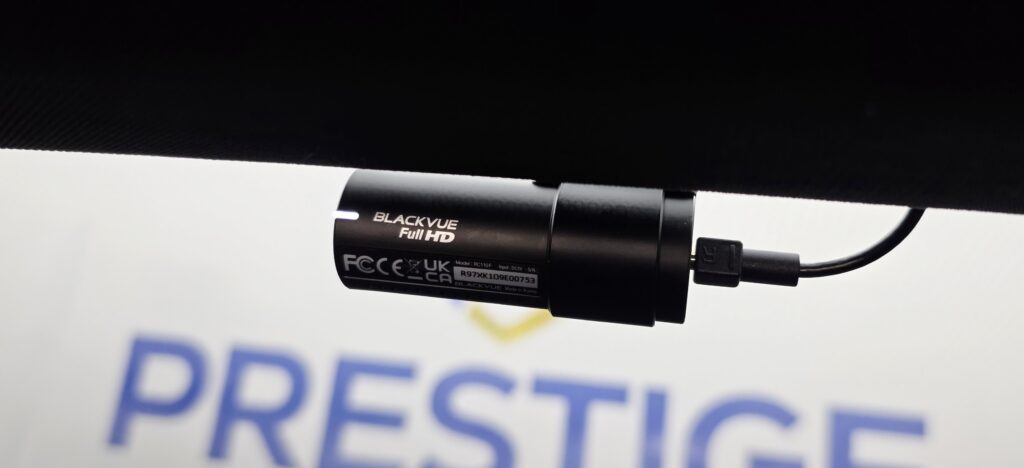
Not if it is wired properly. A dash cam draws very little while you are driving, and the whole question is about what happens when the engine is off and parking mode is running. Hardwiring is what makes parking mode possible, and a proper install stops drawing power before your battery reaches a level that would leave you stranded. This guide covers what parking mode actually is, what genuinely decides whether you have a problem, why the accessory socket is the wrong answer, and what to say if your battery is already tired.
Dash Cam Footage in Queensland: What Insurers and Police Accept

Dash cam footage is generally accepted by insurers and can be admissible in court in Queensland, but that acceptance is not automatic. It depends on the footage being relevant, lawfully obtained and clearly untampered with, and the most common way people damage their own case is by helpfully editing the clip before handing it over. This guide covers what insurers actually do with footage, the four things that get it rejected, why audio is the part people forget, the seven day window on traffic camera footage, and what to do in the first hour.
Ceramic Coating for Motorcycles: Tank, Chrome and Everything Else

A bike is not one surface, it is five or six, and that is what makes coating a motorcycle different from coating a car. Painted tank and guards, chrome, powder coated frame, polished alloy, leather and exhaust all want something different, and a product that is perfect on the tank is the wrong answer elsewhere. This guide covers what a coating changes on each surface, why chrome is where most of the value sits, why exhaust and headers are excluded, and why a small bike takes longer to do properly than you would expect.
Jet Ski Ceramic Coating: What It Helps and What It Does Not

A jet ski lives harder than almost anything else we coat. Launched and retrieved constantly, sat on a trailer in full sun between rides, salt on every surface, and the parts you grab and stand on taking UV all day. Everything that dulls a boat happens to a ski faster and on a smaller surface. This guide covers why skis dull quicker than hulls, why trailer rash is a separate problem a coating will not touch, what to expect from a coating on a ski, and why the gelcoat on a ski gives you less room to work with.
Why Boats Go Chalky, and How Much Comes Back

A chalky hull is not dirty and it is not worn out, it is oxidised. UV has broken down the resin at the very surface of the gelcoat until it turns to powder that scatters light instead of reflecting it. Most of it comes back, because the oxidation is usually shallow and there is sound gelcoat underneath. This guide covers how to tell how far gone a hull is with a dry hand, what cutting back actually involves, the limit that nobody mentions on an old hard-worked boat, and what it takes to make the result stay.
Boat Ceramic Coating: What It Does for Gelcoat

Boats are finished in gelcoat, not automotive clear coat, and gelcoat fails differently. It does not swirl, it goes chalky, oxidising from the surface down under constant UV and salt until a hull that was deep and glossy turns dull and porous. A ceramic coating takes that exposure instead, and makes salt, grime and black streaks release with a rinse rather than a scrub. This guide covers what a coating changes on a hull, why it is a topsides product and never a substitute for antifouling, why a chalky hull has to be cut back before anything goes on, and what it is like to own a coated boat.
How Does Ceramic Coating Work on Cars?

A ceramic coating is a liquid built around silicon dioxide that cures into a hard, transparent film bonded to your clear coat, a few microns thick. The key word is sacrificial: it is not making your paint tougher, it is wearing out in front of it. That also explains the thing owners most often get wrong, which is that water beading is not a measure of protection. Beading reflects the outermost surface and fades years before the UV and chemical resistance does. This guide covers how the bond forms, how it differs from wax and sealant, and what wears it out.
Why Paint Correction Matters Before Ceramic Coating

A ceramic coating is optically clear and fills nothing, so every swirl mark and etch mark on the paint when it cures stays visible underneath for years. That is the obvious reason correction comes first. The less obvious one is that clear coat is finite: every correction consumes a little of it and it does not grow back, which makes it a limited resource rather than something you can repeat indefinitely. This guide explains what each stage of correction removes and what it costs you, why resprayed panels are the real hazard, and the fingernail test for which scratches never come out.
Window Tinting and Skin Cancer Risk for Australian Drivers

Your windscreen already protects you, but your side windows largely do not. Laminated windscreen glass blocks around 98 per cent of UVA, while the tempered glass in your side and rear windows can transmit as much as 79 per cent of it. Because that same glass stops most of the UVB that causes sunburn, exposure accumulates without the usual warning. Cancer Council Australia states that clear or tinted film reduces total UV penetrating tempered glass by over 99 per cent, and clear film protects as effectively as dark film, so the legal limits are no obstacle.
How to Look After Your Window Tint and Make It Last

Tint needs very little care, but the first few days and the cleaner you reach for are where most of it gets damaged. Keep the windows up while the adhesive cures, and never use anything containing ammonia, because it attacks both the adhesive and the film. This guide covers what to expect during curing, how to clean the inside glass without lifting the edges, what to watch for around the perimeter, how to handle rear demister lines, and how to tell normal curing haze apart from a film that is actually failing.