

Ceramic coating gets most of the attention in conversations about paint protection. The gloss, the hydrophobic properties, the long-term durability. What gets less attention is the step that determines whether all of that actually delivers the result most people are expecting.
Paint correction happens before the coating goes on. It is not an optional add-on or an upsell. It is the preparation stage that makes the difference between a coating that looks exceptional and one that locks in problems permanently.
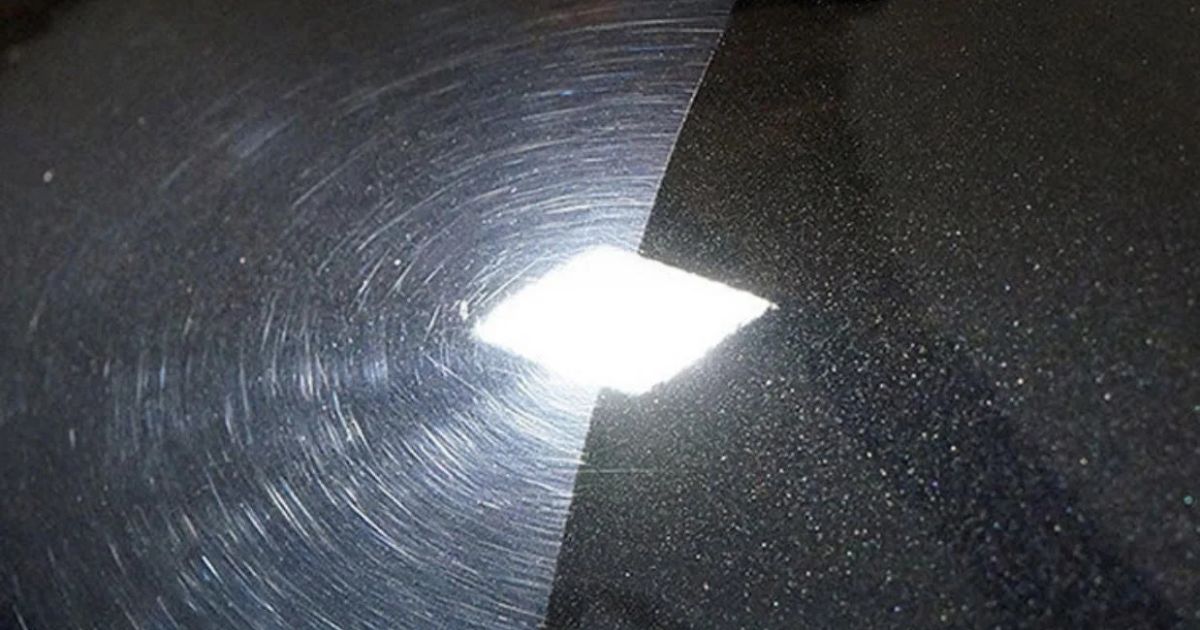
The clear coat on your vehicle is the outermost layer of the paint system. It is transparent, glossy, and sits over the colour coat below. All of the visual quality of your paint comes through this layer. Swirl marks, fine scratches, water spots, oxidation, and etching from bird droppings or bug splatter all live in the clear coat.
These defects do not disappear over time. They accumulate. Regular washing, even when done carefully, introduces new swirl marks through contact with the surface. Parking under trees, driving through insects, and exposure to the elements all contribute.
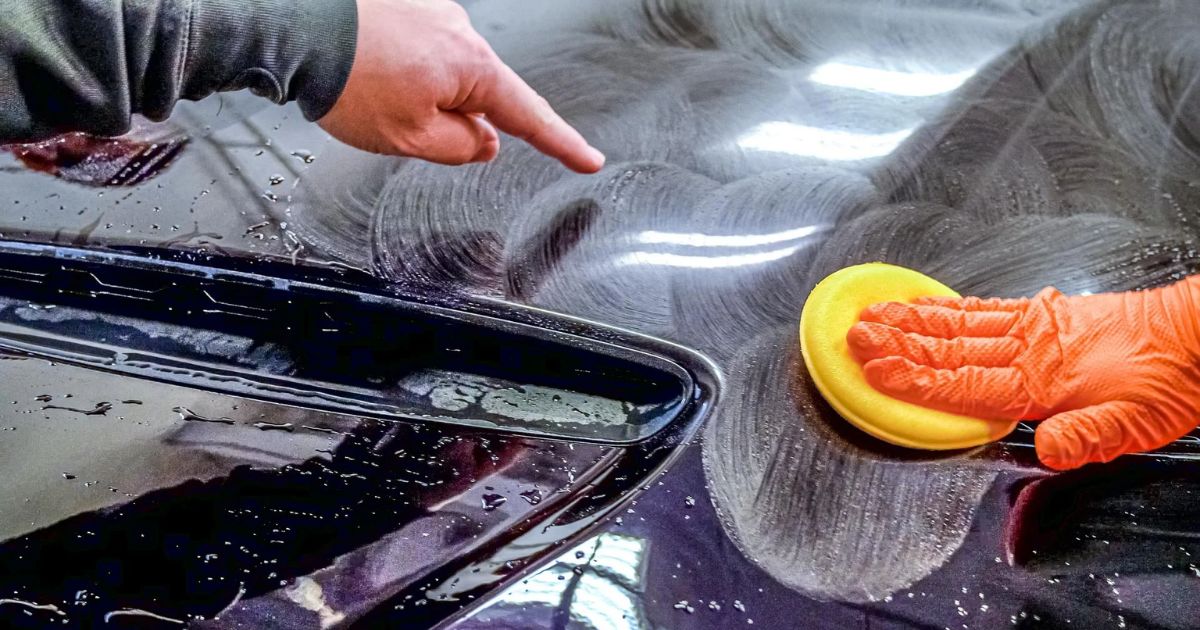
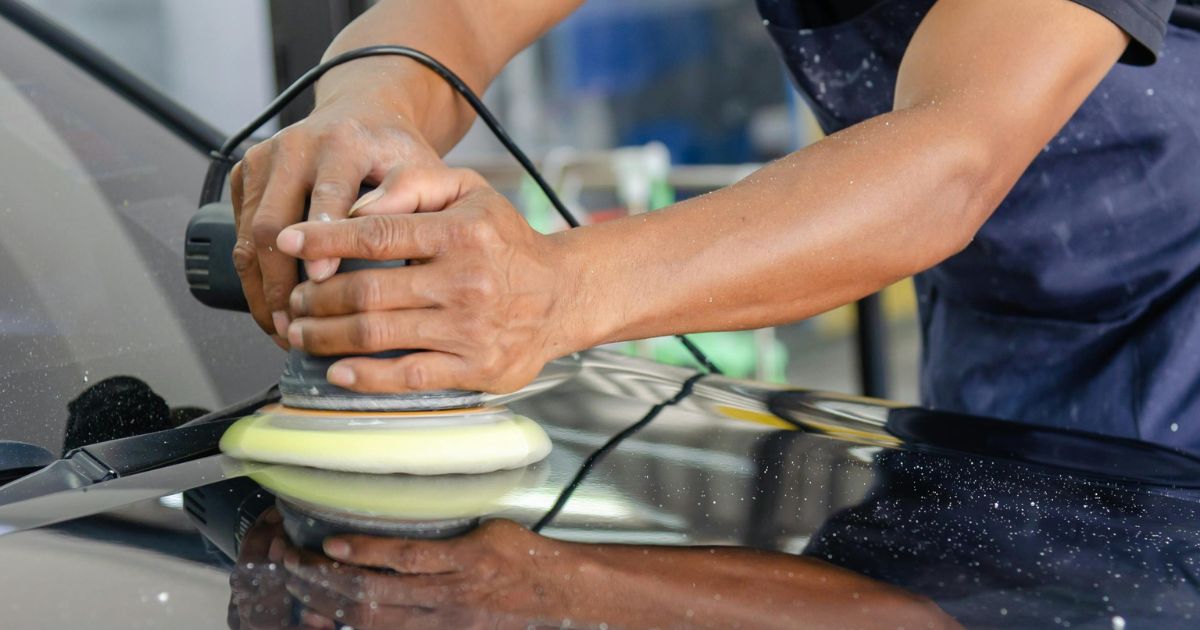
Paint correction uses machine polishers and abrasive compounds to level the clear coat. The process removes a controlled amount of the clear coat surface to eliminate or significantly reduce the depth of the defects sitting within it. Done correctly, the result is a surface that reflects light evenly, looks deep and clear, and is genuinely ready for protection.
Depending on the condition of the paint, correction might involve one, two, or three stages. Light correction addresses minor swirl marks and surface haze. More intensive multi-stage correction tackles deeper scratches, heavier oxidation, and more significant surface damage. The number of stages and the products used at each stage depend on what the paint needs to reach an acceptable standard before coating.
Ceramic coating chemically bonds with the clear coat surface and cures hard over time. Once it cures, it locks in whatever condition the paint surface was in at the moment of application. There is no going back without removing the coating entirely.
Every swirl mark present when the coating goes on stays there for the life of the coating. Every water spot, every area of oxidation, every fine scratch sits sealed beneath a layer of protection that preserves it. The coating enhances and amplifies whatever is on the surface. On corrected paint, that means deep gloss and clarity. On uncorrected paint, it means the imperfections become more visible, not less.
This is the most important thing to understand about ceramic coating. It does not fix defects. It does not hide them either. It seals them in and holds them exactly where they are.
Some people notice this immediately after coating is applied. Others see it more clearly when sunlight hits the panel at the right angle. Either way, the only remedy at that point is removing the coating, which requires an abrasive process, correcting the paint underneath, and reapplying the coating from the start.
Doing the correction before coating is far less expensive and far less disruptive than dealing with the consequences of skipping it.
Paint correction is not just polishing. It is a multi-stage preparation process that takes the paint from its current condition to ready-to-coat.
The process starts with a thorough decontamination wash. This removes bonded contamination that regular washing leaves behind. Iron fallout from brake dust and rail dust bonds to paint surfaces and embeds into the clear coat. Tar deposits from road surfaces do the same. Decontamination products and clay treatment lift these contaminants from the surface before any polishing begins.
After decontamination, the technician inspects the paint under studio lighting to assess the level of correction needed. This step requires the right lighting. Defects in clear coat are only fully visible under correct illumination at varying angles. Natural light outdoors and poor workshop lighting both mask problems that proper studio lighting reveals clearly.
Polishing follows, using the appropriate combination of machine, pad, and compound for the paint condition and the level of correction required. Softer paints need different techniques and products than harder paints. Working through the stages progressively refines the surface without removing more clear coat than necessary.
After polishing, the surface gets a final wipe-down with an IPA solution. This removes polishing oils and any remaining residue. The coating needs to bond directly to the clear coat, and any contamination or oils on the surface at application time will interfere with that bond and reduce the durability of the coating.
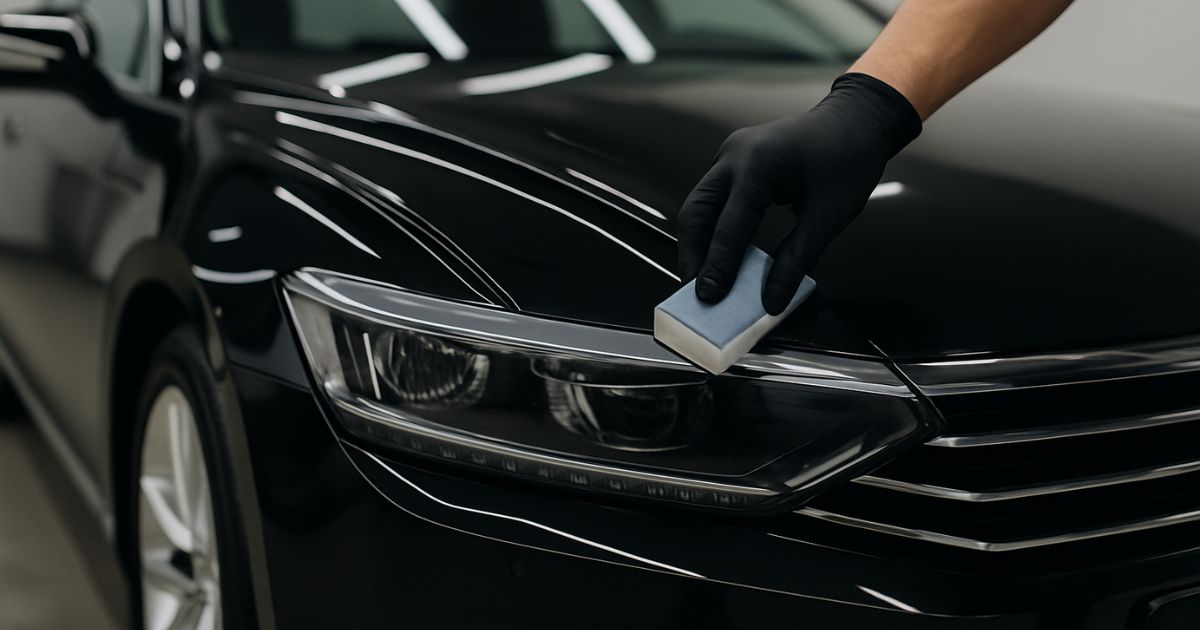
The difference between corrected and uncorrected paint under ceramic coating is visible. Corrected paint reflects light with clarity and depth. The coating enhances what is already a clean, smooth surface. The result is the finish most people are picturing when they invest in ceramic coating.
Uncorrected paint under ceramic coating shows the defects more clearly in direct light. The swirl marks scatter light rather than reflecting it cleanly. The finish looks dull or hazy in certain lighting conditions despite the coating being present.
Paint correction before coating is not about achieving perfection for its own sake. It is about ensuring the investment in ceramic coating actually delivers what the owner expects to see.
Not every vehicle needs the same level of correction before coating. A new car with a few months of ownership and careful washing habits needs minimal work. A used vehicle that has spent years going through automatic car washes and receiving infrequent care may need significant multi-stage correction before it reaches a coatable standard.
Part of the value of a professional inspection before any paint protection work is understanding what the paint actually needs. An honest assessment of the paint condition helps set realistic expectations about what the finished result will look like and what the preparation process involves.
For some vehicles, a single light polish is sufficient. For others, correcting the paint properly takes a full day of work before the coating goes on the following day. The time and cost of correction reflects the condition of the paint and the level of improvement the owner is looking for.
A ceramic coated vehicle with corrected paint holds its condition better over time. The surface underneath the coating is smooth and even, which means the coating performs consistently across the entire panel. Washing is easier. The finish stays sharper between washes. The resale value of a vehicle that looks genuinely well-maintained is higher than one where the paint shows years of neglect despite having a coating applied at some point.
Paint correction before coating is the step that makes the protection worth having. Without it, the coating protects whatever is on the surface. With it, the coating protects a surface worth protecting.
Paint correction removes swirl marks, fine scratches, water spots, oxidation, and surface defects from the clear coat before ceramic coating seals the surface permanently. Ceramic coating does not fix defects. It locks them in for the life of the product. Skipping or rushing the correction stage results in a coating applied over an imperfect surface, producing a finish that falls well short of what most owners are expecting. Proper correction involves decontamination, multi-stage polishing, and a final surface wipe-down to ensure the coating bonds correctly. The level of correction needed depends on the paint history of the vehicle, and an honest inspection before work begins sets realistic expectations for the finished result.
At Prestige Protection we offer superior product and premium service for all car protection services. Save up to 50% off dealership prices when you choose us.
© 2026 Prestige Protection. Web Design