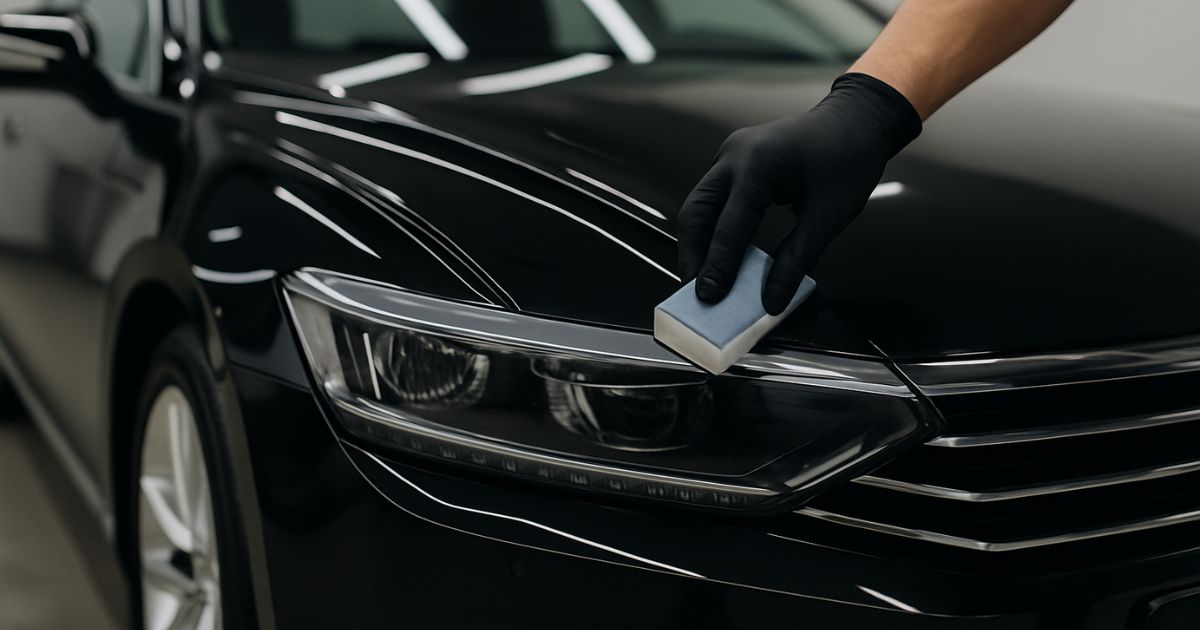


DIY ceramic coating kits are easy to find and simple to purchase. The marketing makes the process sound straightforward. Buy the kit, follow the steps, and protect your paint for a fraction of the professional cost. It is an appealing pitch, especially for car owners who enjoy doing their own detailing.
The reality is more complicated. Ceramic coating is a technically demanding product. The outcome depends heavily on the product itself, the preparation of the surface, and the conditions during application. Each of these factors varies significantly between a DIY approach and a professional service.
Not all ceramic coatings are the same product. DIY kits sold through retail channels use a formulation designed for ease of application by non-professionals. The concentration of active SiO2 and other ceramic compounds is lower than in professional-grade products. This makes the product more forgiving to apply, but it also means the coating that forms on the paint surface is thinner, softer, and less durable.
Professional-grade coatings carry higher concentrations of active ingredients. They form a harder, thicker layer that bonds more strongly with the clear coat. This difference in chemistry directly affects how long the coating lasts and how well it performs under sustained exposure to UV, heat, contaminants, and regular washing.
A DIY coating applied perfectly to a perfectly prepared surface will still underperform a professional-grade product applied by a trained technician. The products are not the same, and the gap in durability is meaningful over the years the coating is expected to last.
Ceramic coating bonds to the surface it is applied to. Whatever condition the paint is in at the time of application gets sealed under the coating. This makes preparation the single most important step in the entire process.
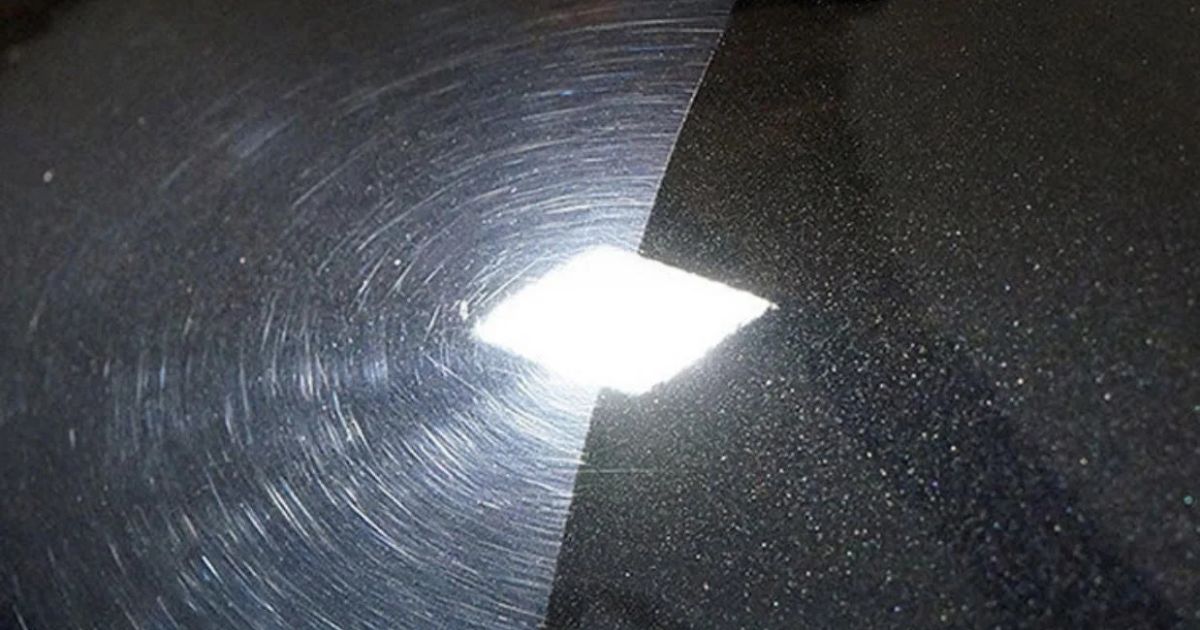
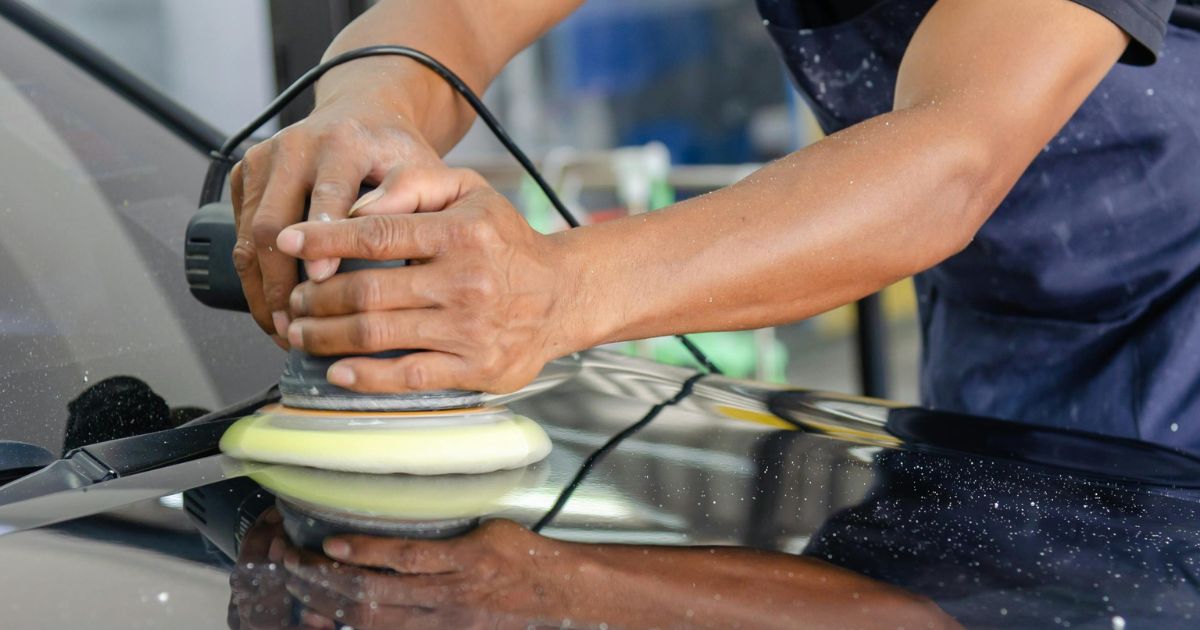
Professional preparation starts with a thorough decontamination wash to remove bonded contamination from the paint surface. This includes iron fallout, tar, and industrial deposits that regular washing does not remove. After decontamination, paint correction addresses any swirl marks, fine scratches, and surface imperfections. The paint then gets a final wipe-down with an IPA solution to remove any remaining oils or residue before the coating goes on.
This multi-stage process takes time and requires specific products and equipment at each stage. It also requires studio lighting to see the paint clearly and assess what needs correcting.
Most DIY applications skip or significantly shorten the preparation stage. A standard wash and a quick wipe-down leaves contamination and surface defects in place. The coating bonds to those imperfections and seals them permanently. High spots, streaking, and a finish that looks uneven up close are common results when preparation falls short.
Fixing a poorly prepared coating after the fact requires removing the coating entirely, correcting the paint, and starting again. The cost of that correction often exceeds what professional application would have cost originally.
Ceramic coating is sensitive to temperature, humidity, and airborne contamination during application and curing. Applying it in a home garage or driveway exposes the process to all three variables without any means of controlling them.
High ambient temperatures cause the coating to flash cure before the technician can properly level it. This creates high spots and streaking that are difficult to remove once the product sets. High humidity introduces moisture, which interferes with bonding and can cause the coating to cure unevenly or fail to achieve full hardness.
Dust and airborne particles settle onto the wet coating during application and get locked in as it cures. The result is a surface that looks sharp from a distance but shows visible contamination up close under correct lighting.
A professional studio controls temperature and humidity to keep both within the range the product requires. The enclosed environment blocks airborne contamination. Studio lighting lets the technician see the surface clearly at every angle during application, catching issues before they cure into the finish.
These are not minor advantages. They are the conditions that make the difference between a coating that performs for several years and one that shows problems within months.
Ceramic coating application requires a specific technique. The product flashes at different speeds depending on temperature and humidity. The technician needs to identify the correct flash point and begin levelling the coating at exactly the right moment. Too early and the product smears. Too late and it has already started to cure, making levelling impossible without introducing more product.
Getting this right consistently across an entire vehicle takes practice. Professional technicians develop this skill through repetition. First-time DIY applicators are learning it on their own car with no margin for error.
Common mistakes include uneven coverage, high spots from incorrect levelling, streaking from product applied in direct sunlight, and missed sections from inadequate lighting. Each of these issues requires correction that is more difficult and expensive than the original application.
The learning curve is real, and it plays out on the vehicle during the first attempt.
Professional ceramic coating applications from accredited installers carry manufacturer-backed warranties. These warranties exist because the product manufacturer is confident the preparation and application process meets the standard required for the coating to perform as specified.
DIY kits carry no such coverage. If the coating underperforms, fails prematurely, or causes surface issues, the owner carries all of the cost and consequence. The lack of warranty on DIY products reflects the fact that the application conditions and process cannot be controlled or verified.
A warranty from a professional installer is not just paperwork. It reflects accountability for the outcome and confidence in the standard of work delivered.
DIY kits look cheaper at the point of purchase. The full cost comparison looks different when all factors are included.
The DIY kit cost covers only the product. Decontamination chemicals, paint correction compounds, polishing equipment, IPA wipe-down products, and applicator materials all add to the total. The time investment is significant, typically a full day or more for a thorough job. If mistakes require correction, that adds further cost and time.
Professional application covers the full process, including preparation, application, and curing, using products and equipment appropriate to each stage. The result lasts longer and performs better. Calculated across the lifespan of the coating, the cost per year of protection from a professional job often compares favourably to a DIY approach that needs repeating sooner.
DIY ceramic coating kits use lower-concentration products that are less durable than professional-grade alternatives. Most DIY applications fall short on surface preparation, which is the most critical factor in how long and how well the coating performs. Uncontrolled application environments introduce temperature, humidity, and contamination variables that directly affect the quality of the finished result. Professional application delivers a harder, longer-lasting coating on a properly prepared surface in controlled conditions, backed by a manufacturer warranty. For most car owners, the difference in durability and outcome justifies the difference in cost.
At Prestige Protection we offer superior product and premium service for all car protection services. Save up to 50% off dealership prices when you choose us.
© 2026 Prestige Protection. Web Design