
Dash cam footage is generally accepted by insurers and can be admissible in court in Queensland, but that acceptance is not automatic. It depends on the footage being relevant, obtained lawfully, and clearly untampered with. The single most common way people damage their own case is by editing the file before they hand it over.
This matters more here than people assume, because Queensland runs a compulsory third party scheme where fault has to be established, and clear video can shorten a liability dispute from months to weeks.
Insurers treat footage as evidence alongside driver statements, witness accounts and police reports rather than as something that decides the matter on its own. Where it earns its value is in disputed liability, hit and run, and the he-said-she-said situations that otherwise take a long time to resolve. When fault is obvious from the video, the argument tends to stop.
That speed has a practical consequence beyond convenience. Under the CTP scheme, once an insurer accepts the other party was at fault, reasonable treatment and rehabilitation costs can start being funded. Establishing fault quickly is not just about the car.
| Problem | Why it matters | What to do instead |
|---|---|---|
| Edited or trimmed clips | Raises tampering questions and undermines credibility | Hand over the original file, untouched |
| Missing metadata | Time, date and sequence become arguable | Keep the original file rather than a re-encoded copy |
| Only the moment of impact | Removes the context that establishes fault | Provide the lead-up and the aftermath as well |
| Footage recorded unlawfully | Can affect admissibility, particularly with audio | Understand what your camera records and where |
The instinct to helpfully cut the clip down to the ten seconds that matter is completely understandable and completely counterproductive. Give them everything and let them find the ten seconds.
Video recorded on a public road is generally straightforward. Audio is a different question, because recording conversations brings surveillance and privacy considerations into play that video alone does not. Most dash cams record audio by default, and most owners have never thought about it.
It is worth knowing your camera has the setting, knowing whether it is on, and making a deliberate decision rather than an accidental one. If you are unsure how it applies to your situation, that is a question for a lawyer rather than for us.
Your own footage is not the only video of the incident. Transport and Main Roads operates traffic cameras across major Queensland roads and motorways, and that footage is typically retained for around seven days before it is overwritten.
If an incident happened somewhere covered by those cameras, requesting it is time critical and most people miss the window entirely because they are dealing with panel beaters and insurers in the first week. If it might help your case, request it early rather than when the claim gets difficult.
Stop the recording or lock the file. Every dash cam loops, and a camera left running will eventually overwrite the very footage you need. Most cameras have an emergency lock button and most also lock automatically on impact, but do not rely on it, and do not just leave the card in the camera and keep driving for a fortnight.
Copy the original file off the card onto something else the same day, keep it unmodified, and note the time and location. If you have a cloud-connected camera, confirm the clip actually uploaded rather than assuming.
It records what is in front of the lens, which is less than people expect. A forward camera misses the tap from behind and the vehicle that appears from the side at the last moment, which is most of the argument for running front and rear rather than front only. Wide angle lenses also distort distance and speed, which cuts both ways.
It can also work against you. If the footage shows you doing something you would rather it did not, that is now part of the record. That is not a reason to avoid a camera, but it is a reason to understand it is a witness rather than an advocate.
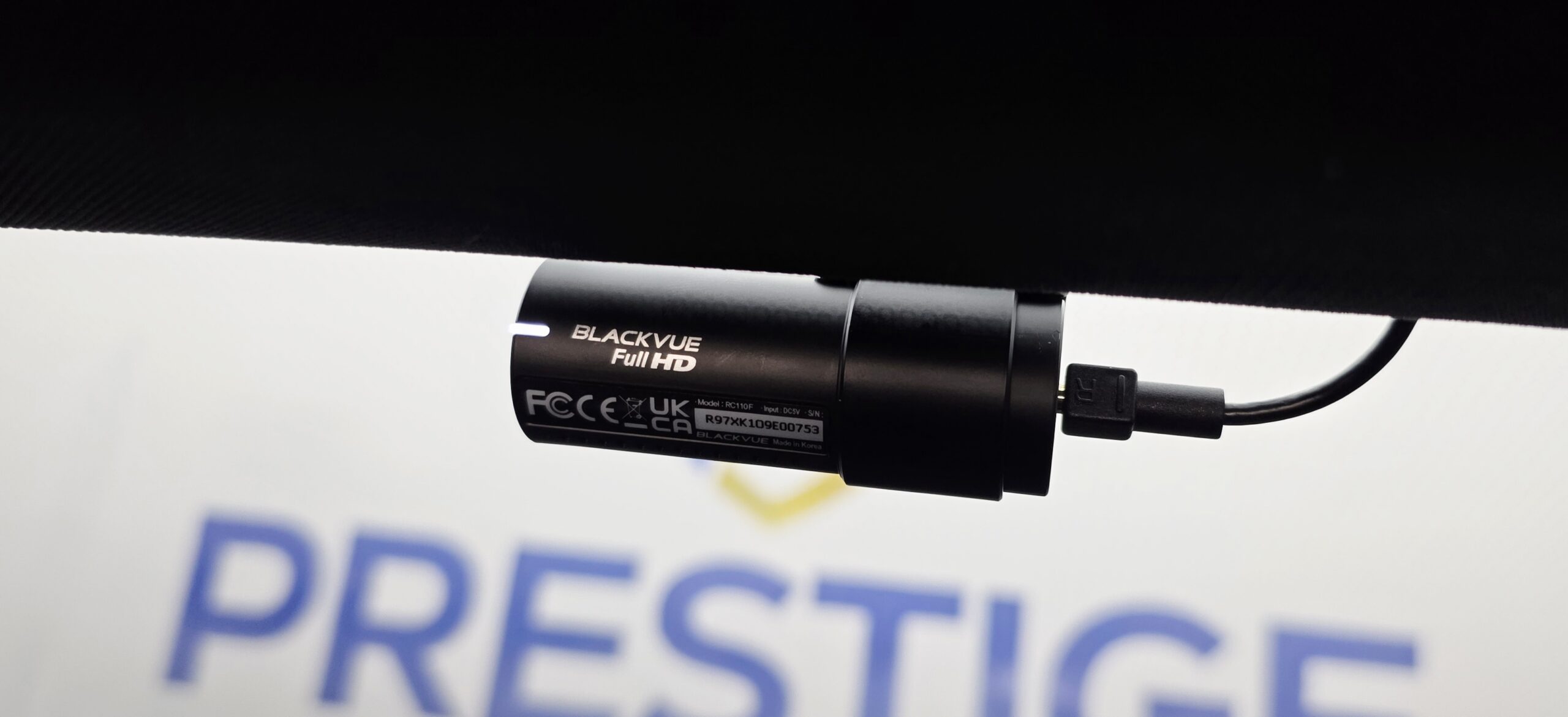
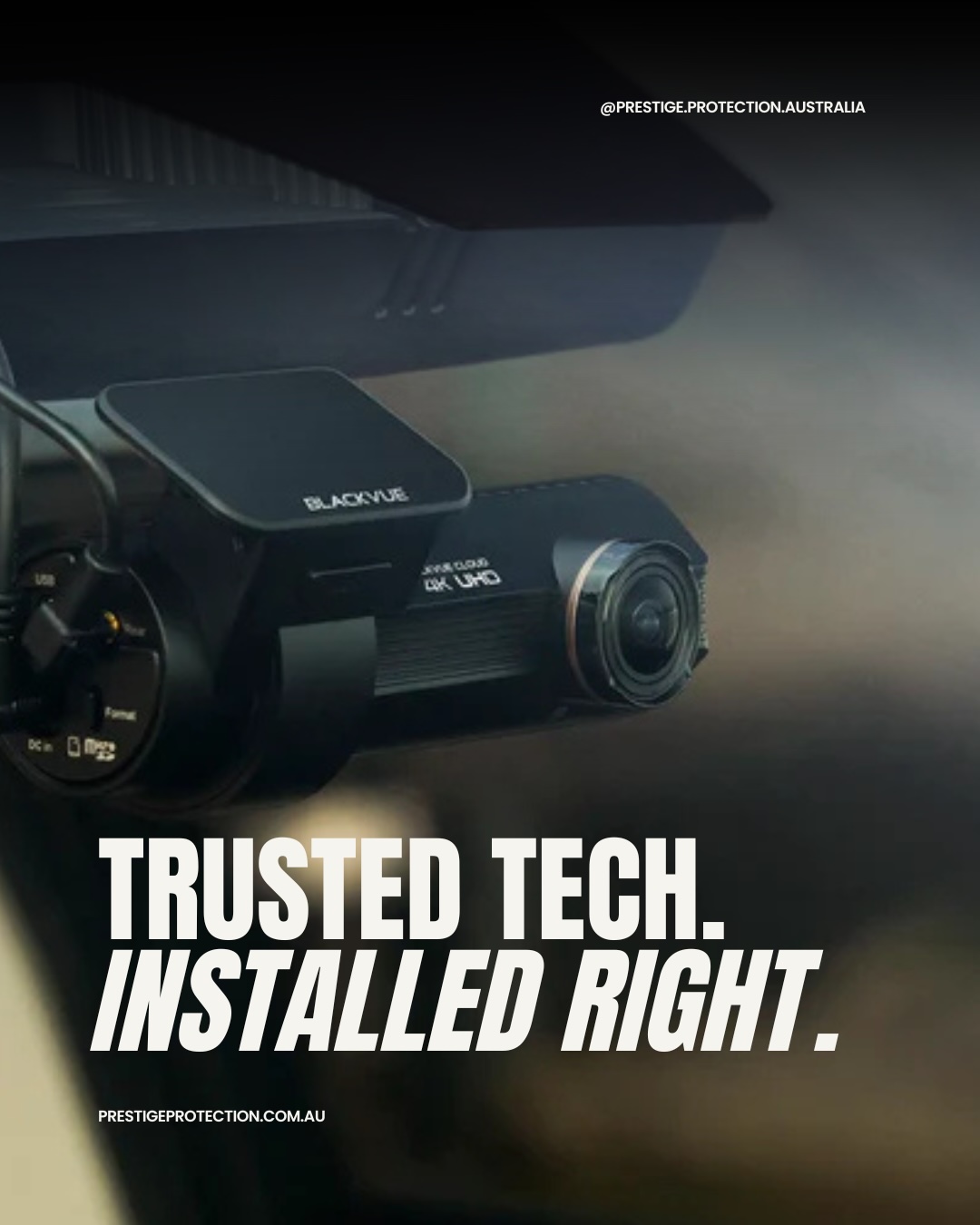
We are an Authorised BlackVue Retailer and Installer, and configuration matters as much as the camera: how it is wired, whether parking mode is running, and how much footage the card holds before it loops. The options are on our dash cam installation page, or get in touch and we will work through what suits how you drive.
This article is general information about how footage is treated, not legal advice. If you are dealing with an actual claim or a dispute, talk to a lawyer.
It can be. It generally needs to be relevant to the incident, lawfully obtained, and clearly untampered with, with a clear chain of custody from the camera to whoever you hand it to. Recording video on public roads is generally lawful. Whether any particular footage is accepted is decided case by case.
No. Editing is the fastest way to raise questions about tampering and weaken your own evidence. Provide the original file with its metadata intact, including the lead-up and the aftermath rather than only the impact.
Transport and Main Roads footage is typically retained for about seven days, so requests are time critical. If footage from a major road or motorway might matter to your claim, ask for it in the first few days rather than weeks later.
Most do by default. Audio brings privacy and surveillance considerations that video on a public road does not, so it is worth knowing whether yours is on and deciding deliberately. For how that applies to your circumstances, ask a lawyer.
Lock the file or stop the recording so the loop does not overwrite it, then copy the original off the card the same day and keep it unmodified. Note the time and place, and if your camera uploads to the cloud, confirm the clip actually made it.
Insurers treat footage as useful evidence rather than as an automatic discount, and whether it affects your premium is a question for your insurer. The practical value is in resolving disputed liability faster, and in not carrying the cost of an excess for something that was not your fault.
At Prestige Protection we offer superior product and premium service for all car protection services. Save up to 50% off dealership prices when you choose us.