
2K or 4K, Front or Rear, and How Much Footage a Card Holds
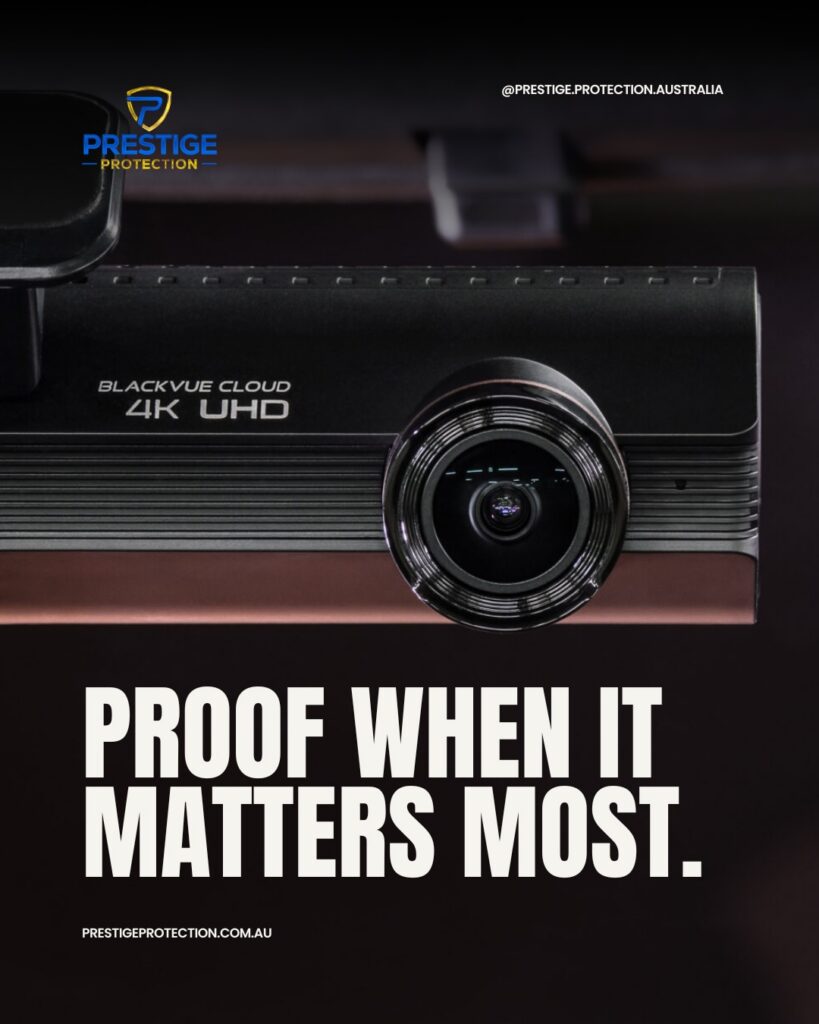
Three decisions, in this order: front and rear or front only, 4K or 2K, and how big a card to put in it. Front and rear matters most, because a forward camera cannot see what hits you from behind. Resolution matters second and mainly at night. Card size matters least until the day you need footage from four days ago and find it has already looped. This guide covers what each choice actually buys, how much footage each card size holds, and what we would pick for most Gold Coast drivers.
Does a Dash Cam Drain Your Battery?
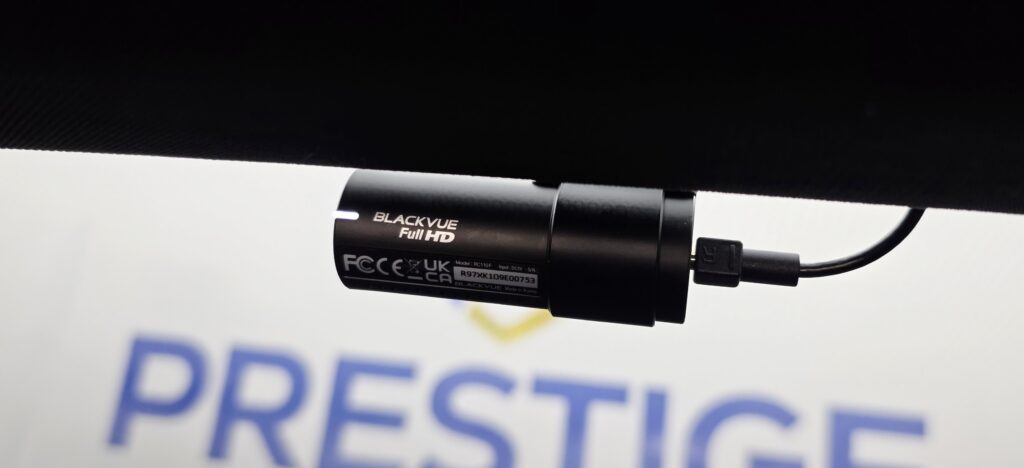
Not if it is wired properly. A dash cam draws very little while you are driving, and the whole question is about what happens when the engine is off and parking mode is running. Hardwiring is what makes parking mode possible, and a proper install stops drawing power before your battery reaches a level that would leave you stranded. This guide covers what parking mode actually is, what genuinely decides whether you have a problem, why the accessory socket is the wrong answer, and what to say if your battery is already tired.
Dash Cam Footage in Queensland: What Insurers and Police Accept
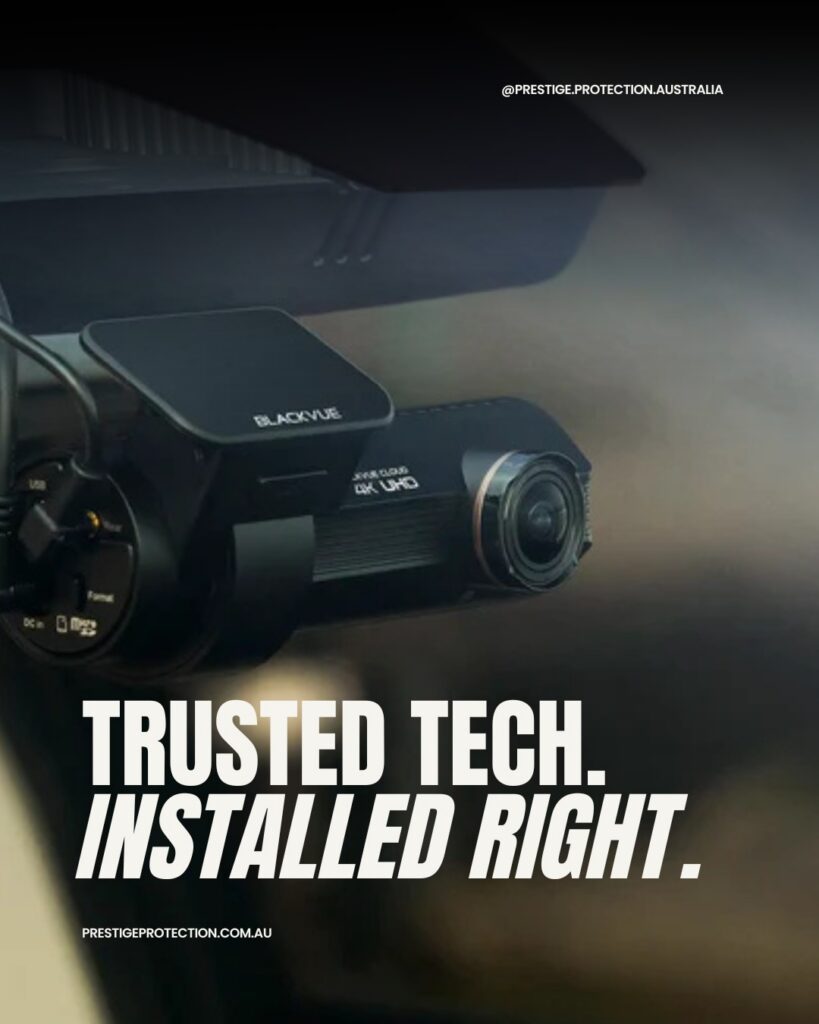
Dash cam footage is generally accepted by insurers and can be admissible in court in Queensland, but that acceptance is not automatic. It depends on the footage being relevant, lawfully obtained and clearly untampered with, and the most common way people damage their own case is by helpfully editing the clip before handing it over. This guide covers what insurers actually do with footage, the four things that get it rejected, why audio is the part people forget, the seven day window on traffic camera footage, and what to do in the first hour.