
Protecting a Ute or 4WD: What Is Worth It and What Is Not
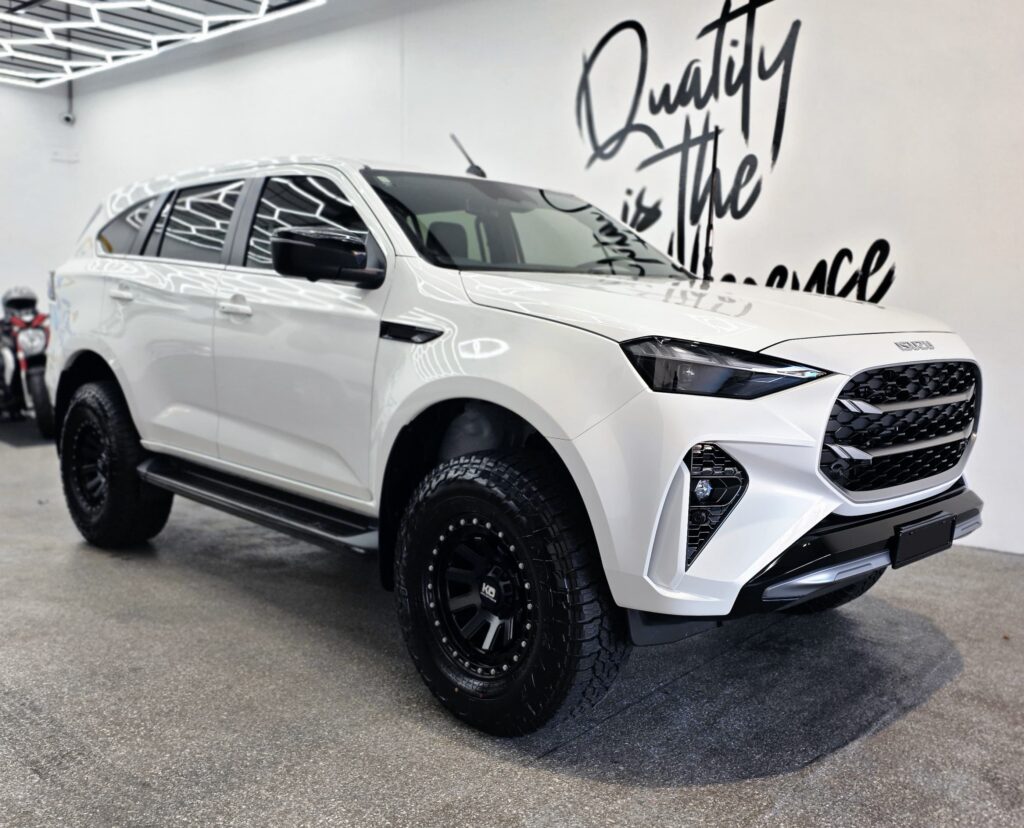
A dual cab does a harder job than almost anything on the road here, and most are protected less than the family car beside them in the driveway. They live outside, carry things that scratch, visit beaches and boat ramps, and are often worth more than the car they replaced. The protection question is different too, because a ute has surfaces a sedan does not. This guide covers why the tub is not a paint problem, why the tow bar and rear underbody take the worst of it, and what is genuinely worth doing.
2K or 4K, Front or Rear, and How Much Footage a Card Holds
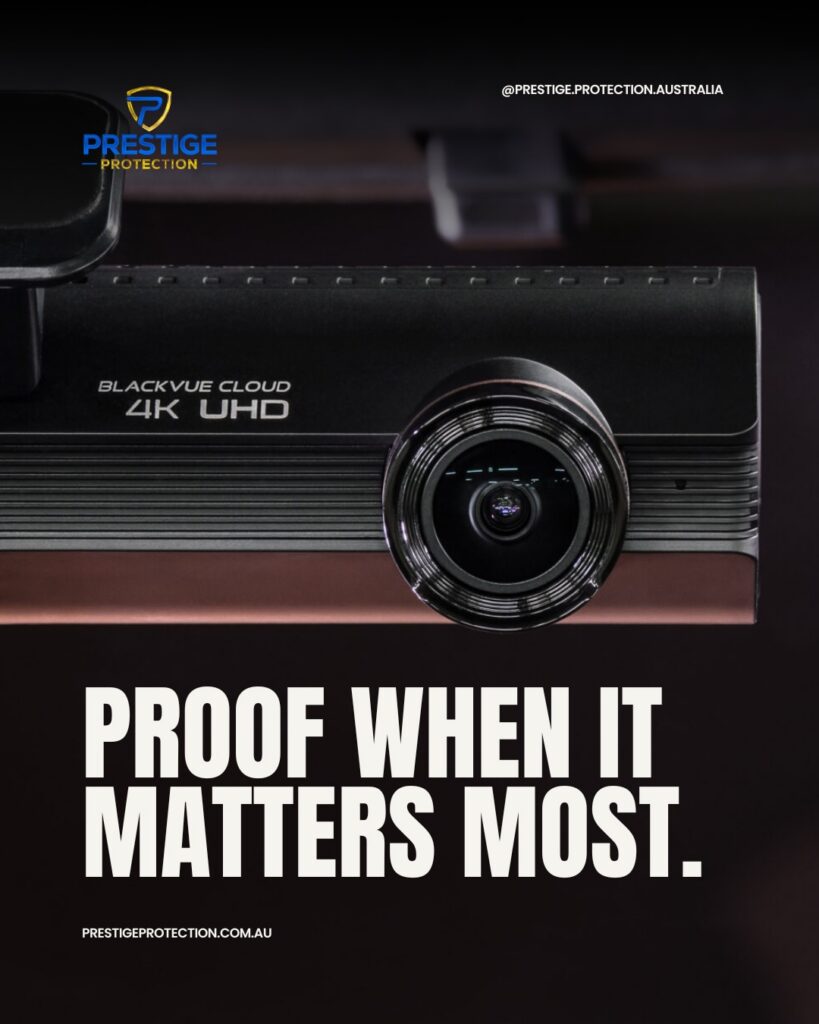
Three decisions, in this order: front and rear or front only, 4K or 2K, and how big a card to put in it. Front and rear matters most, because a forward camera cannot see what hits you from behind. Resolution matters second and mainly at night. Card size matters least until the day you need footage from four days ago and find it has already looped. This guide covers what each choice actually buys, how much footage each card size holds, and what we would pick for most Gold Coast drivers.
Dash Cam Footage in Queensland: What Insurers and Police Accept
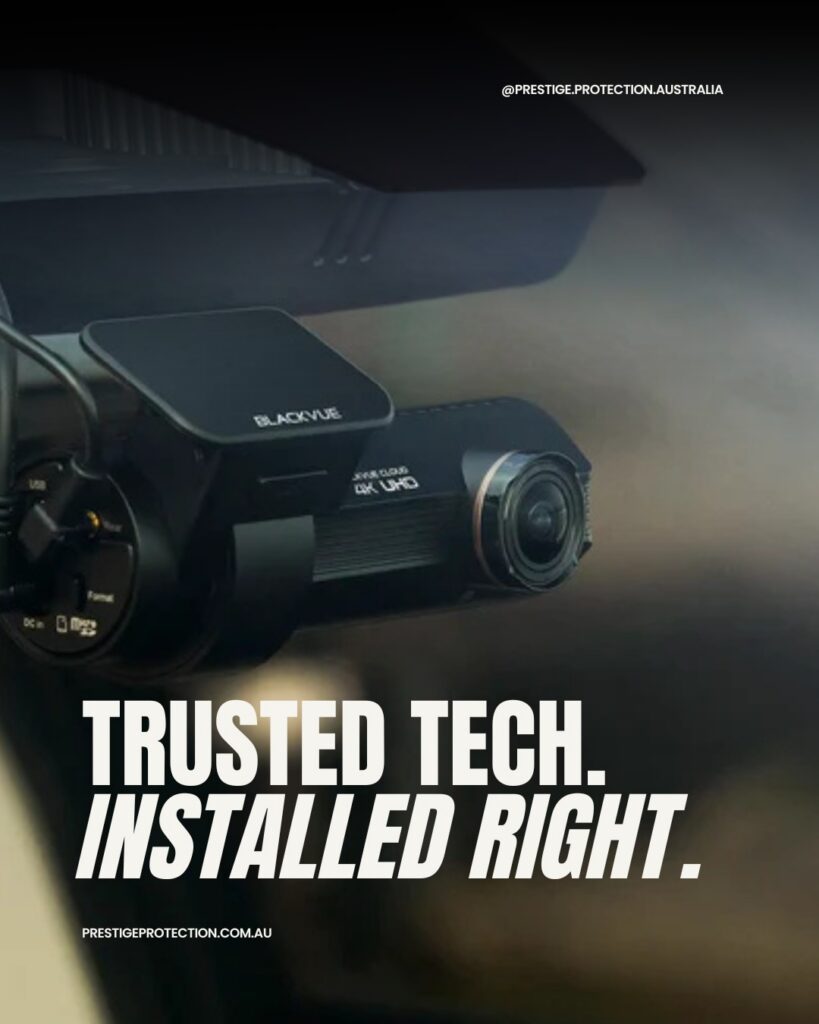
Dash cam footage is generally accepted by insurers and can be admissible in court in Queensland, but that acceptance is not automatic. It depends on the footage being relevant, lawfully obtained and clearly untampered with, and the most common way people damage their own case is by helpfully editing the clip before handing it over. This guide covers what insurers actually do with footage, the four things that get it rejected, why audio is the part people forget, the seven day window on traffic camera footage, and what to do in the first hour.
Are Paint Protection Packages Worth It?

A paint protection package is worth the money when someone prepares the paint properly first, and close to worthless when they do not. DIY kits run $40 to $150 and last three to six months. Dealership add-ons run $800 to $1,500 and usually include no correction at all. Professional coatings here are $995, $1,395 or $1,795 with 8, 9 and 10 year warranties, and correction is quoted separately from $100 an hour. This guide breaks down every tier, explains what a 9H hardness rating actually measures, and is straight about the one thing no coating at any price will stop.
Studio vs Mobile Car Protection and Why the Environment Matters

Mobile suits work that can be redone, and a studio suits work that cannot. Washing, decontamination, spray top-ups and interior detailing are perfectly good mobile jobs. Machine correction and ceramic coating depend on controlling dust, light, temperature and cure time, and a driveway controls none of them. The failures are permanent rather than cosmetic: a coating that flashes off on a hot panel leaves high spots that have to be polished out, and anything trapped under a clear layer stays there. This guide covers what goes wrong outdoors and the questions to ask before booking anyone.
Just Bought a New Car? Here’s What to Do First

Decline the paint protection add-on at the finance desk, inspect the paint in daylight before you sign, avoid automatic washes, and book protection within the first month. A new car is the cheapest car you will ever protect, because the expensive part of the job is correcting damage that has already happened and a new car has almost none. New does not mean flawless though, since the pre-delivery wash is a common source of fine swirl marks. This guide gives you the inspection method, a thirty day timeline, and what to spend on first when the budget is limited.
Does Your Car Need Ceramic Coating or Paint Protection Film?

Ceramic coating and paint protection film solve different problems, so choosing between them is usually the wrong question. A coating handles UV, chemical etching, water spotting and the swirl marks that come from washing. Film is thick urethane that absorbs impact, and it is the only one of the two that stops a stone chip. This guide gives the honest case for film, the honest case against it, and where we land and why. We fit coatings, not film, and we will tell you when film is the better answer for your car.
What New Car Protection Packages Include and Why They Matter

Package is a word that hides a lot. Two quotes at the same price can contain very different amounts of work, and the difference is almost always preparation rather than products. This guide breaks a new car protection package into its line items and shows which ones get quietly skipped. The coating itself is $995, $1,395 or $1,795 depending on the product, carrying 8, 9 and 10 year warranties, with paint correction quoted separately from $100 for the first hour. You also get six questions that tell you what you are really buying before you accept a quote.
Should You Buy Ceramic Coating and Window Tint From a Car Dealership?

Usually not, and the reason is structural rather than dishonest. Paint protection is sold in the finance office because that is where margin is added, so the job is fast, uncorrected and quoted at $800 to $1,500. It is also rarely paid separately: rolled into the amount financed, a $1,200 sealant accrues interest across the whole loan term. The tint half is the sharper problem, since an unnamed film at an unspecified darkness can become a defect notice you pay to fix. This guide covers the warranty conditions to read, what to ask, and what to do if you have already signed.
Ceramic Coating Benefits, Cost and What to Realistically Expect

Ceramic coating on the Gold Coast starts at $995 for XPEL Fusion Plus V2 with an 8 year warranty, $1,395 for Kovalent Borophene with a 9 year warranty, and $1,795 for Kraken Graphene Titanium with a 10 year warranty. Paint correction is quoted separately from $100 for the first hour. What that money buys is UV resistance, chemical resistance and far easier washing. What it does not buy is protection from stone chips or dents. This guide sets the expectation honestly, with a year by year picture of how a coating ages and the ongoing cost most quotes leave out.