

Ceramic coating has rapidly become the go-to upgrade for car owners who want their vehicle to stand out and stay protected. It’s marketed as the ultimate solution, promising long-lasting shine, effortless cleaning, and superior protection. On the surface, it sounds like an easy yes.
The problem is, most of what people are sold is incomplete. The difference between a coating that looks incredible for years and one that disappoints within months isn’t the label on the bottle. It comes down to preparation, application, and a clear understanding of what ceramic coating is actually designed to do.
If you’re considering it, this is where you move past the hype and make a decision based on how it performs in the real world.
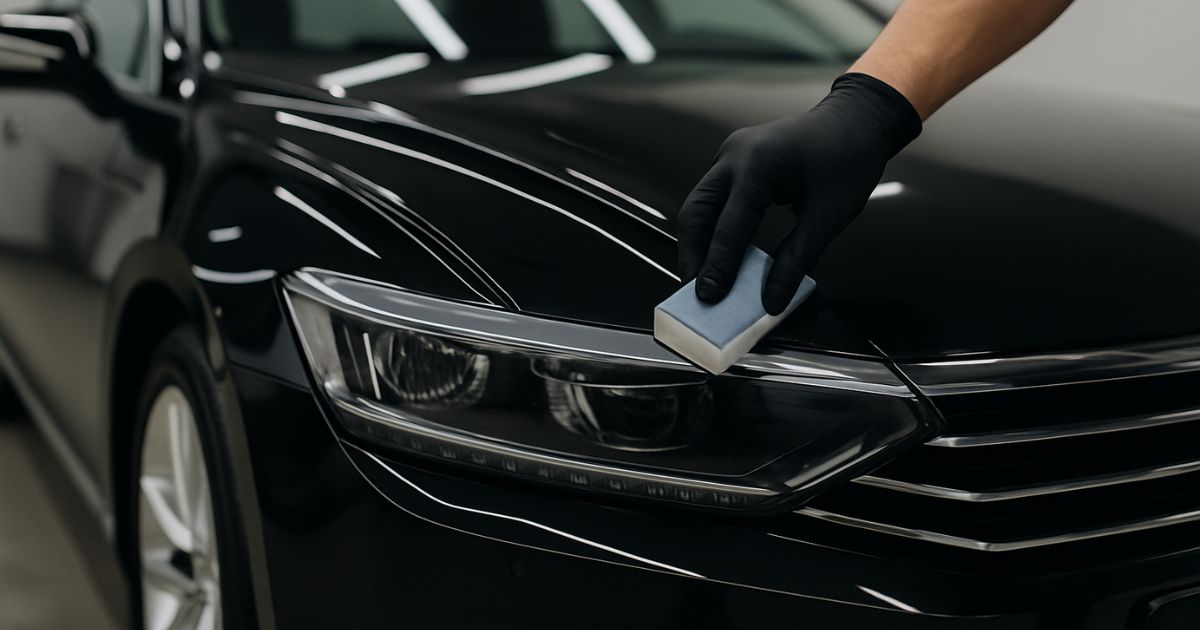
Ceramic coating is a liquid polymer that chemically bonds to your vehicle’s paint, forming a semi-permanent layer that becomes part of the surface itself. That bond is what separates it from traditional protection methods.
Where wax sits on top of the paint and wears away quickly, ceramic coating integrates with the surface. This changes how your car reacts to everything it’s exposed to, from water and dirt to sunlight and contaminants.
The result isn’t just protection. It’s a transformation in how your vehicle looks, feels, and holds its condition over time.
The most noticeable change is the finish. Ceramic coating enhances the depth and clarity of your paint, creating a high-gloss surface that reflects light more cleanly. It gives your car that freshly detailed look, but without the constant upkeep required to maintain it.
That visual improvement is only part of the story. The hydrophobic properties are what redefine day-to-day ownership. Water beads and rolls off the surface, often taking dirt and debris with it. Washing becomes quicker, easier, and far less frequent, which reduces the chances of introducing swirl marks through repeated cleaning.
In Australian conditions, protection against UV exposure is just as important. Constant sun exposure gradually breaks down your clear coat, leading to fading and dullness. Ceramic coating acts as a barrier, slowing that process and preserving the original finish for longer.
It also provides resistance against common contaminants like bird droppings, tree sap, and road grime. While it doesn’t make your paint invulnerable, it gives you a crucial buffer that helps prevent immediate damage and makes cleaning far more forgiving.
This is where expectations need to be reset, because misunderstanding this part is where most disappointment comes from.
Ceramic coating does not make your car scratch-proof. It can reduce minor swirl marks, but it won’t stop rock chips or deeper scratches. If physical impact protection is the goal, that’s a different solution entirely.
It also doesn’t remove the need for maintenance. Your car still needs to be washed, but the process becomes significantly easier and less time-consuming. The coating reduces effort, not responsibility.
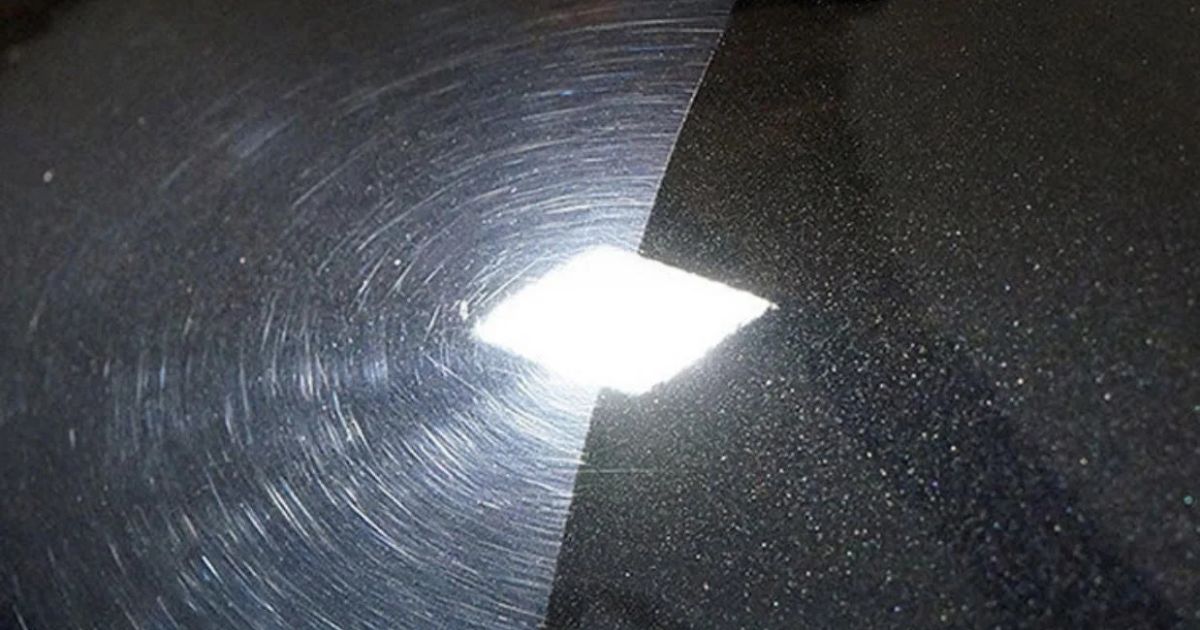
Another critical point is that ceramic coating won’t fix existing paint issues. Any scratches or imperfections present before application will remain visible. This is why proper paint correction is essential before applying the coating.
Two cars can receive ceramic coating and end up with completely different results. One maintains its finish for years, while the other begins to degrade far sooner than expected.
The deciding factor is not the coating itself, but how it’s applied.
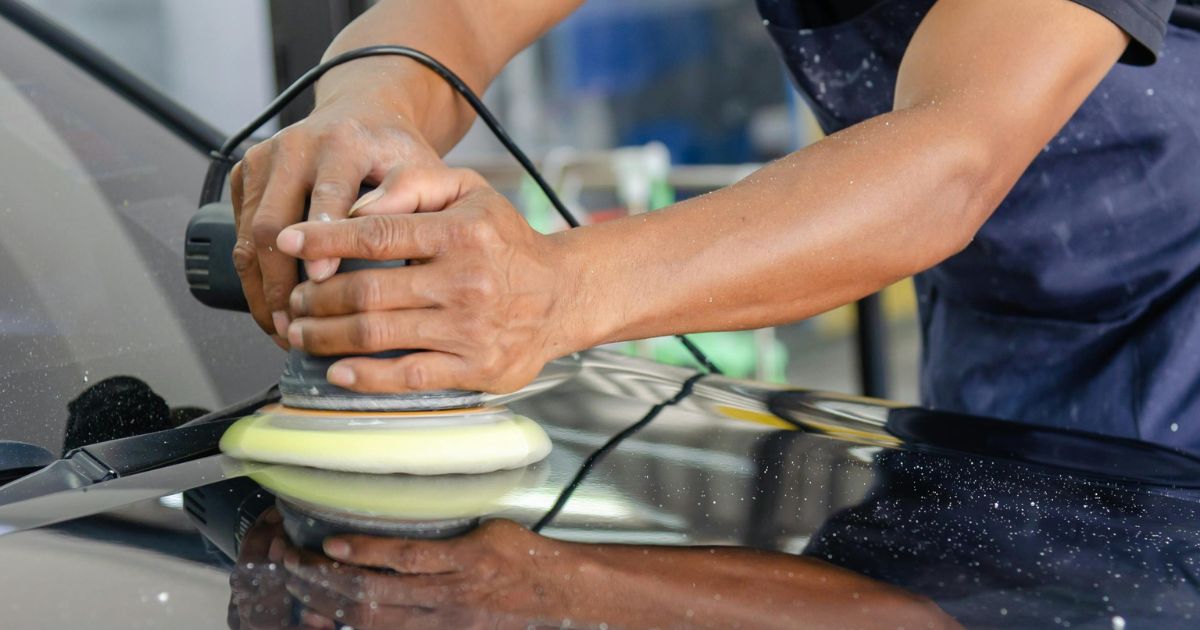
Preparation is where the majority of the work happens. Proper decontamination, polishing, and paint correction ensure the surface is clean and smooth enough for the coating to bond correctly. Without this, durability is compromised from the start.
Product quality also matters, but only when paired with the right process. Professional-grade coatings are designed for longevity, while lower-tier options are often simplified for ease of use rather than performance.
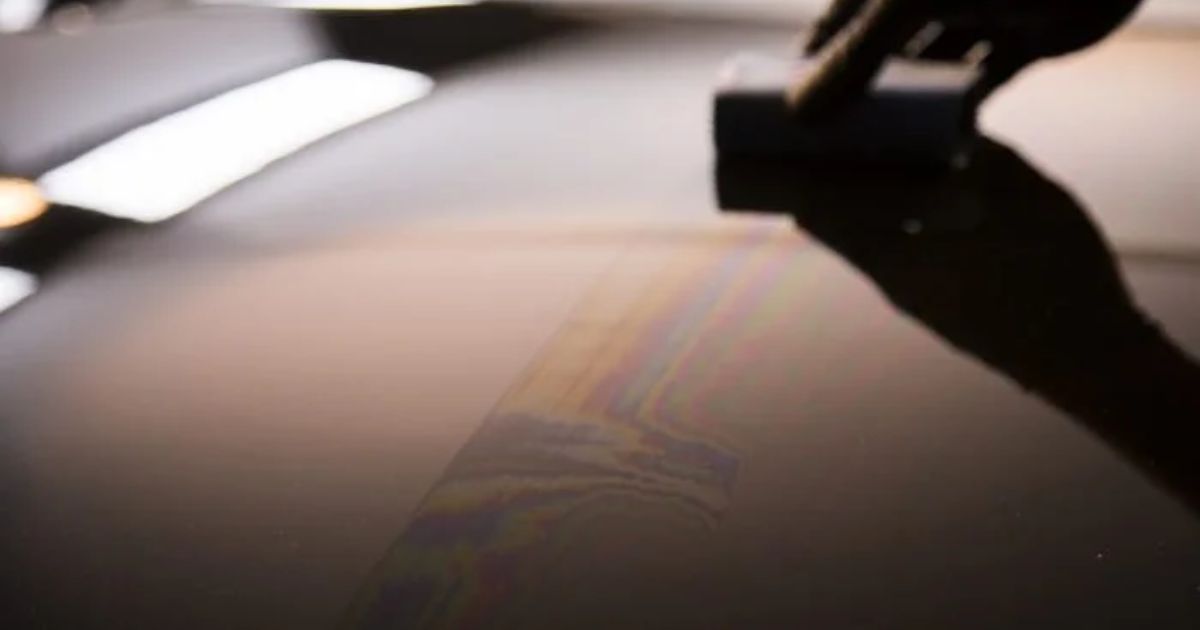
Application technique ties everything together. Ceramic coating requires controlled conditions and careful timing. When rushed or applied incorrectly, the result is inconsistent coverage and reduced lifespan.
DIY ceramic coating is often marketed as a simple and cost-effective alternative. While it can deliver short-term improvements, it operates on a different level compared to professional application.
Most DIY products offer limited durability and are more comparable to advanced sealants than true ceramic coatings. They are easier to apply but lack the strength and longevity of professional-grade solutions.
Professional application involves a far more detailed process, including paint correction and controlled curing conditions. The end result is not just a better finish, but one that lasts significantly longer and performs more consistently.
The difference in cost reflects the difference in outcome. One is temporary improvement, the other is long-term protection.
Ceramic coating pricing varies because the service itself varies. What you’re paying for is not just the product, but the preparation, labour, and expertise required to deliver a lasting result.
A significant portion of the cost is tied to paint correction, which ensures the surface is in optimal condition before the coating is applied. Skipping or reducing this step lowers the upfront price, but it also reduces the effectiveness and lifespan of the coating.
Lower-cost options often cut corners in preparation or use lower-quality products, which leads to results that don’t hold up over time. What appears to be a saving initially can quickly become an additional expense when the coating needs to be redone.
Ceramic coating is worth it when expectations align with what it’s designed to deliver. It provides long-term gloss, improved protection against environmental damage, and a significant reduction in maintenance effort.
For those who want their car to consistently look clean and well-maintained, it offers clear value. It also plays a role in preserving resale value by maintaining the condition of the paint over time.
It becomes less worthwhile when it’s expected to prevent all forms of damage or when maintenance is neglected entirely. Like any protective solution, it performs best when used as intended.
Choosing ceramic coating is less about selecting a product and more about choosing the right process and provider. The quality of the result is determined by the level of preparation, the precision of the application, and the understanding of how the coating should perform.
When those elements are handled correctly, ceramic coating becomes one of the most effective ways to protect and enhance your vehicle. When they’re not, it falls short of expectations and becomes another overhyped service.
Ceramic coating provides long-term protection, enhanced gloss, and easier maintenance, but it is not a solution for preventing physical damage like scratches or rock chips. The success of the coating depends heavily on preparation and application, with professional services consistently delivering better results than DIY alternatives. Understanding the true cost and what goes into the process is essential for making an informed decision, as cutting corners often leads to reduced performance and shorter lifespan.
At Prestige Protection we offer superior product and premium service for all car protection services. Save up to 50% off dealership prices when you choose us.
© 2026 Prestige Protection. Web Design