
What Twelve Months on the Gold Coast Does to an Unprotected Car
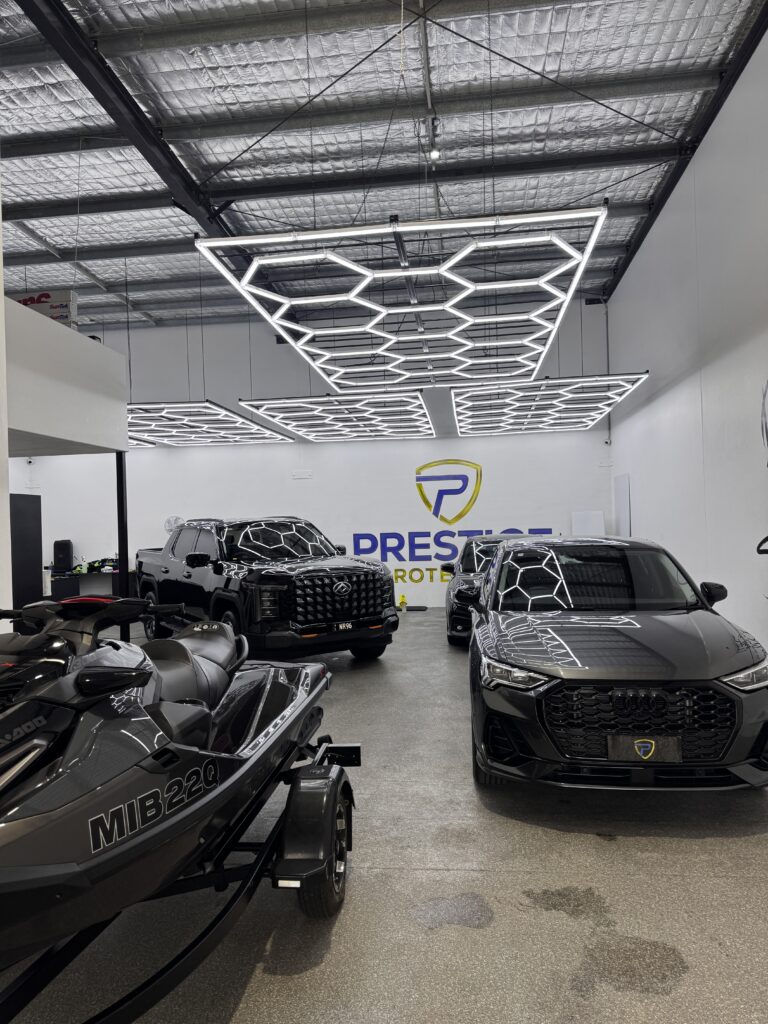
Park a new car outside on the Gold Coast, wash it the way most people do, and come back in twelve months. It will not look damaged. It will look slightly less good in a way that is hard to point at, and that is exactly the problem, because almost nothing here happens as an event. It accumulates. This guide covers what year-round UV, airborne salt, wash technique and storm rain each do over a year, with a month by month timeline, and what is worth doing about it in order.
Queensland Sun and Your Interior: What Fades, Cracks and Why
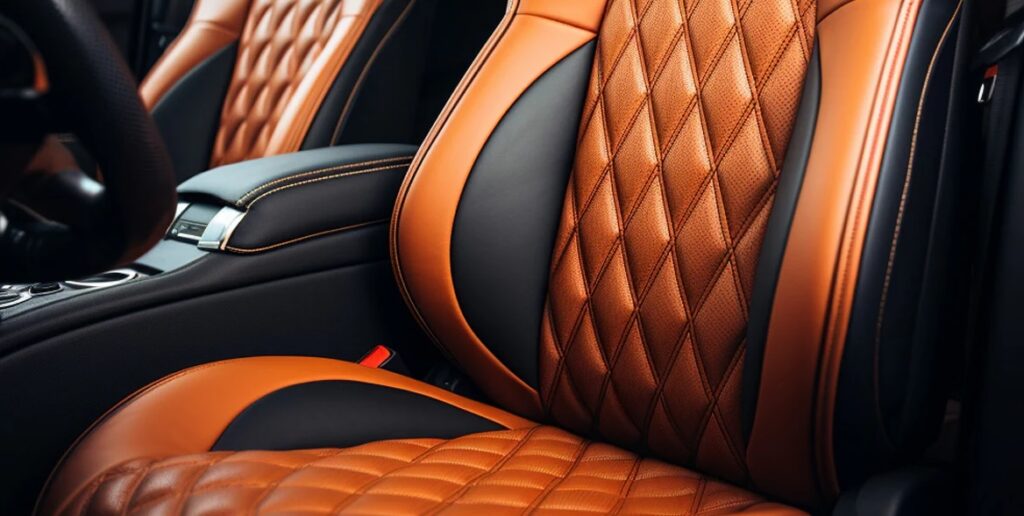
Interior damage is quieter than exterior damage and considerably harder to undo. A faded dash, a cracked wheel, leather gone hard at the bolsters: none of that polishes out. Where paint can be corrected, most interior damage is a replacement. This guide covers what UV, heat and humidity each do to leather, vinyl, fabric and adhesives, how recoverable each one is, and what genuinely helps, starting with cutting the load at the glass rather than treating the symptom afterwards.
Salt, Rust and Coastal Cars: What Actually Prevents Corrosion
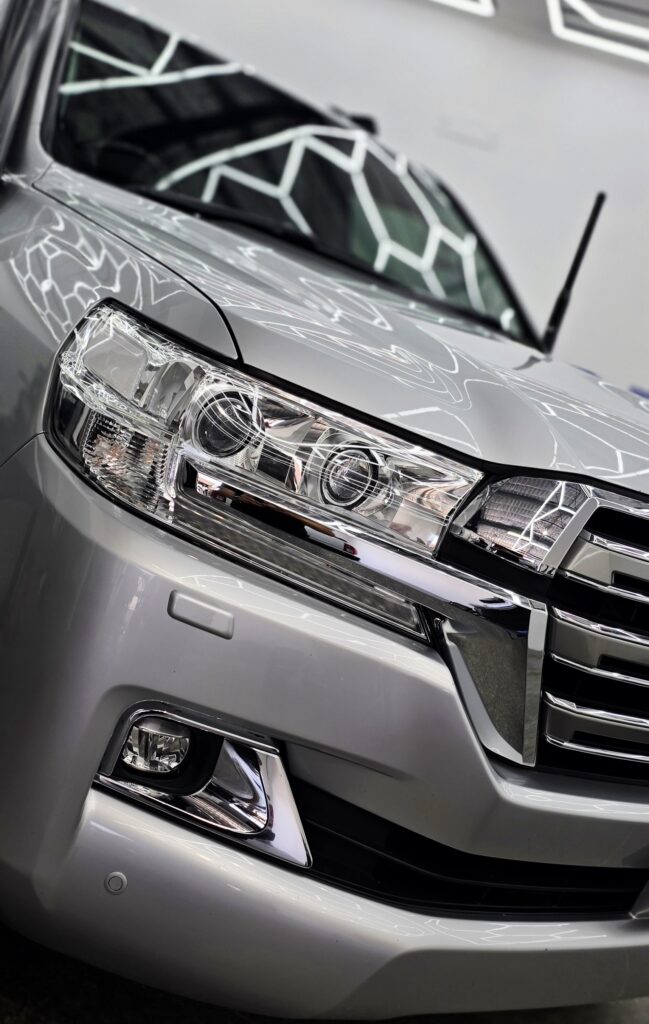
Rust on the Gold Coast is not really about rain, it is about salt. Airborne salt settles on every surface, holds moisture against metal long after everything looks dry, and turns ordinary humidity into an electrolyte. This guide covers where corrosion actually starts, which is almost never the panels you look at, the single most effective habit, the six things worth checking twice a year, and where coatings genuinely help and where they do not. The highest value things you can do cost almost nothing and none involve buying a product.
How to Wash a Motorcycle Without Wrecking the Chrome

Most of the damage done to a bike happens while it is being cleaned, not while it is being ridden. Chrome gets hazed by the wrong cloth, tanks pick up swirls from a gritty mitt, and water left to dry in the sun leaves spots that get polished off, taking a little material each time. This guide covers rinsing before you touch anything, the two bucket method, why chrome wants care rather than chemicals, why you should never wash a hot bike, and what changes once the bike is coated.
Ceramic Coating for Motorcycles: Tank, Chrome and Everything Else

A bike is not one surface, it is five or six, and that is what makes coating a motorcycle different from coating a car. Painted tank and guards, chrome, powder coated frame, polished alloy, leather and exhaust all want something different, and a product that is perfect on the tank is the wrong answer elsewhere. This guide covers what a coating changes on each surface, why chrome is where most of the value sits, why exhaust and headers are excluded, and why a small bike takes longer to do properly than you would expect.
Jet Ski Ceramic Coating: What It Helps and What It Does Not

A jet ski lives harder than almost anything else we coat. Launched and retrieved constantly, sat on a trailer in full sun between rides, salt on every surface, and the parts you grab and stand on taking UV all day. Everything that dulls a boat happens to a ski faster and on a smaller surface. This guide covers why skis dull quicker than hulls, why trailer rash is a separate problem a coating will not touch, what to expect from a coating on a ski, and why the gelcoat on a ski gives you less room to work with.
Why Boats Go Chalky, and How Much Comes Back

A chalky hull is not dirty and it is not worn out, it is oxidised. UV has broken down the resin at the very surface of the gelcoat until it turns to powder that scatters light instead of reflecting it. Most of it comes back, because the oxidation is usually shallow and there is sound gelcoat underneath. This guide covers how to tell how far gone a hull is with a dry hand, what cutting back actually involves, the limit that nobody mentions on an old hard-worked boat, and what it takes to make the result stay.
10 Things Worth Doing If You Own a Caravan or RV

A caravan or RV spends most of its life parked, and that is what wears it out. The damage is not from kilometres, it is UV on the roof sealant and exterior, salt air on anything metal, tyres ageing while the van sits still, and moisture finding a seal nobody checked. These ten are grouped by what they protect against rather than ranked, because there is no honest way to rank a tyre blowout against a chalky roof. Four of them are things we do and we have said which. The other six are yours, cost almost nothing, and matter just as much.
Boat Ceramic Coating: What It Does for Gelcoat

Boats are finished in gelcoat, not automotive clear coat, and gelcoat fails differently. It does not swirl, it goes chalky, oxidising from the surface down under constant UV and salt until a hull that was deep and glossy turns dull and porous. A ceramic coating takes that exposure instead, and makes salt, grime and black streaks release with a rinse rather than a scrub. This guide covers what a coating changes on a hull, why it is a topsides product and never a substitute for antifouling, why a chalky hull has to be cut back before anything goes on, and what it is like to own a coated boat.
How to Look After Your Window Tint and Make It Last

Tint needs very little care, but the first few days and the cleaner you reach for are where most of it gets damaged. Keep the windows up while the adhesive cures, and never use anything containing ammonia, because it attacks both the adhesive and the film. This guide covers what to expect during curing, how to clean the inside glass without lifting the edges, what to watch for around the perimeter, how to handle rear demister lines, and how to tell normal curing haze apart from a film that is actually failing.