
Ceramic Coating for Motorcycles: Tank, Chrome and Everything Else

A bike is not one surface, it is five or six, and that is what makes coating a motorcycle different from coating a car. Painted tank and guards, chrome, powder coated frame, polished alloy, leather and exhaust all want something different, and a product that is perfect on the tank is the wrong answer elsewhere. This guide covers what a coating changes on each surface, why chrome is where most of the value sits, why exhaust and headers are excluded, and why a small bike takes longer to do properly than you would expect.
Boat Ceramic Coating: What It Does for Gelcoat

Boats are finished in gelcoat, not automotive clear coat, and gelcoat fails differently. It does not swirl, it goes chalky, oxidising from the surface down under constant UV and salt until a hull that was deep and glossy turns dull and porous. A ceramic coating takes that exposure instead, and makes salt, grime and black streaks release with a rinse rather than a scrub. This guide covers what a coating changes on a hull, why it is a topsides product and never a substitute for antifouling, why a chalky hull has to be cut back before anything goes on, and what it is like to own a coated boat.
Are Paint Protection Packages Worth It?
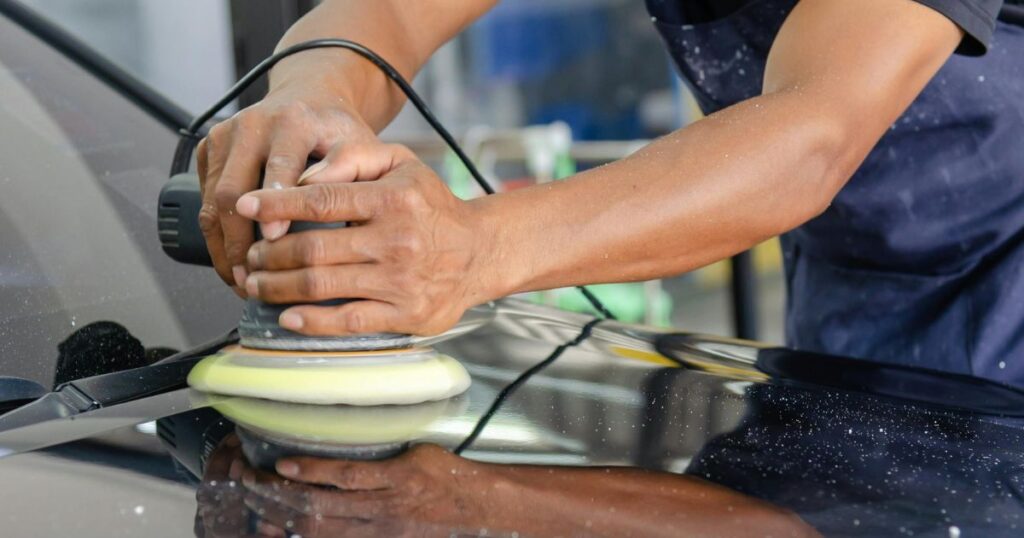
A paint protection package is worth the money when someone prepares the paint properly first, and close to worthless when they do not. DIY kits run $40 to $150 and last three to six months. Dealership add-ons run $800 to $1,500 and usually include no correction at all. Professional coatings here are $995, $1,395 or $1,795 with 8, 9 and 10 year warranties, and correction is quoted separately from $100 an hour. This guide breaks down every tier, explains what a 9H hardness rating actually measures, and is straight about the one thing no coating at any price will stop.
How Does Ceramic Coating Work on Cars?
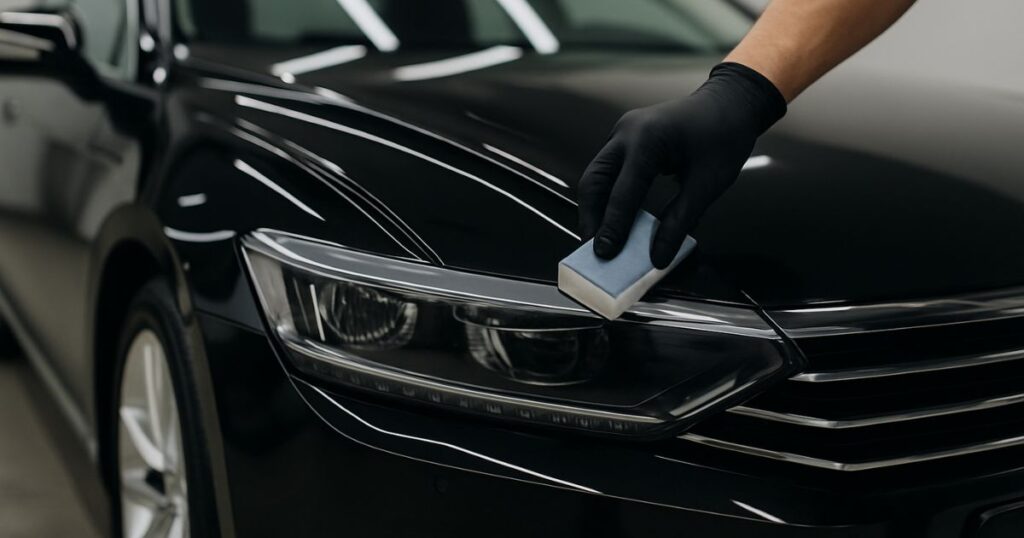
A ceramic coating is a liquid built around silicon dioxide that cures into a hard, transparent film bonded to your clear coat, a few microns thick. The key word is sacrificial: it is not making your paint tougher, it is wearing out in front of it. That also explains the thing owners most often get wrong, which is that water beading is not a measure of protection. Beading reflects the outermost surface and fades years before the UV and chemical resistance does. This guide covers how the bond forms, how it differs from wax and sealant, and what wears it out.
Why Paint Correction Matters Before Ceramic Coating
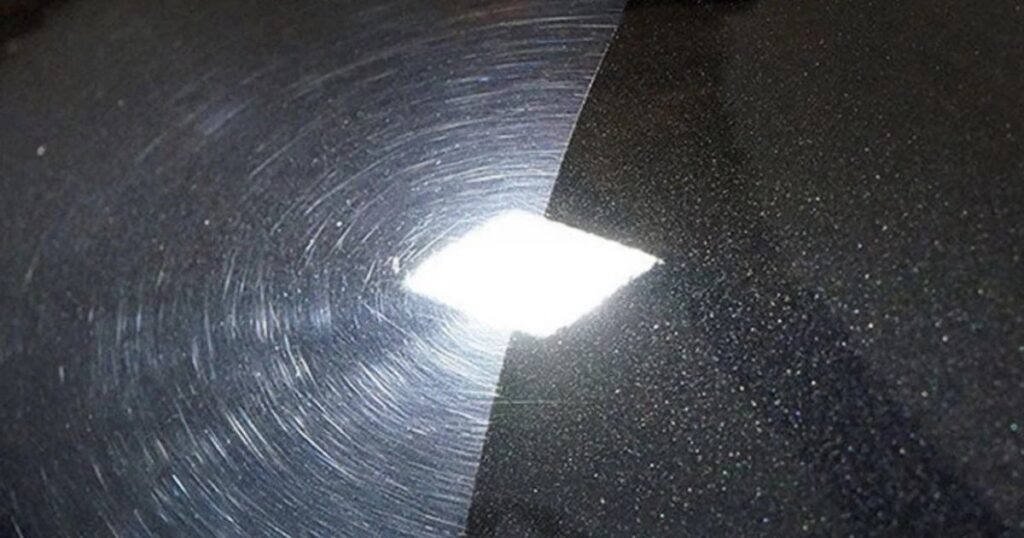
A ceramic coating is optically clear and fills nothing, so every swirl mark and etch mark on the paint when it cures stays visible underneath for years. That is the obvious reason correction comes first. The less obvious one is that clear coat is finite: every correction consumes a little of it and it does not grow back, which makes it a limited resource rather than something you can repeat indefinitely. This guide explains what each stage of correction removes and what it costs you, why resprayed panels are the real hazard, and the fingernail test for which scratches never come out.
How DIY Ceramic Coating Compares to Professional Application
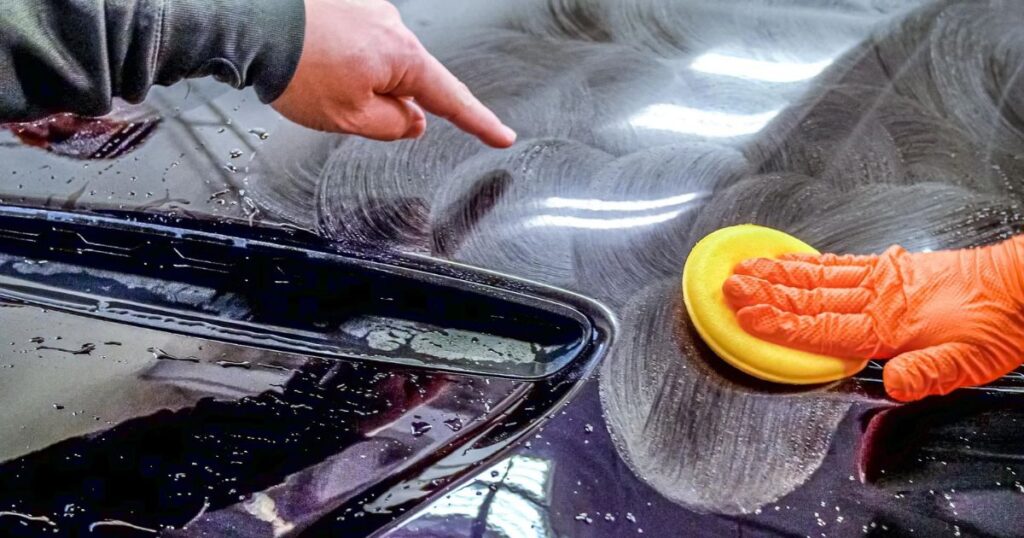
A DIY kit costs $40 to $150 and lasts three to six months. A professional coating starts at $995 and carries an 8 to 10 year warranty. Almost all of that gap is preparation rather than product, because the coating itself is the quickest step in a professional job. The cost nobody prices in is failure: a cured DIY coating with high spots cannot be washed off, it has to be machine polished, so a $60 bottle can create a $400 problem. This guide covers the six ways home applications fail, and how to do it properly if you are going ahead.
Studio vs Mobile Car Protection and Why the Environment Matters
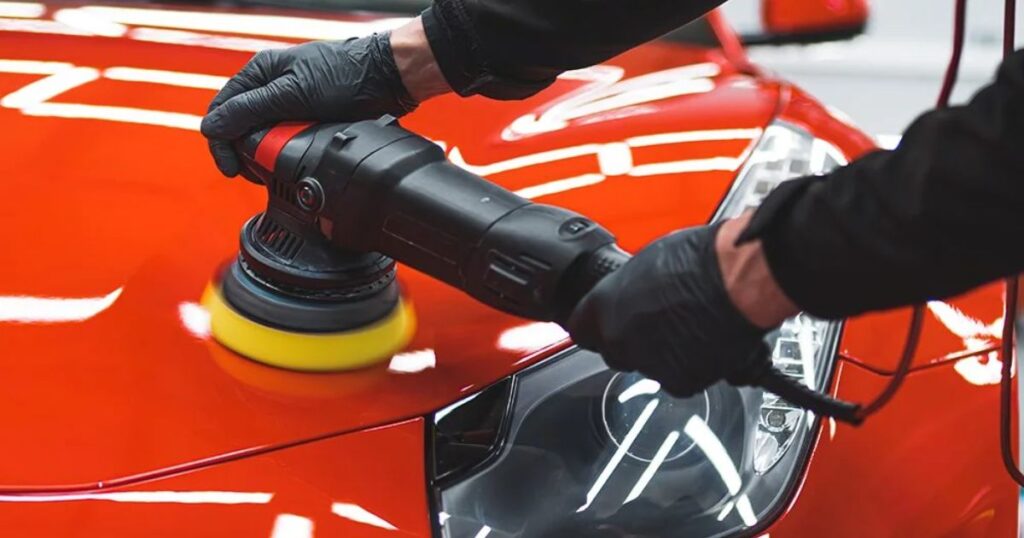
Mobile suits work that can be redone, and a studio suits work that cannot. Washing, decontamination, spray top-ups and interior detailing are perfectly good mobile jobs. Machine correction and ceramic coating depend on controlling dust, light, temperature and cure time, and a driveway controls none of them. The failures are permanent rather than cosmetic: a coating that flashes off on a hot panel leaves high spots that have to be polished out, and anything trapped under a clear layer stays there. This guide covers what goes wrong outdoors and the questions to ask before booking anyone.
Just Bought a New Car? Here’s What to Do First
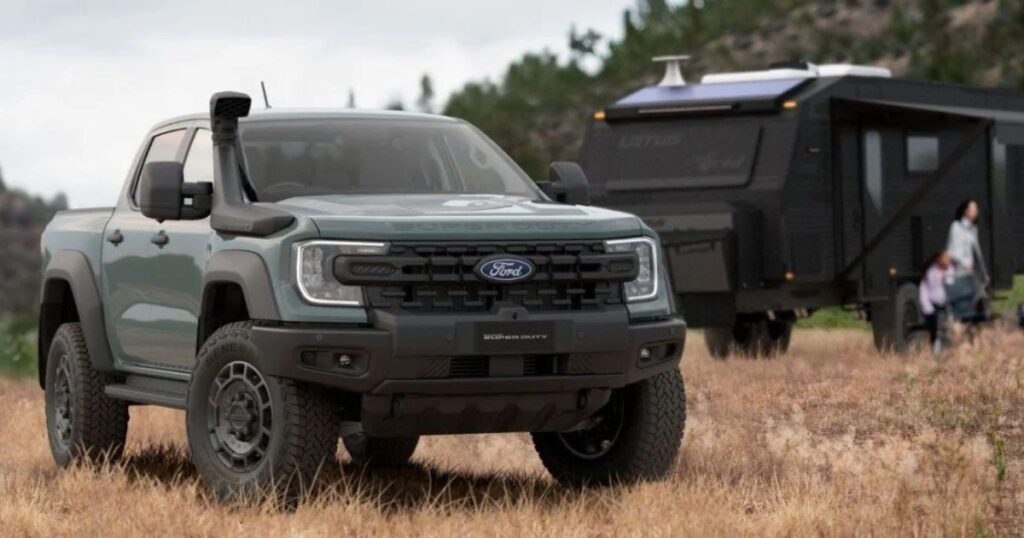
Decline the paint protection add-on at the finance desk, inspect the paint in daylight before you sign, avoid automatic washes, and book protection within the first month. A new car is the cheapest car you will ever protect, because the expensive part of the job is correcting damage that has already happened and a new car has almost none. New does not mean flawless though, since the pre-delivery wash is a common source of fine swirl marks. This guide gives you the inspection method, a thirty day timeline, and what to spend on first when the budget is limited.
Does Your Car Need Ceramic Coating or Paint Protection Film?
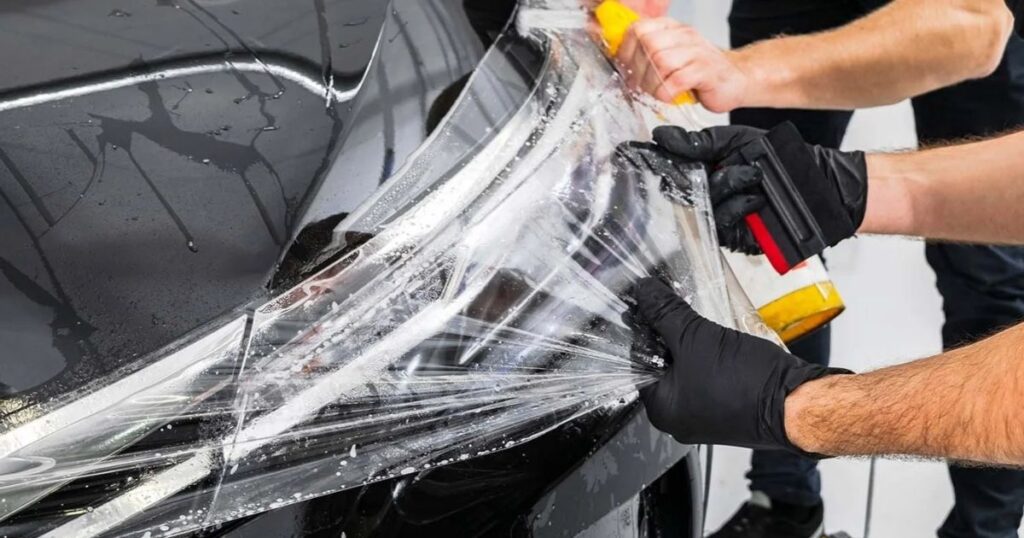
Ceramic coating and paint protection film solve different problems, so choosing between them is usually the wrong question. A coating handles UV, chemical etching, water spotting and the swirl marks that come from washing. Film is thick urethane that absorbs impact, and it is the only one of the two that stops a stone chip. This guide gives the honest case for film, the honest case against it, and where we land and why. We fit coatings, not film, and we will tell you when film is the better answer for your car.
What New Car Protection Packages Include and Why They Matter
Package is a word that hides a lot. Two quotes at the same price can contain very different amounts of work, and the difference is almost always preparation rather than products. This guide breaks a new car protection package into its line items and shows which ones get quietly skipped. The coating itself is $995, $1,395 or $1,795 depending on the product, carrying 8, 9 and 10 year warranties, with paint correction quoted separately from $100 for the first hour. You also get six questions that tell you what you are really buying before you accept a quote.