

Picking up a brand new car is one of the better feelings in life. The paint is flawless. The interior smells fresh. Everything works exactly as it should. Most people want that feeling to last as long as possible. The problem is that without protection in place early, the condition starts to decline faster than most owners expect.
Queensland conditions are not kind to unprotected vehicles. The UV exposure is relentless, the summer heat is extreme, and everyday driving exposes the paint and interior to a constant stream of contaminants. Getting protection sorted before any of that damage begins is the most effective approach. Waiting until problems appear and then trying to address them costs more and delivers a lesser result.
There are three areas worth addressing on a new vehicle straight away: the windows, the paint, and the interior. Each one serves a different purpose, and together they cover the full picture.
Window tinting is the first thing most new car owners consider, and the reasons go well beyond aesthetics or privacy.
The Queensland sun delivers serious UV radiation every day. That radiation damages more than just skin. It bleaches dashboards, cracks leather, fades fabric, and degrades plastics over time. Quality ceramic window film blocks up to 99% of UV radiation entering through the glass. This protects the occupants and preserves the interior condition simultaneously.
Heat is the other major factor. A car parked in direct sun for a few hours in summer reaches interior temperatures that accelerate material degradation across every surface inside the cabin. Ceramic window tinting targets infrared radiation, which is the part of the solar spectrum responsible for most of that heat buildup. The difference in cabin temperature between a tinted and untinted vehicle in a Queensland summer is significant and felt immediately.
The legal limits in Queensland set a minimum of 35% VLT for front side windows and 20% for rear windows. Quality ceramic film delivers strong heat and UV rejection within those limits. A lighter ceramic film at 35% VLT still carries high infrared rejection ratings, which means the heat performance does not depend on the tint being very dark.
Glare reduction is another practical benefit. Long drives become more comfortable when the driver is not fighting sun glare through the front side windows. Night driving also improves because quality ceramic film reduces the harshness of oncoming headlights without distorting visibility the way some lower-grade films do.
Getting window tinting done immediately after purchase makes sense for one additional reason. Applying it to new, uncontaminated glass gives the film the cleanest possible surface to bond to. The result lasts longer and looks better than film applied to glass that has already accumulated road grime, water spotting, or surface residue.
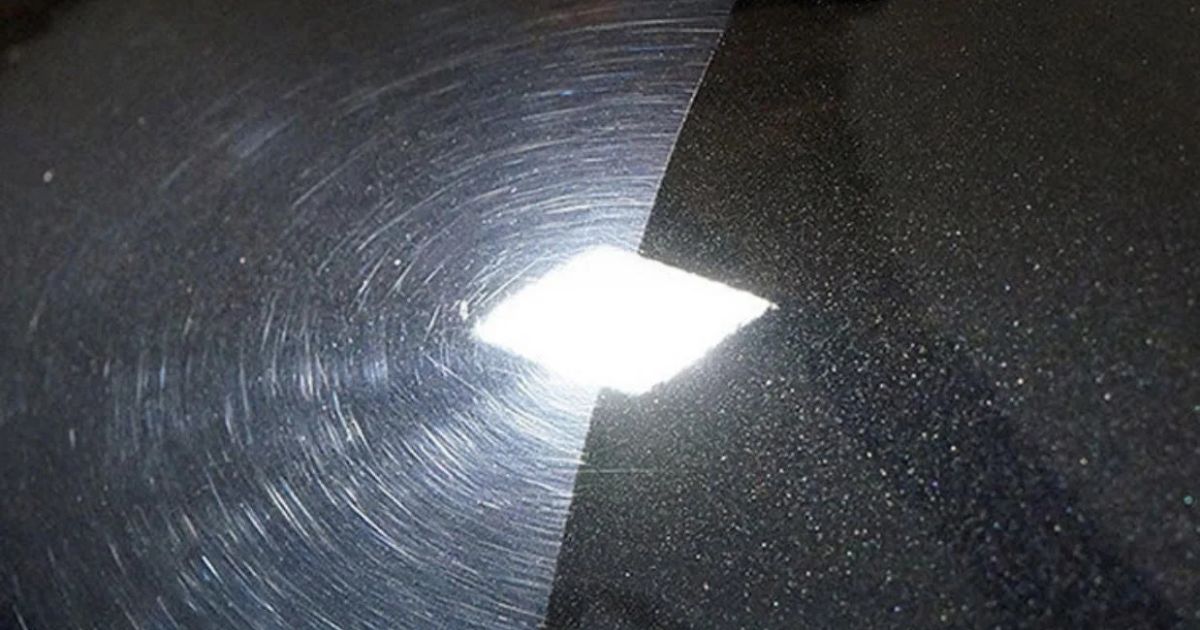
New car paint looks perfect at the point of purchase. That is precisely the right moment to protect it. Once the first wash introduces swirl marks, or the first week of driving deposits road contaminants onto the surface, the starting point for protection is already compromised.
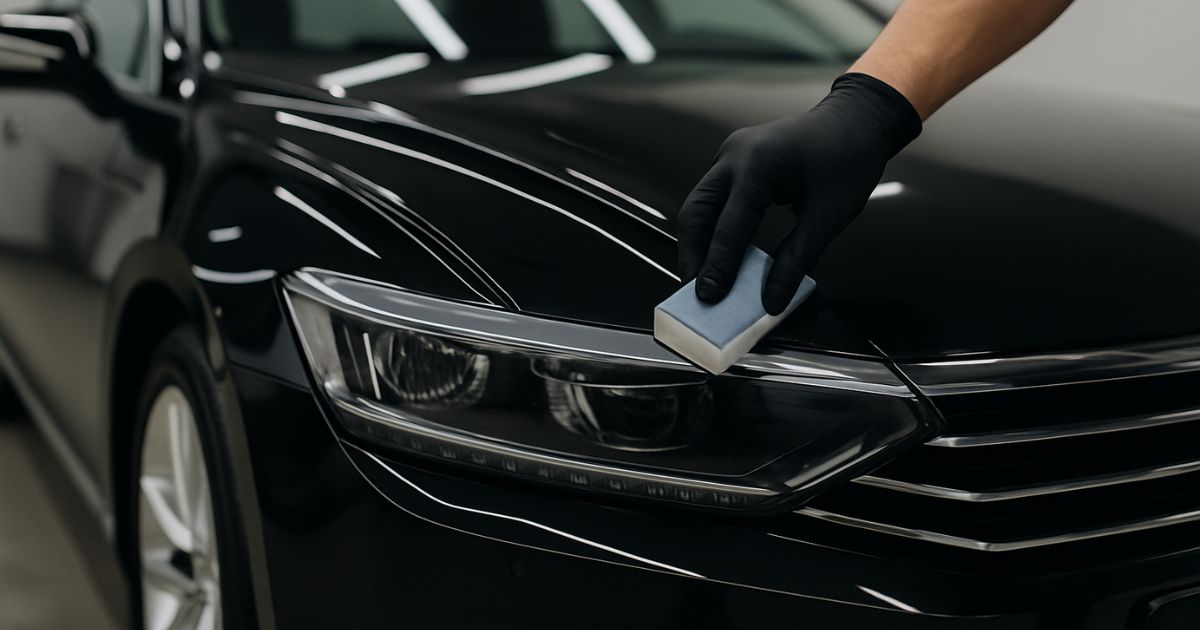
Ceramic coating bonds chemically with the clear coat and creates a hard, hydrophobic surface over the paint. Water beads and rolls off. Contamination from bird droppings, tree sap, road grime, and industrial fallout does not bond to the surface the way it does on unprotected paint. Washing the car takes less time and causes less surface damage because the paint stays cleaner between washes.
The visual improvement is immediate. Ceramic coating adds depth and clarity to the paint, enhancing the gloss that new paint already has. That finish holds its quality over years rather than fading with each wash the way wax does.
UV protection from ceramic coating works alongside window tinting to slow the oxidation and colour fade that Queensland sun causes on paint surfaces over time. Panels that stay out of a garage regularly show the effects of UV exposure clearly on unprotected vehicles. Coating the paint slows that process considerably.
One point worth understanding clearly: ceramic coating does not prevent rock chips or deep scratches. It adds hardness to the surface and can reduce minor swirl marks from light contact, but physical impact from road debris goes through the coating. Drivers who regularly cover highway kilometres or country roads where stone chips are a genuine concern should consider paint protection film on the high-impact zones, either instead of or alongside ceramic coating.
For the majority of suburban and urban drivers, ceramic coating alone delivers strong and lasting protection. The key is applying it to paint that is in its best condition. New car paint, before any contamination or surface damage accumulates, represents the ideal starting point.
The exterior of a vehicle gets most of the attention when it comes to protection. The interior takes just as much punishment and shows wear just as visibly over time.
Seats, floor carpets, and trim surfaces all degrade with regular use. Spills soak into unprotected fabric and leather. UV exposure bleaches and dries out materials. Dirt and grit work into seat surfaces and cause abrasion. On a new vehicle, none of this damage has started yet.
Applying interior protection to new seats and floor surfaces creates a barrier against all of it. Spills bead on the surface rather than soaking in immediately. Cleaning up everyday messes becomes quick and straightforward. UV treatment on leather and vinyl slows the drying and cracking that Queensland sun causes over time.
The resale value connection is direct. A well-maintained interior holds value significantly better than one that shows years of staining, fading, and wear. Buyers notice the condition of the interior immediately. Protection applied at the beginning keeps that condition closer to new across the life of the vehicle.
For families with young children or active lifestyles, interior protection is especially practical. The barrier it creates does not change how the interior looks or feels. It simply makes the surfaces more resistant to the spills, mud, and everyday contact that happen regardless.
All three of these services deliver the best results when applied to a new vehicle. The paint is in its best condition. The glass is clean. The interior has not started showing wear. Starting from that baseline means each product bonds correctly, performs as designed, and lasts longer.
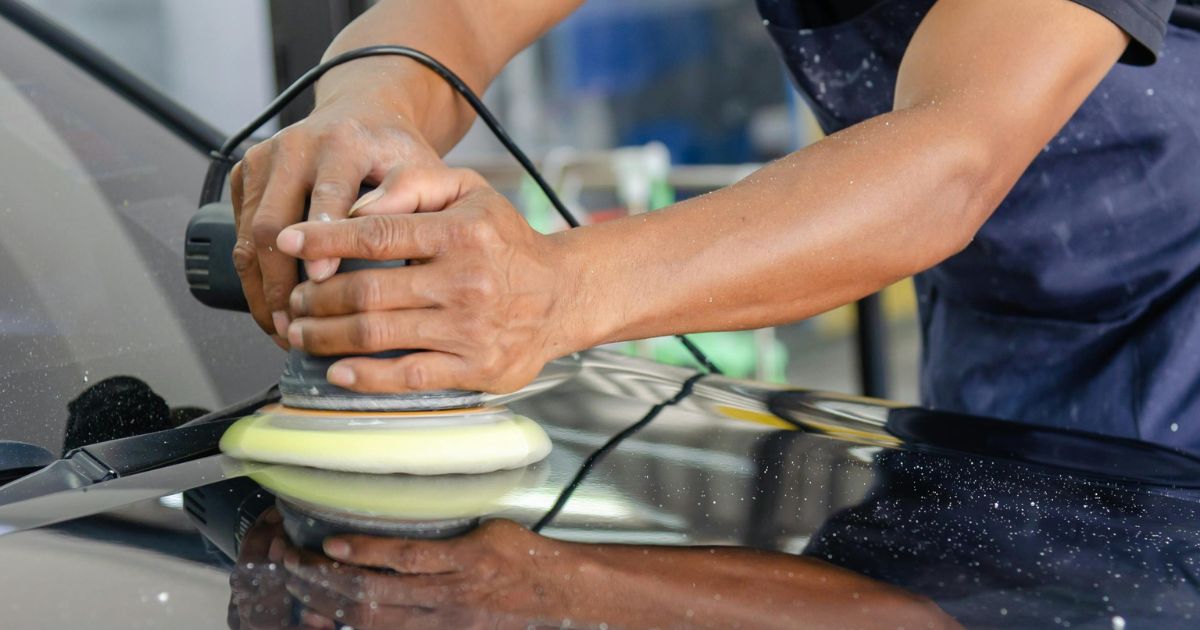
Waiting until problems appear changes the calculation. Paint correction before ceramic coating adds time and cost. Interior stains may not fully treat even with professional products. Water spotting and surface contamination on glass can complicate film installation. The sooner protection goes on, the simpler and more effective the process.
This is not about spending money for its own sake. It is about making one investment at the beginning that protects a much larger one across the life of the vehicle. A new car is worth protecting properly from day one.
New car protection covers three areas: window tinting blocks UV and heat before the interior starts degrading, ceramic coating bonds to fresh paint and keeps it cleaner and better looking for longer, and interior protection creates a barrier against spills, UV damage, and everyday wear on seats and surfaces. All three deliver better results when applied to a new vehicle before any deterioration begins. In Queensland’s climate, getting protection in place immediately after purchase is the most cost-effective way to preserve the condition and value of a new car.
At Prestige Protection we offer superior product and premium service for all car protection services. Save up to 50% off dealership prices when you choose us.
© 2026 Prestige Protection. Web Design