
Take a new car, park it outside on the Gold Coast, wash it the way most people wash a car, and come back in twelve months. It will not look damaged. It will look slightly less good than it did, in a way that is hard to point at, and that is exactly the problem. Almost nothing here happens as an event. It accumulates.
This is what is actually going on over those twelve months, roughly in the order it does damage, and which of it you can do something about.
Queensland Health advises the state records a UV index of 3 or above all year round, including through winter. That is the single most important fact about owning a vehicle here. There is no off season in which your paint, your dash and your seats get a rest.
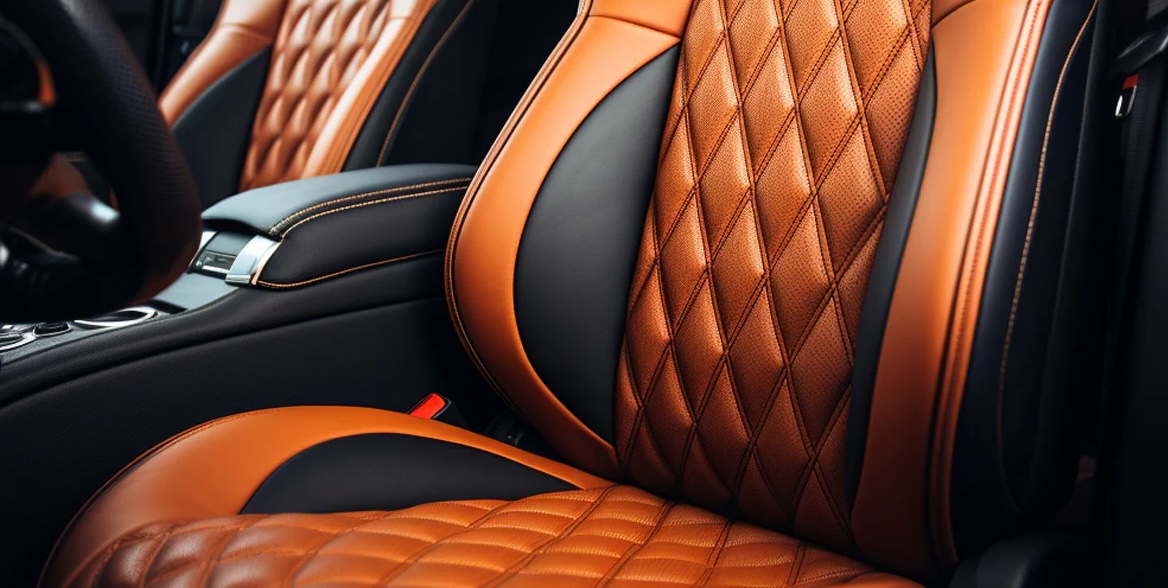
Outside, UV works on the clear coat continuously, which is why reds and blacks here fade faster than the same cars further south. Inside, it comes through the glass and concentrates on the same surfaces every day, and interior damage is the kind that gets replaced rather than repaired, as covered in interior protection.
Airborne salt settles on everything, well inland of the actual beach. It holds moisture against metal long after the surface looks dry, and it finds the places nobody inspects: inside sills, around suspension mounts, at seams and spot welds, and anywhere a chip has broken through to bare metal.
Twelve months of that on an unrinsed underbody is how a coastal car starts differing from an inland one. The full picture is in what actually prevents corrosion, but the short version is that rinsing the underside matters more than washing the parts you look at.
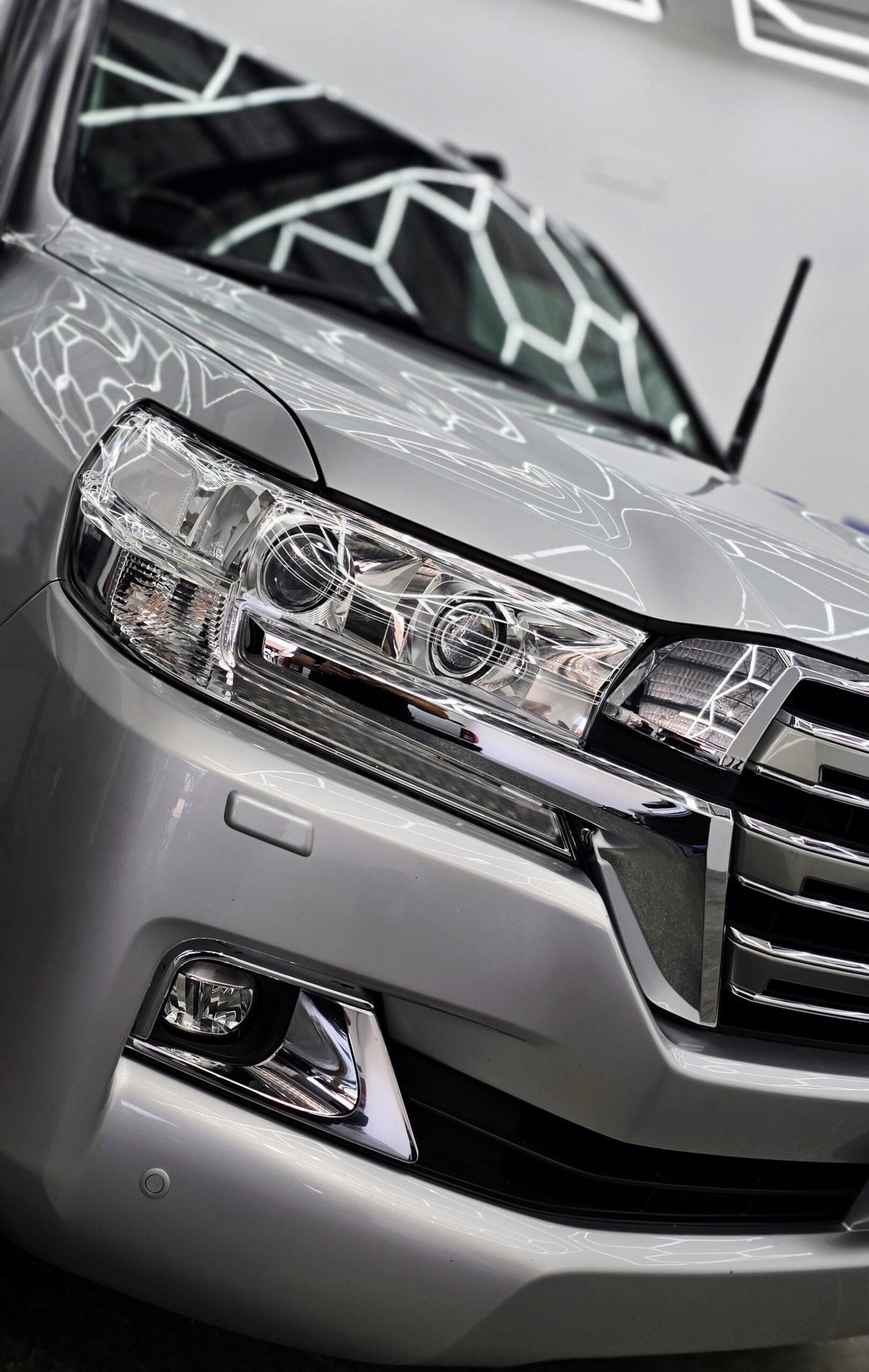
This is the finding that surprises people. The overwhelming majority of fine scratching on a daily driver is put there during washing, not driving. A gritty mitt, a single bucket, an automatic wash with spinning brushes, drying with the wrong towel: each pass leaves marks, and twelve months of them is what turns a deep finish flat.
It is also the most fixable item on this list, because it costs nothing to change. Two buckets, a clean mitt, no brush washes, and dry it rather than letting it air dry.
Sudden downpours followed by full sun is a Gold Coast speciality and it is hard on paint and glass. Water sits, evaporates and leaves mineral deposits behind, which etch if they bake. Add bird droppings and eucalyptus sap from bushland parking, both acidic enough to mark clear coat if left, and you have a year of small etch marks accumulating.
| By this point | What has usually happened | What would have prevented it |
|---|---|---|
| 1 to 3 months | First wash marks, first water spots, first bird dropping etch | Wash technique, and removing droppings promptly |
| 3 to 6 months | Swirls visible in direct sun, gloss starting to flatten | A coating, plus the wash habits above |
| 6 to 9 months | Interior surfaces beginning to fade, cabin heat noticeable | Window film cutting UV and infrared at the glass |
| 9 to 12 months | Underbody salt accumulation, chips showing surface rust | Rinsing the underside, touching up chips early |
| 12 months | A car that looks a year old rather than nearly new | Any two of the above, honestly |
Fix the washing first, because it is free and it prevents the most visible damage. Then protect the paint, because a coating both resists UV and etching and makes washing gentler, which compounds with the first item. The tiers and prices are in ceramic coating cost and what to expect.
Then cut the load at the glass with film, which protects the interior and makes the car usable on a hot day. Then get into the habit of rinsing the underbody after coastal trips. Those four cover the overwhelming majority of what a year here does.
If your car is new, all of this is cheaper now than it will ever be, because there is nothing to correct yet. That timing argument is in what to do first with a new car. If it is not new, bring it in and we will tell you what it actually needs rather than what a package price says.
Yes, on two counts. UV is at a level requiring sun protection year round rather than seasonally, and coastal salt accelerates corrosion in a way dry inland climates do not. Add high humidity and sudden storms and you have a combination that ages vehicles faster.
How you wash the car. Most of the fine scratching that dulls a finish is put there during washing, so two buckets, a clean mitt, no brush washes and drying properly costs nothing and prevents the most visible damage.
It solves a lot of it. Undercover parking cuts UV exposure on both paint and interior, reduces water spotting and keeps salt-laden air off the vehicle for most of the day. It is the highest impact free change available if you have the option.
Sooner than people expect. Wash marks and water spotting often appear within the first few months, and gloss typically starts flattening between three and six. It is gradual, which is why owners rarely notice until they see a properly finished car alongside theirs.
No, and the improvement is usually bigger than on a new car because most of it comes from correction. The limit is how much clear coat is left, which we assess before recommending anything.
No. The four things above are ordered deliberately, and doing the first two covers most of what a year here does. Anyone telling you that you need everything at once is selling rather than advising.
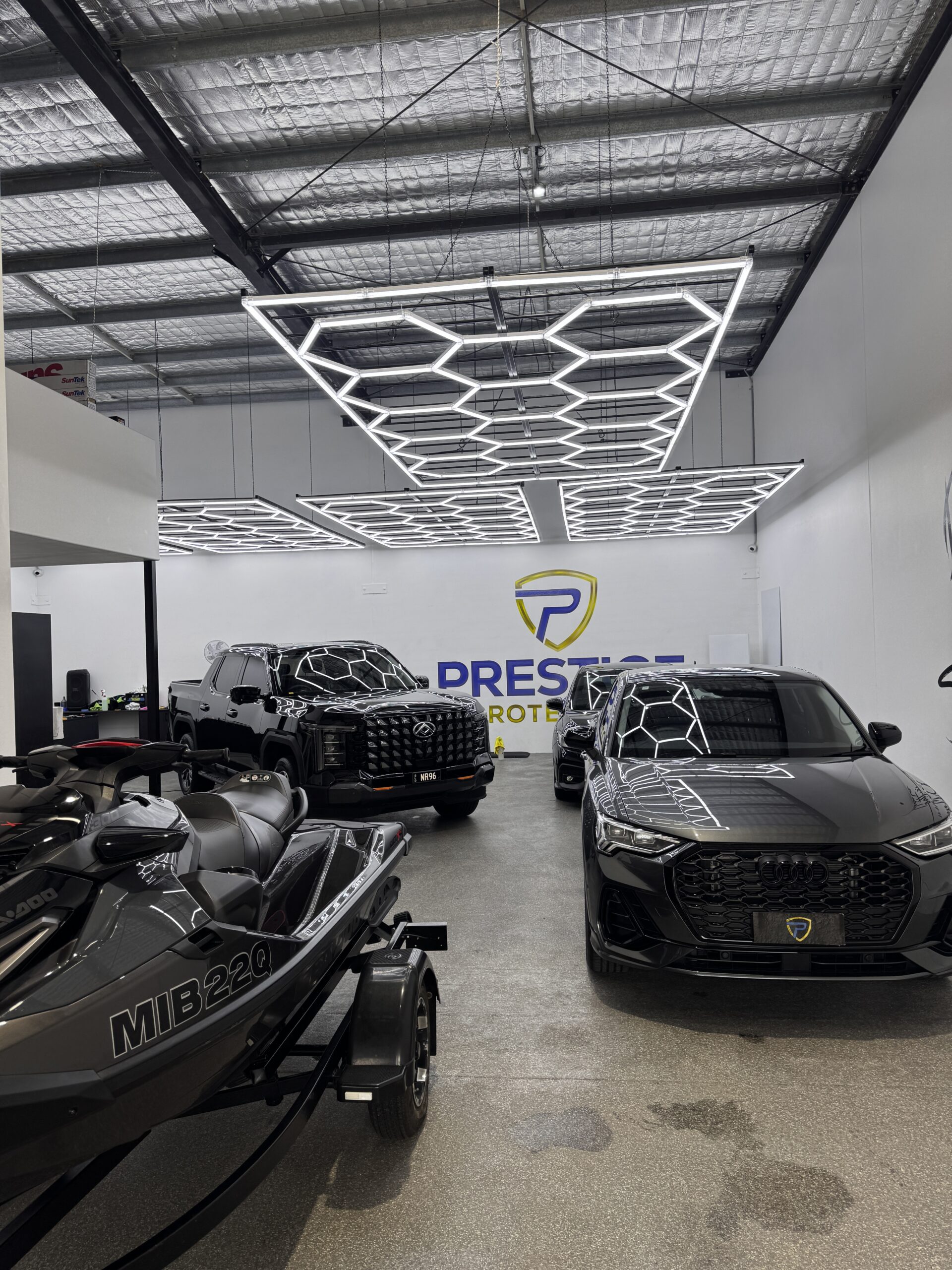
At Prestige Protection we offer superior product and premium service for all car protection services. Save up to 50% off dealership prices when you choose us.