
What Twelve Months on the Gold Coast Does to an Unprotected Car
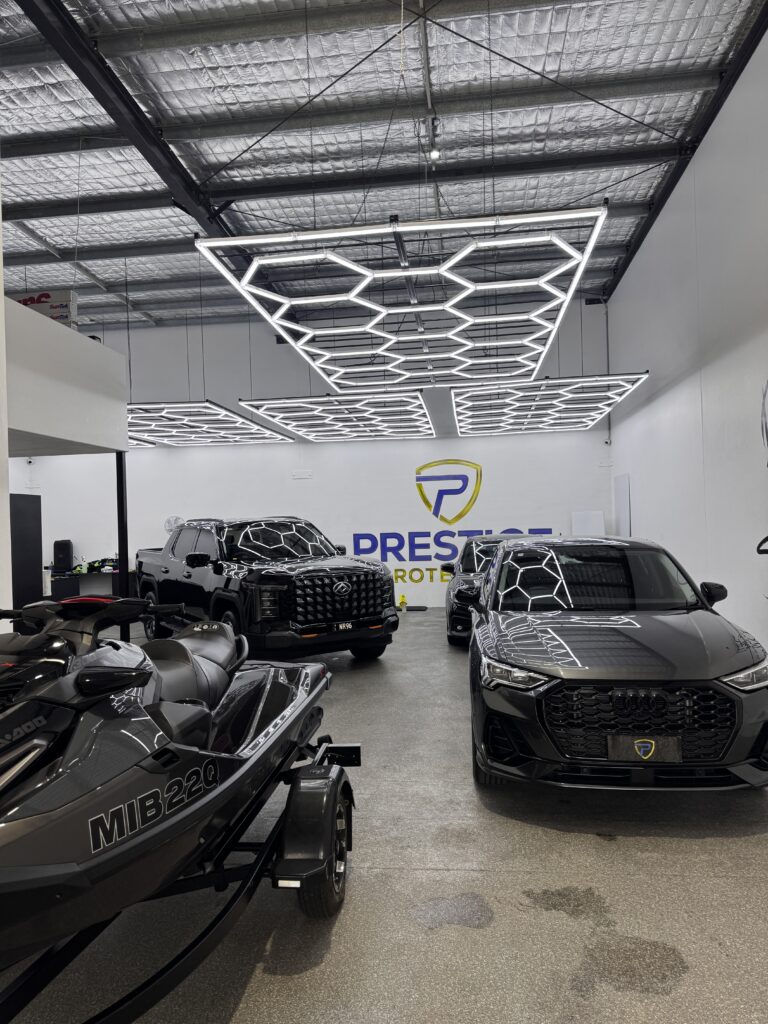
Park a new car outside on the Gold Coast, wash it the way most people do, and come back in twelve months. It will not look damaged. It will look slightly less good in a way that is hard to point at, and that is exactly the problem, because almost nothing here happens as an event. It accumulates. This guide covers what year-round UV, airborne salt, wash technique and storm rain each do over a year, with a month by month timeline, and what is worth doing about it in order.
Queensland Sun and Your Interior: What Fades, Cracks and Why
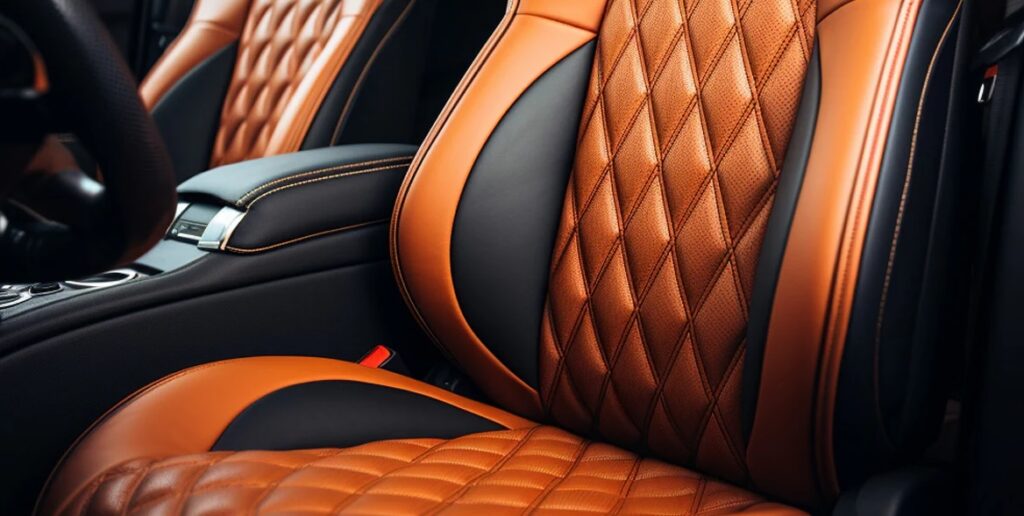
Interior damage is quieter than exterior damage and considerably harder to undo. A faded dash, a cracked wheel, leather gone hard at the bolsters: none of that polishes out. Where paint can be corrected, most interior damage is a replacement. This guide covers what UV, heat and humidity each do to leather, vinyl, fabric and adhesives, how recoverable each one is, and what genuinely helps, starting with cutting the load at the glass rather than treating the symptom afterwards.
Window Tinting for Boat Cabins and Marine Glass

A boat cabin in a Queensland summer is a greenhouse, and it takes UV from two directions because water reflects a serious amount of it straight back up through your glass. Film cuts the infrared that carries most of the heat, blocks the UV that fades upholstery and timber, and reduces glare at dawn and dusk. This guide covers why darkness and heat rejection are different measurements, how the rules differ on the water, why marine glass and acrylic need a different approach to car windows, and what you actually notice afterwards.
10 Things Worth Doing If You Own a Caravan or RV

A caravan or RV spends most of its life parked, and that is what wears it out. The damage is not from kilometres, it is UV on the roof sealant and exterior, salt air on anything metal, tyres ageing while the van sits still, and moisture finding a seal nobody checked. These ten are grouped by what they protect against rather than ranked, because there is no honest way to rank a tyre blowout against a chalky roof. Four of them are things we do and we have said which. The other six are yours, cost almost nothing, and matter just as much.
Window Tinting and Skin Cancer Risk for Australian Drivers

Your windscreen already protects you, but your side windows largely do not. Laminated windscreen glass blocks around 98 per cent of UVA, while the tempered glass in your side and rear windows can transmit as much as 79 per cent of it. Because that same glass stops most of the UVB that causes sunburn, exposure accumulates without the usual warning. Cancer Council Australia states that clear or tinted film reduces total UV penetrating tempered glass by over 99 per cent, and clear film protects as effectively as dark film, so the legal limits are no obstacle.
Does Darker Window Tint Mean Better Heat Rejection?

Darker tint does not block more heat, and the two things are measured separately for good reason. How dark a film looks is visible light transmittance. How much heat it stops is infrared rejection and total solar energy rejected. Most of the heat you feel is infrared, which is invisible, so a light ceramic film can outperform a much darker dyed one. This guide explains the three numbers worth asking for, why the distinction matters most on your front windows where Queensland law caps how dark you may legally go, and how to choose a film on specification rather than shade.
Is Ceramic Tint Better Than Metal Tint?

Ceramic tint rejects more heat at the same legal shade, keeps a neutral non-reflective appearance and contains no metal, so it cannot interfere with your phone, GPS, tyre pressure sensors or keyless entry. Metal tint is cheaper and still rejects heat well, but it works by reflecting, and that conductive layer is what causes the signal problems. This guide compares the two on heat rejection, interference, appearance and how they age, and explains why the gap matters most on your front windows, where Queensland law caps how dark you may legally go.