

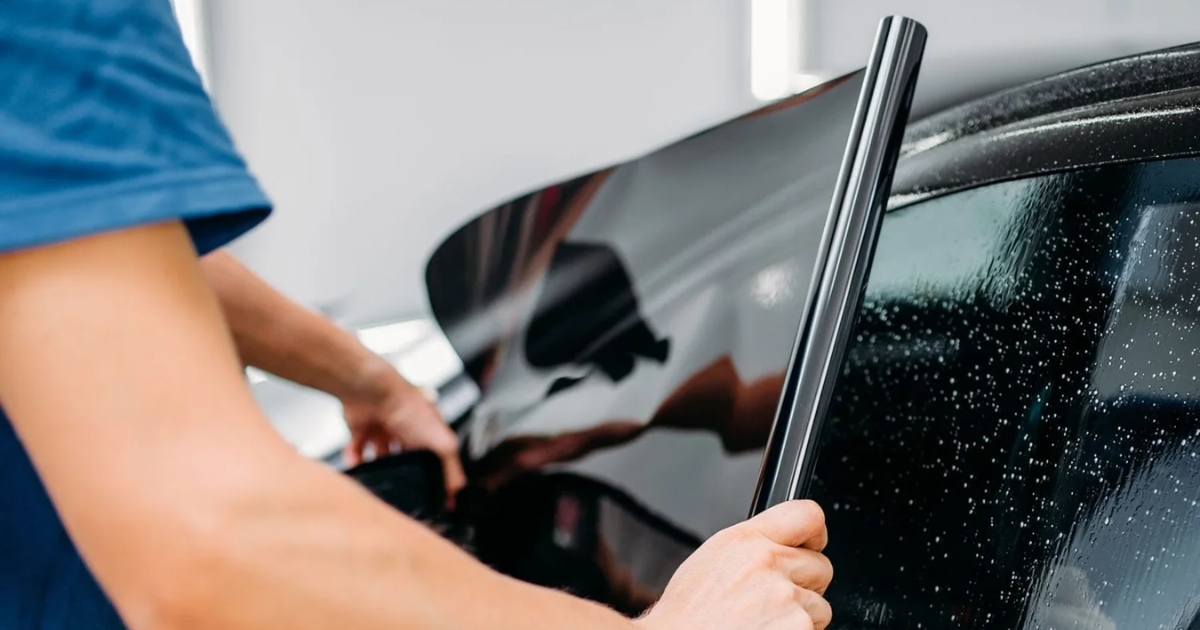
If you’re researching window tint for your car, you’ve probably come across two common options: ceramic tint and metal (metalised) tint. At first glance, they can seem similar. Both promise heat reduction, UV protection, and improved comfort. But once you dig deeper, the differences become much more significant—and those differences matter, especially in Australia’s climate.
Choosing the right tint isn’t just about appearance. It affects how hot your car gets, how well your electronics function, how long the film lasts, and ultimately whether you feel like you made a smart investment or wasted money.
So, is ceramic tint better than metal tint? In most cases, yes—but understanding why will help you make the right decision for your vehicle and your budget.
The most important distinction between ceramic and metal tint comes down to how they handle heat and light. Metal tint is made by embedding tiny metallic particles into the film. These particles reflect sunlight away from the glass, which reduces some heat and glare. This reflective property is what gives metal tint its slightly shiny or mirrored appearance.
Ceramic tint, on the other hand, uses advanced nano-ceramic technology. Instead of reflecting heat, it filters and absorbs different parts of the solar spectrum, particularly infrared radiation. Infrared energy is the primary source of heat buildup inside your vehicle, which means ceramic tint is specifically engineered to target the problem at its source rather than just bouncing light away.
This difference in technology is why ceramic tint is often considered a premium product. It’s not just a variation of standard tint—it’s a more advanced solution designed for performance.
For most drivers, the main reason to tint their windows is simple: heat. Anyone who has stepped into a car after it’s been parked in the Australian sun knows how intense it can get. The steering wheel burns your hands, the seats are uncomfortable, and the air conditioning has to work overtime just to make the cabin bearable.
Metal tint does reduce heat to a degree by reflecting sunlight, but it has limitations. It doesn’t effectively block infrared radiation, which is responsible for the majority of heat entering your vehicle. This means that while it can take the edge off, it often doesn’t deliver the level of comfort people expect.
Ceramic tint is designed specifically to address this issue. By blocking a much higher percentage of infrared heat, it keeps the interior significantly cooler. The difference is noticeable, especially during long drives or when your car has been sitting outside for hours.
In practical terms, this translates to less reliance on air conditioning, better fuel efficiency over time, and a more comfortable driving experience. In a climate like Queensland, where heat is a daily factor for much of the year, this isn’t just a luxury—it’s a meaningful upgrade.
Another critical factor that often gets overlooked is ultraviolet protection. UV rays don’t just affect your skin; they also cause long-term damage to your car’s interior. Dashboards crack, leather fades, and plastics degrade over time when exposed to constant sunlight.
Both ceramic and metal tints offer UV protection, but high-quality ceramic films typically block up to 99 percent of harmful UV radiation. This level of protection helps preserve your vehicle’s interior and can even contribute to maintaining resale value.
For drivers who plan to keep their car for several years, this becomes more than a minor benefit. It’s a way to protect your investment and avoid the gradual wear and tear that sunlight causes.
One of the biggest downsides of metal tint is something many people don’t realise until after installation. Because it contains metal particles, it can interfere with electronic signals. This includes mobile phone reception, GPS navigation, radio signals, and even keyless entry systems.
In older vehicles, this might not seem like a major issue. But modern cars rely heavily on connectivity. Navigation systems, Bluetooth calls, streaming, and smart features are all part of the driving experience now. When those systems don’t work properly, it quickly becomes frustrating.
Ceramic tint avoids this problem entirely. Because it contains no metal, it does not interfere with signals in any way. Your phone, GPS, and onboard systems continue to function exactly as they should. For most drivers today, this alone is a compelling reason to choose ceramic over metal.
Visibility is another area where the difference becomes clear over time. Metal tint often has a reflective quality that can slightly distort visibility, particularly at night. Glare from headlights and streetlights can become more noticeable, and the overall clarity isn’t as sharp.
Ceramic tint is known for its optical clarity. It reduces glare without creating a hazy or mirrored effect, which results in a cleaner, more natural view of the road. This can make a real difference during night driving or in low-light conditions, where visibility is already reduced.
Safer driving isn’t just about technology or skill—it’s also about how clearly you can see your surroundings. A tint that enhances visibility rather than compromising it is always the better choice.
Not all window tints age the same way. Over time, lower-quality films can fade, bubble, or discolour, especially under constant exposure to strong sunlight. Metal tints tend to hold up better than basic dyed films, but they can still degrade over the years.
Ceramic tint is designed for long-term stability. It resists fading and maintains its performance even after prolonged exposure to heat and UV radiation. This means you’re less likely to deal with peeling edges, colour changes, or reduced effectiveness down the line.
When you factor in the cost of replacing tint, durability becomes a significant consideration. Paying less upfront for metal tint might seem appealing, but if it needs to be replaced sooner, the long-term cost can end up being higher.
Appearance plays a role in most car upgrades, and window tint is no exception. Metal tint tends to have a more reflective, sometimes mirrored look. While some drivers like this style, others find it less modern or too noticeable.
Ceramic tint offers a more refined finish. It has a neutral, non-reflective appearance that blends seamlessly with the vehicle’s design. The result is a clean, factory-like look that enhances the car without drawing too much attention.
For those who care about maintaining a premium appearance, ceramic tint generally aligns better with that goal.
The main advantage of metal tint is cost. It is typically more affordable upfront, which can make it appealing for drivers on a tight budget or those looking for a quick solution.
However, focusing only on the initial price can be misleading. When you consider the improved heat rejection, better durability, lack of signal interference, and overall performance of ceramic tint, the value becomes much clearer.
Ceramic tint is an investment. It costs more initially, but it delivers better results and tends to last longer. For many drivers, that combination makes it the more cost-effective option over time.
The right choice ultimately depends on your priorities. If your main concern is keeping costs as low as possible and you’re willing to accept some compromises, metal tint can still serve a basic purpose.
But if you’re looking for a solution that improves comfort, protects your vehicle, works seamlessly with modern technology, and maintains its performance over time, ceramic tint stands out as the better option.
For drivers in Australia, where heat and UV exposure are constant factors, the benefits of ceramic tint are especially relevant. It’s not just about upgrading your car—it’s about making everyday driving more comfortable and sustainable.
Ceramic tint has become the preferred choice for a reason. It represents a step forward in window film technology, offering a combination of performance, durability, and usability that metal tint struggles to match.
While metal tint still has its place in the market, it is increasingly seen as a more basic option. For those who want the best balance of comfort, protection, and long-term value, ceramic tint is the clear winner.
When you’re making a decision that affects your daily driving experience, it’s worth choosing the option that delivers consistently better results. In most cases, that option is ceramic.
At Prestige Protection we offer superior product and premium service for all car protection services. Save up to 50% off dealership prices when you choose us.
© 2026 Prestige Protection. Web Design