
2K or 4K, Front or Rear, and How Much Footage a Card Holds
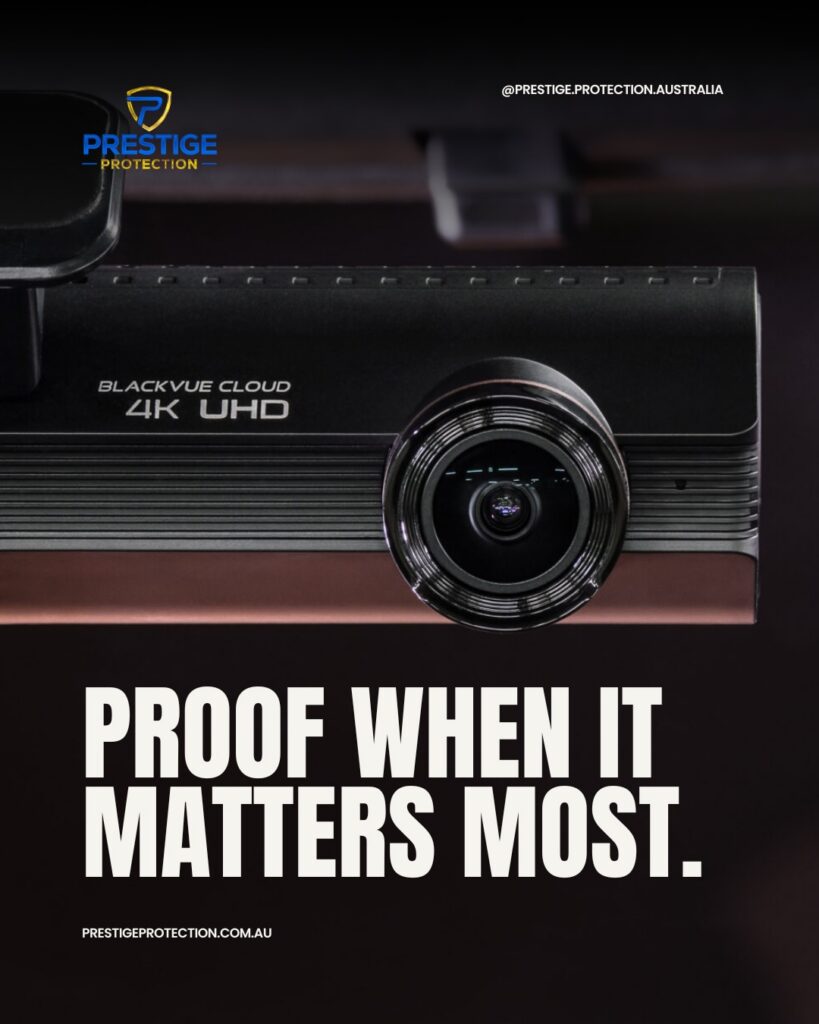
Three decisions, in this order: front and rear or front only, 4K or 2K, and how big a card to put in it. Front and rear matters most, because a forward camera cannot see what hits you from behind. Resolution matters second and mainly at night. Card size matters least until the day you need footage from four days ago and find it has already looped. This guide covers what each choice actually buys, how much footage each card size holds, and what we would pick for most Gold Coast drivers.
How DIY Ceramic Coating Compares to Professional Application

A DIY kit costs $40 to $150 and lasts three to six months. A professional coating starts at $995 and carries an 8 to 10 year warranty. Almost all of that gap is preparation rather than product, because the coating itself is the quickest step in a professional job. The cost nobody prices in is failure: a cured DIY coating with high spots cannot be washed off, it has to be machine polished, so a $60 bottle can create a $400 problem. This guide covers the six ways home applications fail, and how to do it properly if you are going ahead.
Studio vs Mobile Car Protection and Why the Environment Matters

Mobile suits work that can be redone, and a studio suits work that cannot. Washing, decontamination, spray top-ups and interior detailing are perfectly good mobile jobs. Machine correction and ceramic coating depend on controlling dust, light, temperature and cure time, and a driveway controls none of them. The failures are permanent rather than cosmetic: a coating that flashes off on a hot panel leaves high spots that have to be polished out, and anything trapped under a clear layer stays there. This guide covers what goes wrong outdoors and the questions to ask before booking anyone.
Does Your Car Need Ceramic Coating or Paint Protection Film?

Ceramic coating and paint protection film solve different problems, so choosing between them is usually the wrong question. A coating handles UV, chemical etching, water spotting and the swirl marks that come from washing. Film is thick urethane that absorbs impact, and it is the only one of the two that stops a stone chip. This guide gives the honest case for film, the honest case against it, and where we land and why. We fit coatings, not film, and we will tell you when film is the better answer for your car.
Does Darker Window Tint Mean Better Heat Rejection?

Darker tint does not block more heat, and the two things are measured separately for good reason. How dark a film looks is visible light transmittance. How much heat it stops is infrared rejection and total solar energy rejected. Most of the heat you feel is infrared, which is invisible, so a light ceramic film can outperform a much darker dyed one. This guide explains the three numbers worth asking for, why the distinction matters most on your front windows where Queensland law caps how dark you may legally go, and how to choose a film on specification rather than shade.
Is Ceramic Tint Better Than Metal Tint?

Ceramic tint rejects more heat at the same legal shade, keeps a neutral non-reflective appearance and contains no metal, so it cannot interfere with your phone, GPS, tyre pressure sensors or keyless entry. Metal tint is cheaper and still rejects heat well, but it works by reflecting, and that conductive layer is what causes the signal problems. This guide compares the two on heat rejection, interference, appearance and how they age, and explains why the gap matters most on your front windows, where Queensland law caps how dark you may legally go.