
Window Tinting for Boat Cabins and Marine Glass

A boat cabin in a Queensland summer is a greenhouse, and it takes UV from two directions because water reflects a serious amount of it straight back up through your glass. Film cuts the infrared that carries most of the heat, blocks the UV that fades upholstery and timber, and reduces glare at dawn and dusk. This guide covers why darkness and heat rejection are different measurements, how the rules differ on the water, why marine glass and acrylic need a different approach to car windows, and what you actually notice afterwards.
Window Tinting and Skin Cancer Risk for Australian Drivers
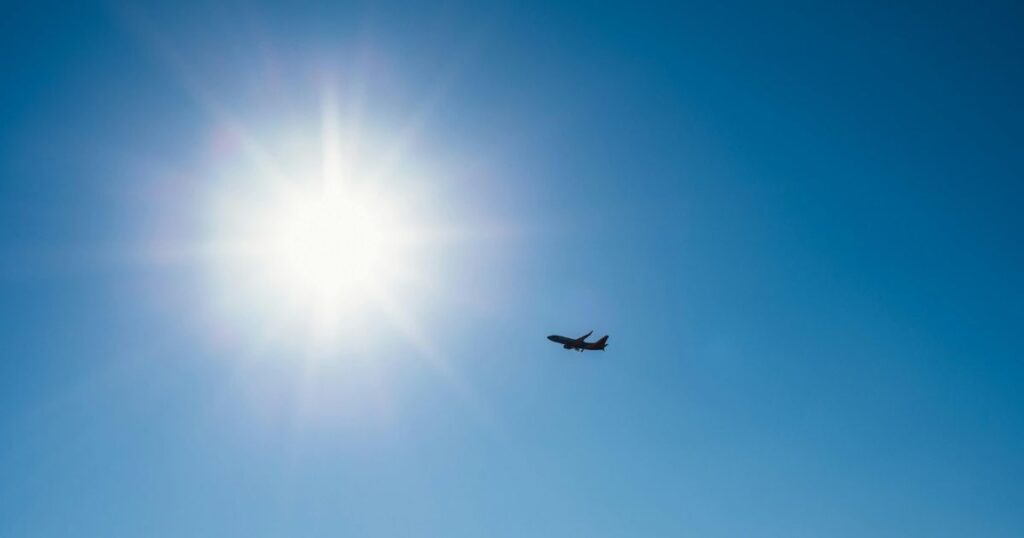
Your windscreen already protects you, but your side windows largely do not. Laminated windscreen glass blocks around 98 per cent of UVA, while the tempered glass in your side and rear windows can transmit as much as 79 per cent of it. Because that same glass stops most of the UVB that causes sunburn, exposure accumulates without the usual warning. Cancer Council Australia states that clear or tinted film reduces total UV penetrating tempered glass by over 99 per cent, and clear film protects as effectively as dark film, so the legal limits are no obstacle.
Just Bought a New Car? Here’s What to Do First
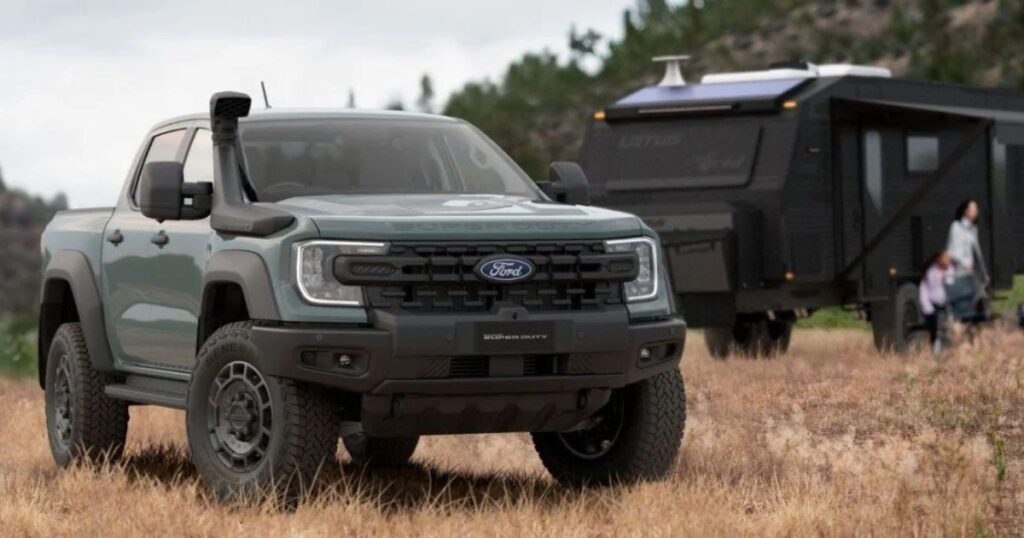
Decline the paint protection add-on at the finance desk, inspect the paint in daylight before you sign, avoid automatic washes, and book protection within the first month. A new car is the cheapest car you will ever protect, because the expensive part of the job is correcting damage that has already happened and a new car has almost none. New does not mean flawless though, since the pre-delivery wash is a common source of fine swirl marks. This guide gives you the inspection method, a thirty day timeline, and what to spend on first when the budget is limited.
Does Darker Window Tint Mean Better Heat Rejection?
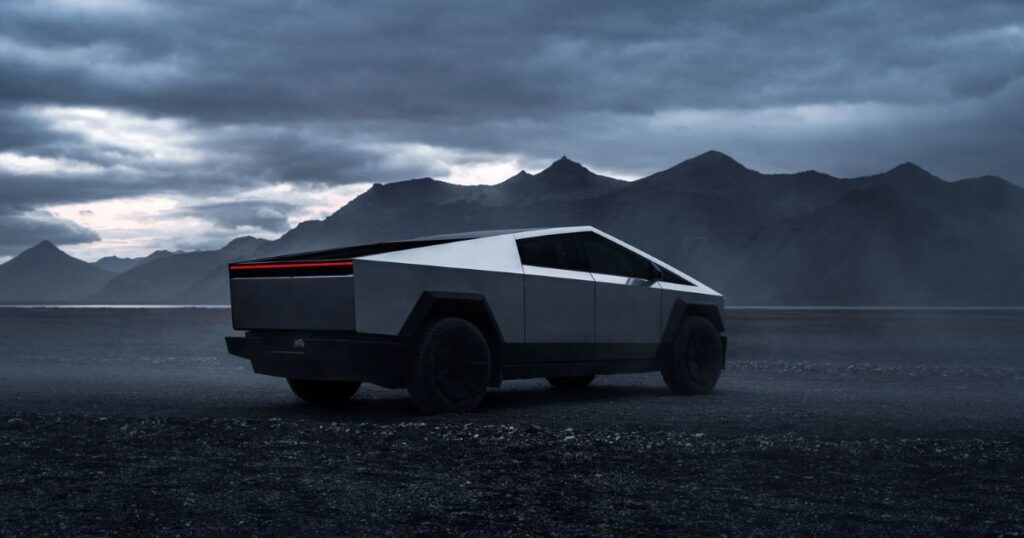
Darker tint does not block more heat, and the two things are measured separately for good reason. How dark a film looks is visible light transmittance. How much heat it stops is infrared rejection and total solar energy rejected. Most of the heat you feel is infrared, which is invisible, so a light ceramic film can outperform a much darker dyed one. This guide explains the three numbers worth asking for, why the distinction matters most on your front windows where Queensland law caps how dark you may legally go, and how to choose a film on specification rather than shade.
How to Look After Your Window Tint and Make It Last
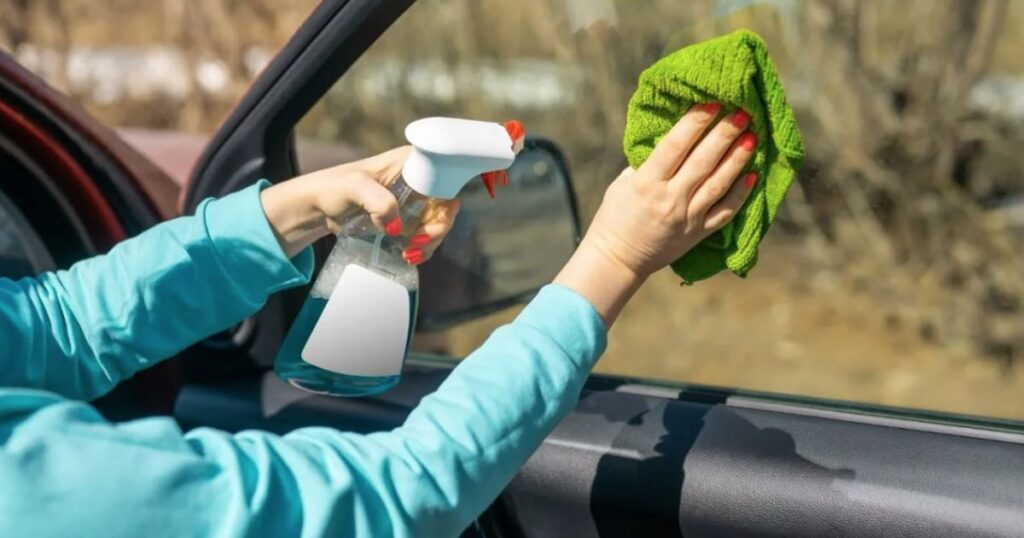
Tint needs very little care, but the first few days and the cleaner you reach for are where most of it gets damaged. Keep the windows up while the adhesive cures, and never use anything containing ammonia, because it attacks both the adhesive and the film. This guide covers what to expect during curing, how to clean the inside glass without lifting the edges, what to watch for around the perimeter, how to handle rear demister lines, and how to tell normal curing haze apart from a film that is actually failing.
Why Window Tint Turns Purple and Bubbles Over Time
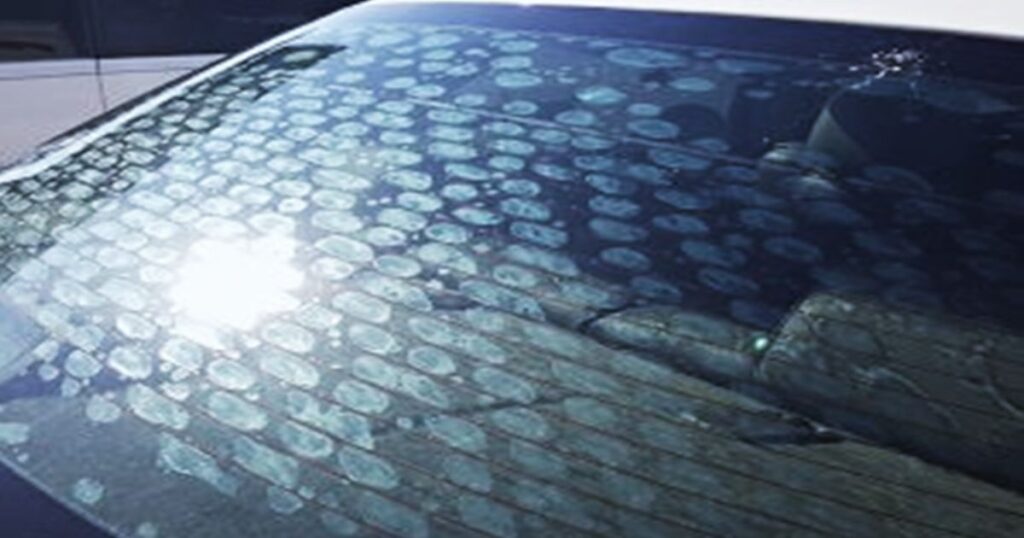
Purple tint and bubbling are two different failures with two different causes. Purple means the dye inside a cheap film has broken down under UV, leaving only red pigment behind. Bubbling means the adhesive holding the film to the glass has let go, either from contamination at installation or from heat and UV the film was not built to take. Neither is repairable and neither is normal ageing. This guide explains what each pattern tells you, how dyed, metallised and ceramic films differ, and when failing tint stops being cosmetic and starts being a roadworthy and safety problem.
What You Need to Know About Window Tint Laws in Queensland
Queensland sets a minimum of 35 per cent visible light transmittance on your front side windows and 20 per cent behind the driver, but the 20 per cent only applies if your car has a mirror on each side, and the limit is measured on the film and glass combined rather than the film alone. Factory-tinted glass changes what you can legally fit, privacy glass plays by different rules entirely, and the windscreen band is governed by your wiper sweep line rather than a flat percentage. This guide sets out each figure from the Department of Transport and Main Roads, and what an inspector actually measures.
What New Car Protection Packages Include and Why They Matter
Package is a word that hides a lot. Two quotes at the same price can contain very different amounts of work, and the difference is almost always preparation rather than products. This guide breaks a new car protection package into its line items and shows which ones get quietly skipped. The coating itself is $995, $1,395 or $1,795 depending on the product, carrying 8, 9 and 10 year warranties, with paint correction quoted separately from $100 for the first hour. You also get six questions that tell you what you are really buying before you accept a quote.
Should You Buy Ceramic Coating and Window Tint From a Car Dealership?

Usually not, and the reason is structural rather than dishonest. Paint protection is sold in the finance office because that is where margin is added, so the job is fast, uncorrected and quoted at $800 to $1,500. It is also rarely paid separately: rolled into the amount financed, a $1,200 sealant accrues interest across the whole loan term. The tint half is the sharper problem, since an unnamed film at an unspecified darkness can become a defect notice you pay to fix. This guide covers the warranty conditions to read, what to ask, and what to do if you have already signed.
Is Ceramic Tint Better Than Metal Tint?
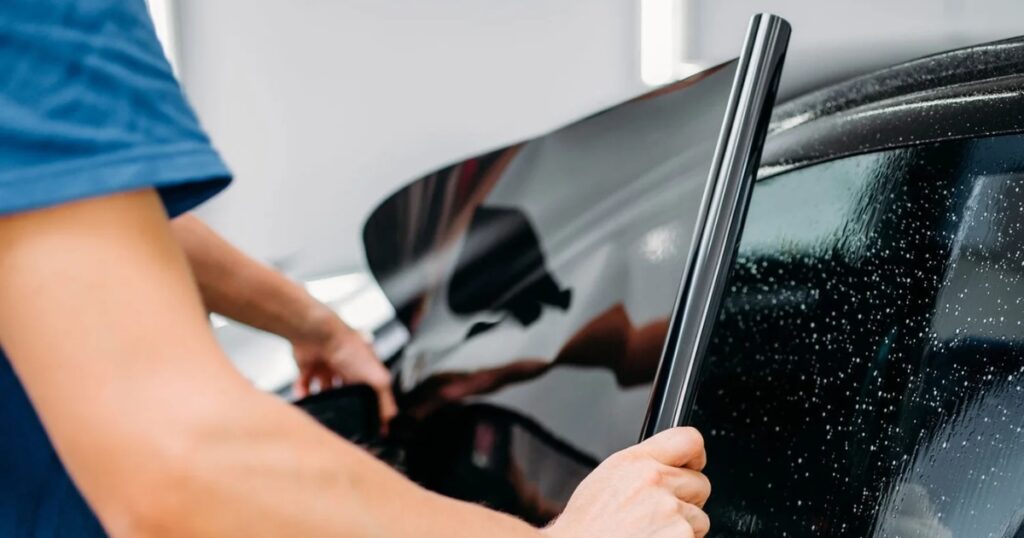
Ceramic tint rejects more heat at the same legal shade, keeps a neutral non-reflective appearance and contains no metal, so it cannot interfere with your phone, GPS, tyre pressure sensors or keyless entry. Metal tint is cheaper and still rejects heat well, but it works by reflecting, and that conductive layer is what causes the signal problems. This guide compares the two on heat rejection, interference, appearance and how they age, and explains why the gap matters most on your front windows, where Queensland law caps how dark you may legally go.