
Interior damage is quieter than exterior damage and considerably harder to undo. A faded dash, a cracked steering wheel, leather that has gone hard and split at the bolster, a headlining that has started to sag: none of that polishes out. Where paint can be corrected, most interior damage is a replacement or a re-trim.
Queensland Health advises the state records a UV index of 3 or above all year round, including through winter, and a parked car concentrates that through the glass onto the same surfaces day after day. Add cabin temperatures that get well above ambient and humidity that never really lets up, and you have the three things that age an interior.
| Surface | What the sun and heat do | How recoverable it is |
|---|---|---|
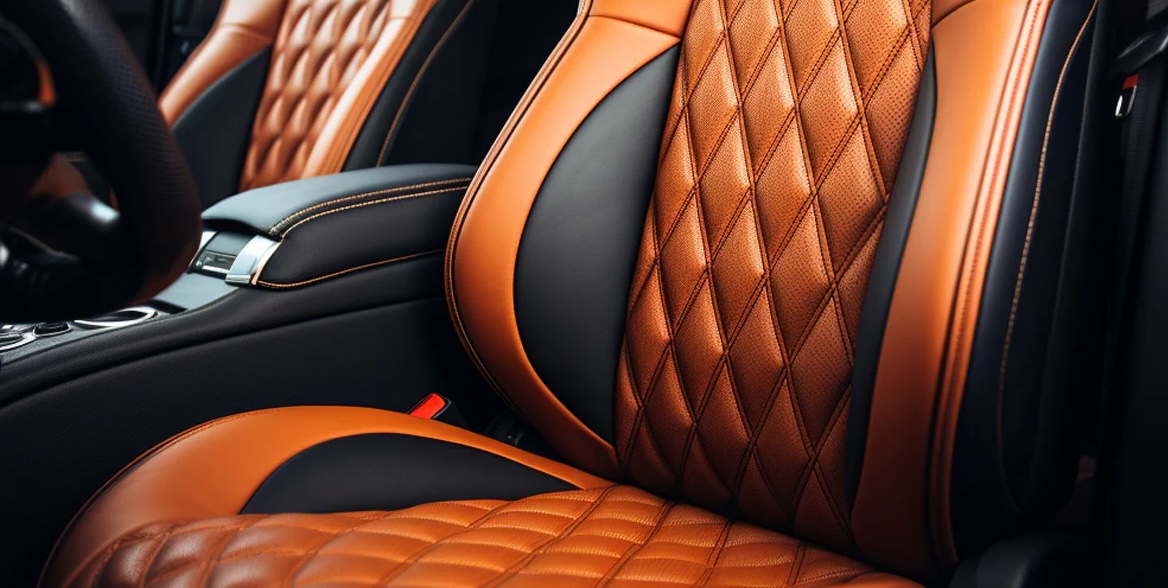
| Leather | Dries out, loses flexibility, cracks at bolsters and seams | Conditioning helps early, cracking is permanent |
| Vinyl and dash plastics | Fade, go chalky, become brittle and crack | Fade is not reversible, cracking means replacement |
| Fabric seats | Fade unevenly, weaken where the sun hits | Not reversible, and mismatched patches are obvious |
| Steering wheel | Heat and hands together break down the finish | Re-trim rather than repair |
| Adhesives and headlining | Heat weakens them until the lining sags | Replacement |
| Screens and trim films | Delaminate and discolour with prolonged heat | Replacement |
The pattern to notice is that almost everything in that right hand column says replacement. That is the argument for prevention in a nutshell, and it is why interiors are worth treating before they need anything rather than after.
UV is the main one, and it is doing its work whether it feels hot or not. It breaks down dyes, plasticisers and adhesives, which is why an old dash goes chalky and brittle rather than simply looking faded.
Heat is the second. A closed car in the sun reaches temperatures far above the outside air, and that accelerates everything: it drives moisture out of leather, softens adhesives, and makes plastics brittle over time.
Humidity is the third and the one people forget. In a car that sits closed up for weeks, moisture and warmth give mould a genuine chance on fabric, carpets and seat belts, particularly if anything damp has been left inside.
Cutting the UV and heat load at the glass is the highest leverage thing, because it addresses the cause rather than the symptom. That is what window film does, and most of the heat you feel is infrared rather than visible light, which is why a film can take a lot of it out without making the car noticeably darker. The detail is in does darker tint mean better heat rejection.
Then treat the surfaces themselves. Protecting leather, vinyl and fabric early keeps them flexible, slows fade and makes the inevitable spills recoverable rather than permanent, which is what our interior protection service is for. Fabric treatment in particular earns its keep the first time something is spilled.
The free things matter too. Park in shade where you can, use a windscreen shade when you cannot, crack the windows slightly if it is safe to, and do not leave damp towels, wet swimmers or gym gear in a closed car through a Queensland summer.
Utes and work vehicles get the worst of it, because they are parked outside all day by definition and the interior takes tools, dirt and sun in equal measure. Family cars have their own version, with food, drinks and car seats concentrating wear into specific areas.
In both cases the calculation is the same. Treating an interior costs a fraction of replacing trim or re-trimming seats, and on a vehicle you intend to keep or sell, interior condition is one of the first things anyone notices when they open the door.
If you want the glass and the surfaces sorted at once, get in touch and we will look at the vehicle. Combining interior work with tinting or coating is also where we can discount the package rather than charging separate visits.
Yes, and it is the most effective single step because it reduces the UV and heat reaching the surfaces in the first place. Film blocks the overwhelming majority of UV, which is what breaks down dyes, plasticisers and adhesives.
Not genuinely. Dressings can make a faded dash look better temporarily, but the fade is degradation of the material rather than dirt on top of it. That is why prevention matters more here than on paint.
For the cracks, yes, since that is physical failure of the surface. Conditioning the rest will slow further damage and keep what is still sound flexible, which is worth doing, but it will not close cracks that have opened.
Keep it dry and let it breathe. Do not leave damp items inside, air it out periodically rather than leaving it sealed for months, and deal with any water leak promptly, since a leak plus Queensland humidity is what turns a closed car into a problem.
It depends what condition the interior is in. On surfaces that are still sound it slows further deterioration and makes cleaning easier, which is worthwhile. On surfaces that have already cracked or faded, it will not undo that, and we will tell you so before quoting.
They help, because they cut direct sun on the dash and steering wheel, which are the surfaces that take the most heat and show damage first. They are not a substitute for film, since they only cover one window and only when you remember, but they cost very little.
At Prestige Protection we offer superior product and premium service for all car protection services. Save up to 50% off dealership prices when you choose us.