
Not if it is wired properly. A dash cam draws very little power while you are driving, and the entire question is about what happens when the engine is off. That is when a camera in parking mode is running off your battery, and it is why how the camera is installed matters more than which camera you bought.
Hardwiring is what makes parking mode possible in the first place. Plug a camera into the accessory socket and in most cars it simply switches off with the ignition, which means no parking mode, a cable hanging across your dash, and a socket you cannot use for anything else.
Parking mode keeps the camera watching while the vehicle is off and unattended. Depending on the camera and how it is set up, it can record continuously at a lower frame rate, or sit dormant and start recording when it detects impact or motion. That is the mode that catches the car park knock, the trolley, and the person who reverses into you and leaves.
It is also the only mode that draws on your battery for hours at a time, which is where the concern comes from and why it needs to be set up deliberately rather than left on maximum by default.
A hardwired install is set up so the camera stops drawing power before your battery drops to a level that would leave you stranded. That is the whole point of doing it properly. There is also usually a time limit option, so parking mode runs for a set number of hours rather than indefinitely.
How conservatively that is configured is a judgement call about how you use the car, and it is worth having the conversation rather than accepting a default. A car that sits at an airport for a week needs different settings to one parked outside a house overnight and driven daily.
| Factor | Why it matters |
|---|---|
| How the camera is powered | Hardwired with a cut-off protects the battery. A socket plug usually just switches off |
| Battery age and condition | A tired battery has far less reserve, and parking mode will find that out |
| How long the car sits | Overnight is easy. A week at long-term parking is a different question |
| Parking mode type | Motion and impact triggered draws far less than continuous recording |
| How often you drive | Short trips do not fully recharge a battery, and that adds up over weeks |
The honest summary is that a healthy battery in a car driven regularly, with a properly configured hardwired camera, is not something to worry about. An old battery in a car that does short trips and then sits for days is worth a conversation before you switch continuous parking mode on.
Beyond losing parking mode, a socket install means a visible cable, a camera that can be pulled loose, and a socket occupied permanently. It also tends to mean the camera is mounted wherever the cable reaches rather than where it should be, which is high and central behind the mirror where it sees the most and blocks the least.
A hardwired install runs the cable behind the headlining and down the pillar trim, so there is nothing visible and nothing to snag. That is the difference between a camera that looks like an accessory and one that looks like it came with the car.
Say so before the install. If a battery is near the end of its life, parking mode is not the cause of the eventual failure but it will bring the day forward, and it is far better to know that in advance than to discover it in a car park. We would rather set the camera up conservatively, or suggest sorting the battery first, than have you back with a flat car and a bad experience.
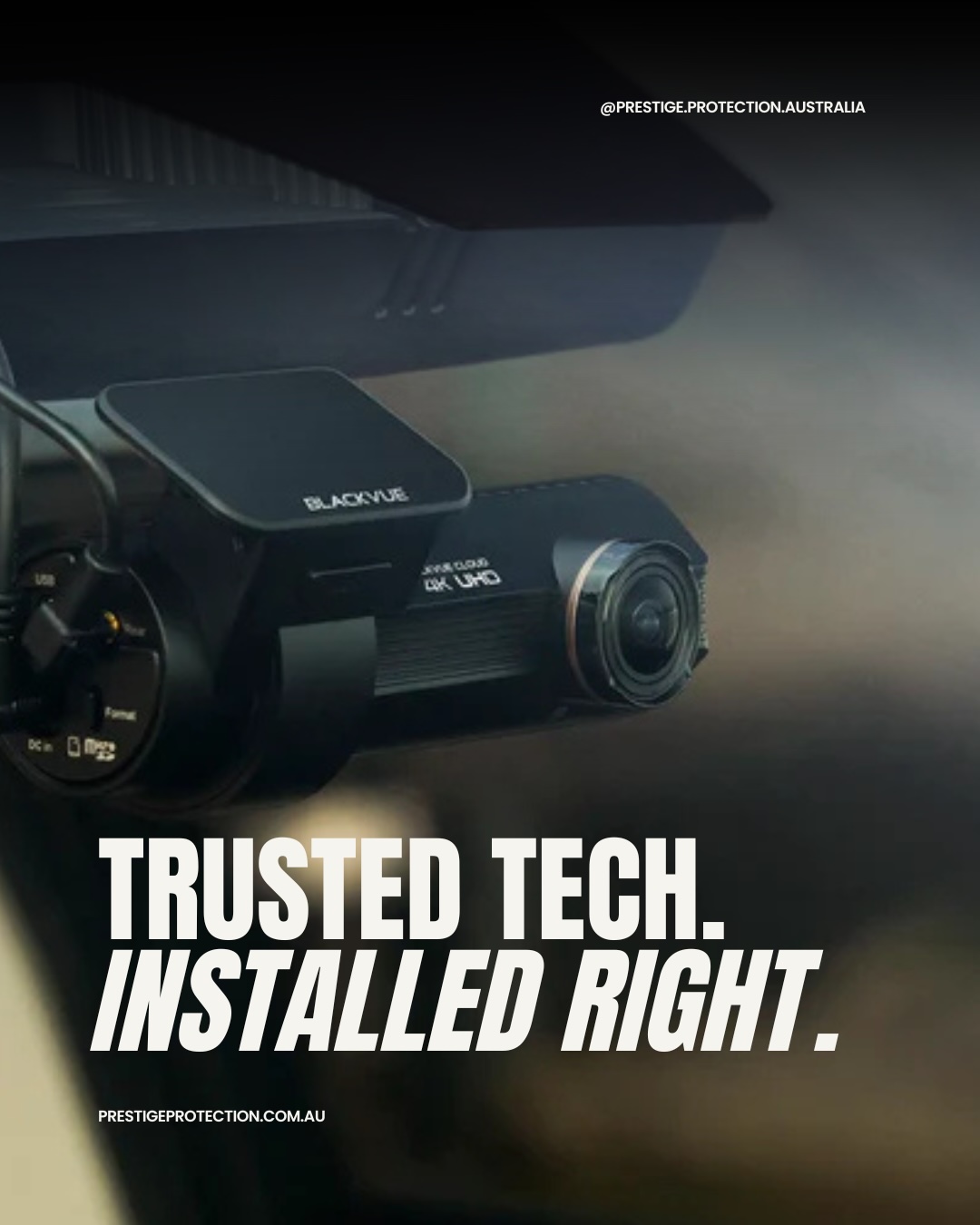
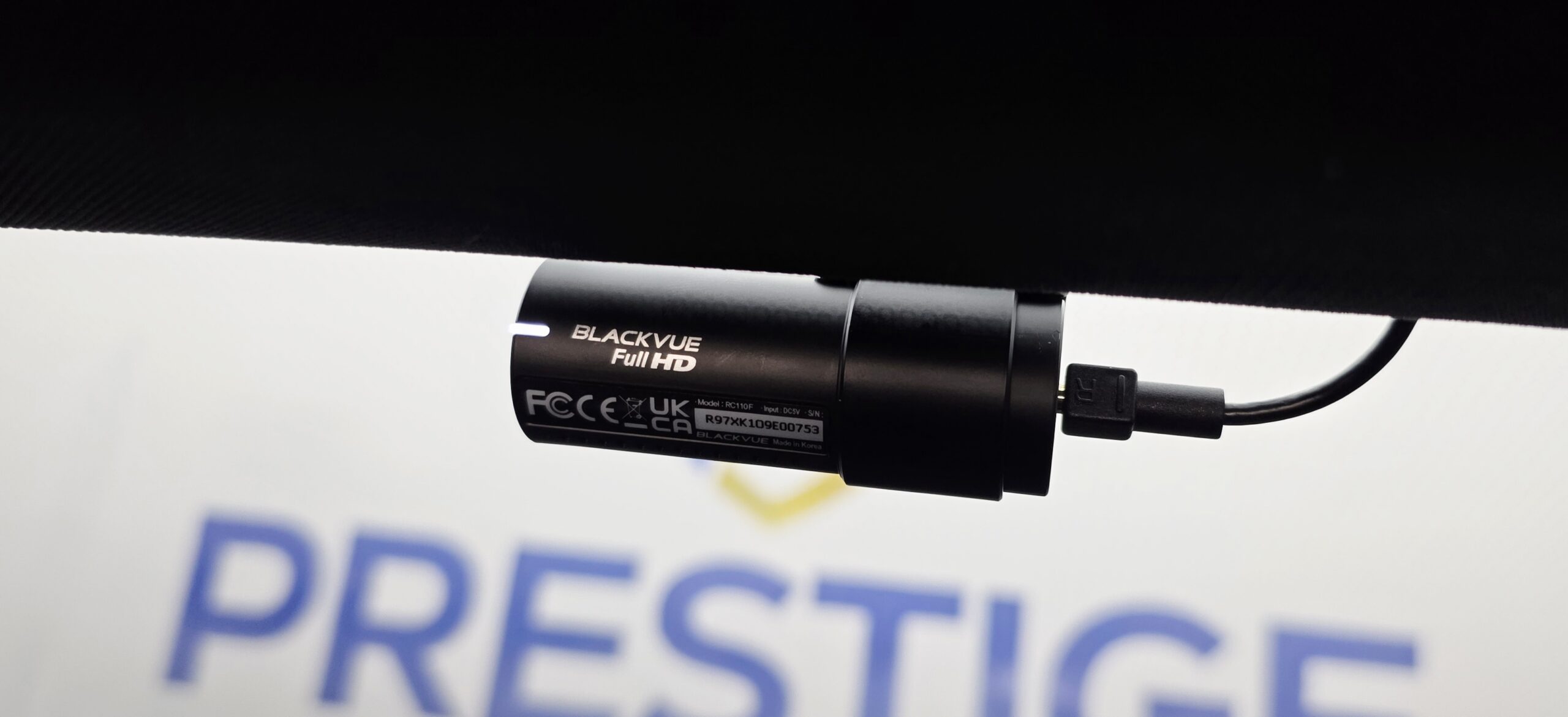
We are an Authorised BlackVue Retailer and Installer and everything we fit is hardwired with a 3 year warranty. Options and pricing are on our dash cam installation page, and if you want to talk through parking mode for how you actually use the car, get in touch.
Not with a properly configured hardwired install, which stops drawing power before the battery reaches a level that would leave you stranded. The risk rises with an old battery, a car that sits for long periods, or continuous parking mode left running without limits.
It depends where the car spends its time. If it is parked in public car parks, on the street, or at work all day, parking mode is the feature that catches the incidents you are not present for. If it lives in a locked garage, it matters far less.
Not usually on continuous recording, and this is exactly where settings matter. Motion or impact triggered modes draw far less, and a time limit means the camera stops after a set number of hours rather than running until the battery is flat.
A professional install using the correct connections should not, and it is one reason to have it done properly rather than spliced in by whoever has a roll of electrical tape. If you have specific concerns about your vehicle, raise them before the install.
You can plug one into the accessory socket easily enough. Hardwiring it correctly, routing the cable behind the trim and setting up power management is the part worth paying for, and it is what separates a camera that works when you need it from one that looks messy and switches off with the ignition.
Most take one to two hours. If you are local we are happy to give you a lift to work or home while we do it, and you collect a fully hardwired system with a 3 year warranty.
At Prestige Protection we offer superior product and premium service for all car protection services. Save up to 50% off dealership prices when you choose us.