
Window Tinting for Boat Cabins and Marine Glass

A boat cabin in a Queensland summer is a greenhouse, and it takes UV from two directions because water reflects a serious amount of it straight back up through your glass. Film cuts the infrared that carries most of the heat, blocks the UV that fades upholstery and timber, and reduces glare at dawn and dusk. This guide covers why darkness and heat rejection are different measurements, how the rules differ on the water, why marine glass and acrylic need a different approach to car windows, and what you actually notice afterwards.
Why Window Tint Turns Purple and Bubbles Over Time
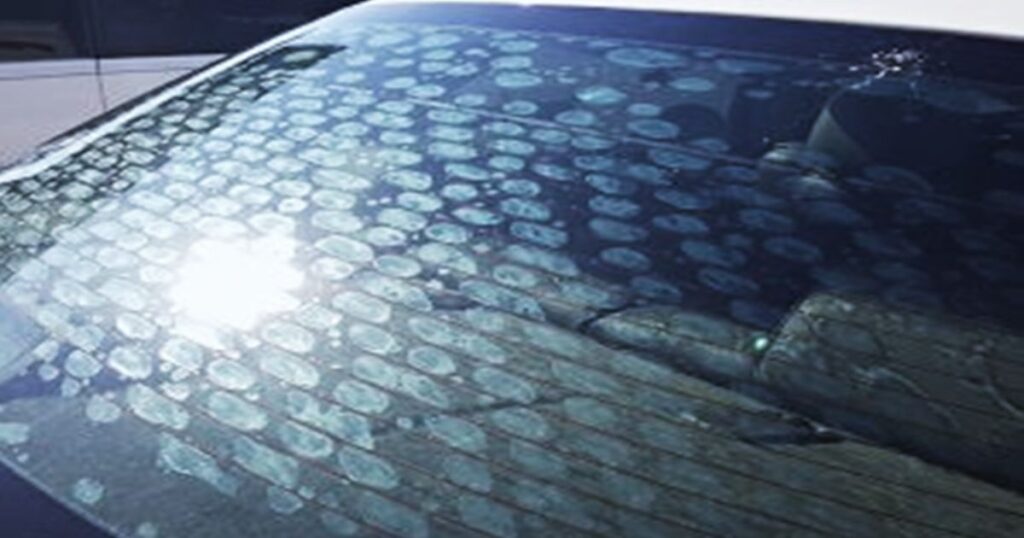
Purple tint and bubbling are two different failures with two different causes. Purple means the dye inside a cheap film has broken down under UV, leaving only red pigment behind. Bubbling means the adhesive holding the film to the glass has let go, either from contamination at installation or from heat and UV the film was not built to take. Neither is repairable and neither is normal ageing. This guide explains what each pattern tells you, how dyed, metallised and ceramic films differ, and when failing tint stops being cosmetic and starts being a roadworthy and safety problem.
What You Need to Know About Window Tint Laws in Queensland
Queensland sets a minimum of 35 per cent visible light transmittance on your front side windows and 20 per cent behind the driver, but the 20 per cent only applies if your car has a mirror on each side, and the limit is measured on the film and glass combined rather than the film alone. Factory-tinted glass changes what you can legally fit, privacy glass plays by different rules entirely, and the windscreen band is governed by your wiper sweep line rather than a flat percentage. This guide sets out each figure from the Department of Transport and Main Roads, and what an inspector actually measures.