
Presentation moves the price more than most sellers expect, and it moves it most on the things a buyer can assess in ten seconds from three metres away. Paint that reflects cleanly, an interior that smells and feels cared for, and glass without haze do more for a sale price than a folder of receipts, unfair as that is.
The trap is spending money in the wrong place. Some of what sellers do adds nothing, and one or two things actively cost you. Here is where it genuinely lands.
A buyer cannot assess your service history in the first minute, so they use proxies. Swirled, flat paint reads as neglect regardless of what is in the logbook. A stained or smelly interior reads as neglect twice over, because it suggests how the car was lived in. Hazy or purpling window film reads as cheap and as something they will have to pay to remove.
None of that is really about aesthetics. It is a buyer estimating risk, and every signal of neglect makes them assume there is more they cannot see.
| What | Effect on price | Worth doing? |
|---|---|---|
| Proper wash, decontamination and interior detail | High for the cost | Always. This is the cheapest lift available |
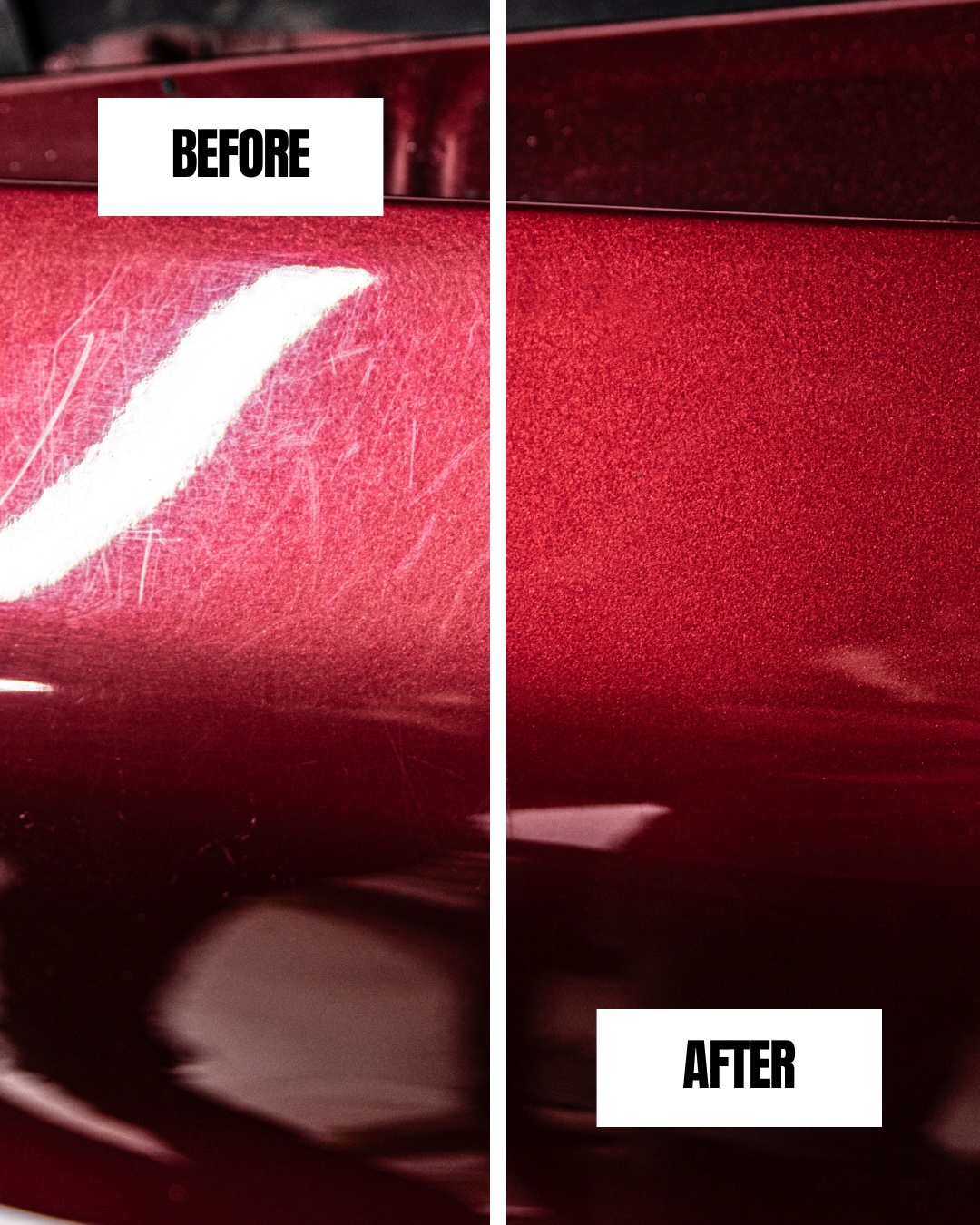
| Paint correction | High on a dull or swirled car | Usually, especially on dark colours |
| Interior treatment and odour removal | High if the interior is tired | Yes, and it changes the first impression completely |
| Replacing failed window film | Moderate, and removes an objection | Yes if it is purple or bubbling |
| Ceramic coating | Low as a direct price lift | Only if you were keeping the car anyway |
| Touching up stone chips | Moderate | Yes, cheap and removes a talking point |
| New tyres | Depends | Only if they are genuinely near the end |
| Fixing warning lights | High | Always. A light on the dash kills confidence instantly |
That coating row deserves the honesty. A ceramic coating applied specifically to sell a car is unlikely to return its cost, because most buyers will not pay a premium for it and many will not know what it is. The correction underneath it is what lifts the price. If the car is already coated, say so and show the paint. If it is not, corrective work is the better spend.
On a motorcycle, chrome condition is the first thing anyone looks at, and pitting reads as neglect in a way a scratch does not. Bringing chrome back and getting the paint right matters more per dollar here than on a car, because there is so much less to look at and every surface is on display.
On a boat, buyers look at the gelcoat and immediately estimate what bringing it back will cost them. A chalky hull is the single biggest visual deduction, and it is also the most improvable, which is why cutting and polishing before sale usually pays for itself. That process is covered in why boats go chalky and how much comes back.
Cheap tint fitted to make a car look better before sale is the classic own goal. If it is not legal, the buyer inherits a defect notice, and any buyer who knows that will use it against you. Purple or bubbling film should be removed rather than left, and removal is a real cost you should factor in.
Aggressive machine polishing by someone inexperienced is the other one. Burning through an edge or leaving holograms creates a problem that is visible to anyone who looks at the car in sunlight, and it is far worse than the dullness you were trying to fix.
And do not over-detail an engine bay to the point it looks suspicious. A clean engine bay is good. One that has clearly been degreased and dressed the day before invites the question of what was being hidden.
Fix anything that lights up the dash. Then wash and decontaminate properly, then correct the paint if it is dull, then do the interior thoroughly, then deal with failed film and obvious chips. That order front-loads the cheap high-impact work and stops you spending on a coating before the basics are done.
If you want the paint assessed before you list it, bring it in and we will tell you honestly whether correction will move the needle on your car or whether a good detail is all it needs.
Not directly in most cases, because buyers rarely pay a premium for one and many do not know what it is. What lifts the price is the paint condition, and correction is what delivers that. If a car is already coated it presents better for longer, which helps, but coating a car purely to sell it seldom returns the cost.
Usually, especially on dark colours where swirls are obvious in daylight. Flat, swirled paint reads as neglect and buyers discount for it heavily, so correction is one of the few pre-sale spends that reliably returns more than it costs.
If it has gone purple or is bubbling, yes. It is the most visible sign of a cheap job on the car and buyers know removal is a cost. Leaving it invites an easy negotiation point against you.
Chrome condition, then paint. Chrome is what everyone looks at first, and pitting reads as long-term neglect. There is far less surface on a bike than a car, so every part of it is being assessed.
The gelcoat. A chalky hull is the biggest visual deduction and buyers immediately price in what it will cost them to fix. It is also highly improvable, which is why cutting and polishing before sale usually pays.
Enough to remove obvious objections and no more. A thorough detail, correction if the paint is dull, the interior properly done and any failed film dealt with. Beyond that you are spending your own margin on things a buyer will not pay for.
At Prestige Protection we offer superior product and premium service for all car protection services. Save up to 50% off dealership prices when you choose us.