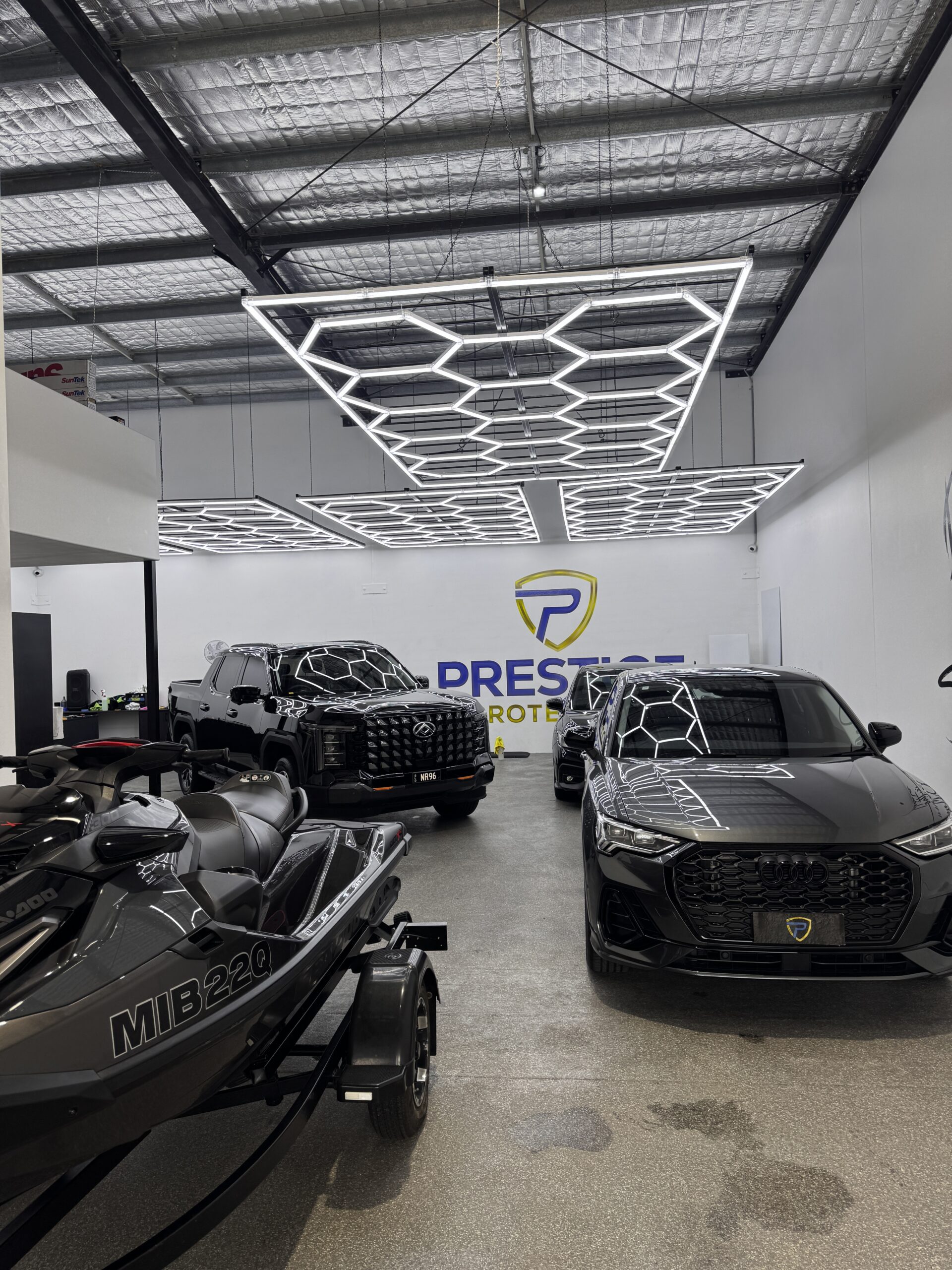

Rust on the Gold Coast is not really about rain. It is about salt. Salt in the air settles on every surface of your vehicle, holds moisture against metal long after everything looks dry, and turns ordinary humidity into an electrolyte that lets corrosion get going. That is why a car here can develop problems that the same car would not develop inland, and why the fix is mostly about removing salt rather than sealing anything.
The good news is that the highest value things you can do cost almost nothing and none of them involve buying a product.
Almost never on the panels you look at. It starts where salt collects, stays wet longest and nobody inspects: the underbody and chassis rails, inside sills and door bottoms where drain holes block up, around suspension mounts, at the seams and spot welds, and anywhere a stone chip or scratch has broken through the paint to bare metal.
The pattern matters because it tells you where to aim. Washing the parts you can see is pleasant and does very little for corrosion. Rinsing the underside is unglamorous and does most of the work.
Rinse the underbody with fresh water after any beach trip, boat ramp visit or run along the coast, and do it before the salt dries. Salt does its damage once it dries and concentrates, so timing beats thoroughness. A quick rinse the same day is worth more than a proper wash on the weekend.
If you tow a boat, this goes double. Backing a trailer into salt water and then driving home means your tow vehicle has had salt water thrown over the rear underbody, the tow bar and the wiring connections. That is one of the fastest ways to introduce corrosion to a vehicle that is otherwise well looked after.
| What | Why it matters |
|---|---|
| Drain holes in doors, sills and tailgate | Blocked drains hold water inside a panel, which rusts from the inside out |
| Stone chips and scratches through to metal | Bare metal in coastal air corrodes quickly, and touching them up is cheap |
| Tow bar, wiring plug and rear underbody | Takes the worst of the salt on any vehicle that launches a boat |
| Seams, spot welds and panel joins | Salt collects in them and they are where surface rust turns structural |
| Under carpets and in the spare wheel well | Water leaks show up here first and go unnoticed for years |
| Roof rack feet and aerial bases | Anything screwed through the body is a path to bare metal |
None of that needs a workshop. A torch, half an hour and a willingness to lie on the ground covers most of it, and it catches problems while they are still cosmetic.
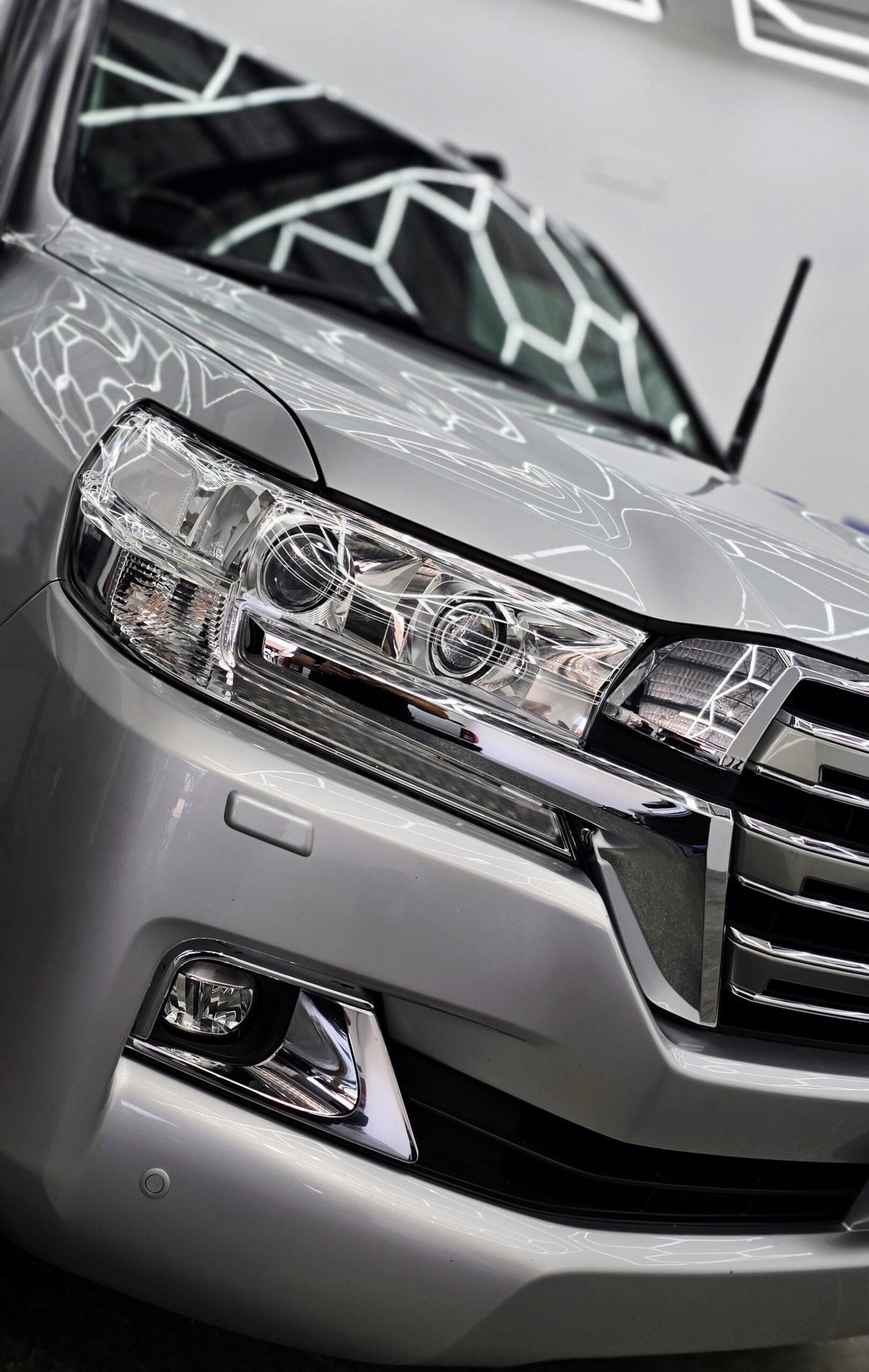
A ceramic coating protects painted surfaces against UV, chemical etching and wash damage, and it makes salt far easier to rinse off rather than letting it key into the paint. That is a real contribution to keeping paint intact, and intact paint is what keeps metal from being exposed in the first place.
What it does not do is protect the underbody, the chassis or the inside of a sill, because it is not applied there. Nobody should be selling you a paint coating as rust prevention for the parts of the car that actually rust. We also offer electronic rust protection as a separate service, and if that is something you are weighing up, the sensible approach is to talk it through against how and where you actually use the vehicle rather than treating any single product as the whole answer.
The honest hierarchy is this: keep the salt off, keep the paint intact, keep the drains clear, and fix chips early. Those four cost almost nothing and prevent most of what we see.
Deal with it while it is surface. Bubbling paint means corrosion is already working underneath and spreading sideways, and the cheap window closes quickly. Small chips and scratches can be touched up in an afternoon. Rust that has been left for two summers near the coast tends to become panel work.
If you want the paint properly protected before the next summer, our ceramic coating service starts with an inspection, and you can book that here. Bring up any spots you have noticed and we will tell you honestly whether it is a coating conversation or a panel shop one.
Yes. Airborne salt settles on vehicles well inland of the actual beach, holds moisture against metal and accelerates corrosion considerably compared to a dry inland climate. It is the main reason coastal vehicles need habits that inland ones can get away with skipping.
It protects painted surfaces and makes salt easier to rinse off, which helps keep paint intact, and intact paint is what stops metal being exposed. It does not protect the underbody, chassis or inside of panels, because it is not applied there. Anyone selling a paint coating as underbody rust prevention is overstating it.
After any trip to the beach, a boat ramp or a long run along the coast, ideally the same day before the salt dries. Beyond that, including the underside in your normal wash rather than only rinsing what you can see is the habit that matters.
Usually, and it means corrosion is already working underneath rather than sitting on the surface. It spreads sideways under the paint, so the sooner it is assessed the smaller the repair. Bubbling is the point at which this stops being a maintenance question.
It can be, but inspect the rear underbody, tow bar, wiring and chassis rails properly rather than the paint. Salt water immersion at ramps is hard on those areas specifically, and that is where the evidence will be if there is any.
It is a separate service to anything applied to paint, and whether it suits you depends on the vehicle and how you use it. Worth a conversation rather than a blanket answer, and worth doing alongside the basics rather than instead of them.
At Prestige Protection we offer superior product and premium service for all car protection services. Save up to 50% off dealership prices when you choose us.