
Why Window Tint Turns Purple and Bubbles Over Time
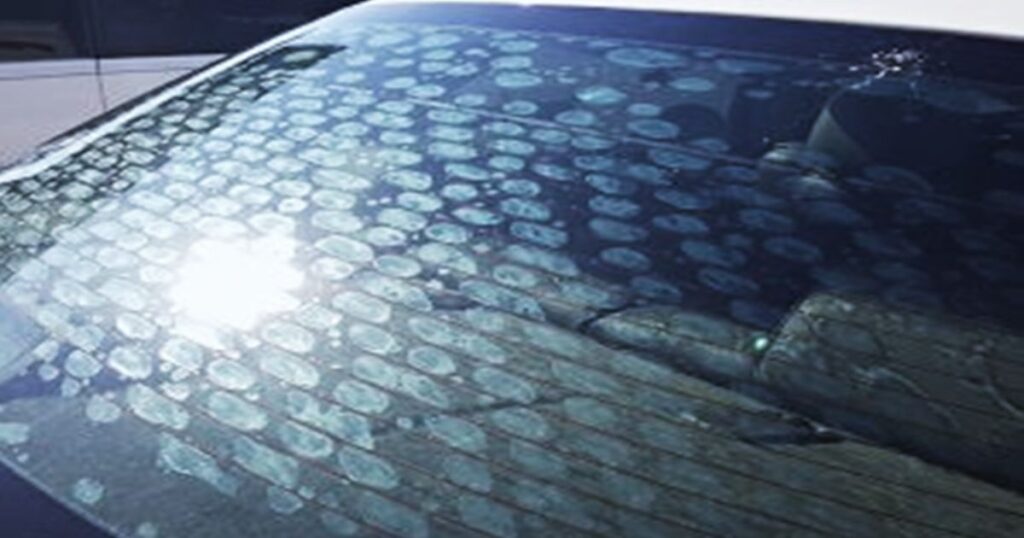
Purple tint and bubbling are two different failures with two different causes. Purple means the dye inside a cheap film has broken down under UV, leaving only red pigment behind. Bubbling means the adhesive holding the film to the glass has let go, either from contamination at installation or from heat and UV the film was not built to take. Neither is repairable and neither is normal ageing. This guide explains what each pattern tells you, how dyed, metallised and ceramic films differ, and when failing tint stops being cosmetic and starts being a roadworthy and safety problem.
What You Need to Know About Window Tint Laws in Queensland
Queensland sets a minimum of 35 per cent visible light transmittance on your front side windows and 20 per cent behind the driver, but the 20 per cent only applies if your car has a mirror on each side, and the limit is measured on the film and glass combined rather than the film alone. Factory-tinted glass changes what you can legally fit, privacy glass plays by different rules entirely, and the windscreen band is governed by your wiper sweep line rather than a flat percentage. This guide sets out each figure from the Department of Transport and Main Roads, and what an inspector actually measures.
What New Car Protection Packages Include and Why They Matter
Package is a word that hides a lot. Two quotes at the same price can contain very different amounts of work, and the difference is almost always preparation rather than products. This guide breaks a new car protection package into its line items and shows which ones get quietly skipped. The coating itself is $995, $1,395 or $1,795 depending on the product, carrying 8, 9 and 10 year warranties, with paint correction quoted separately from $100 for the first hour. You also get six questions that tell you what you are really buying before you accept a quote.
Should You Buy Ceramic Coating and Window Tint From a Car Dealership?

Usually not, and the reason is structural rather than dishonest. Paint protection is sold in the finance office because that is where margin is added, so the job is fast, uncorrected and quoted at $800 to $1,500. It is also rarely paid separately: rolled into the amount financed, a $1,200 sealant accrues interest across the whole loan term. The tint half is the sharper problem, since an unnamed film at an unspecified darkness can become a defect notice you pay to fix. This guide covers the warranty conditions to read, what to ask, and what to do if you have already signed.
Ceramic Coating Benefits, Cost and What to Realistically Expect
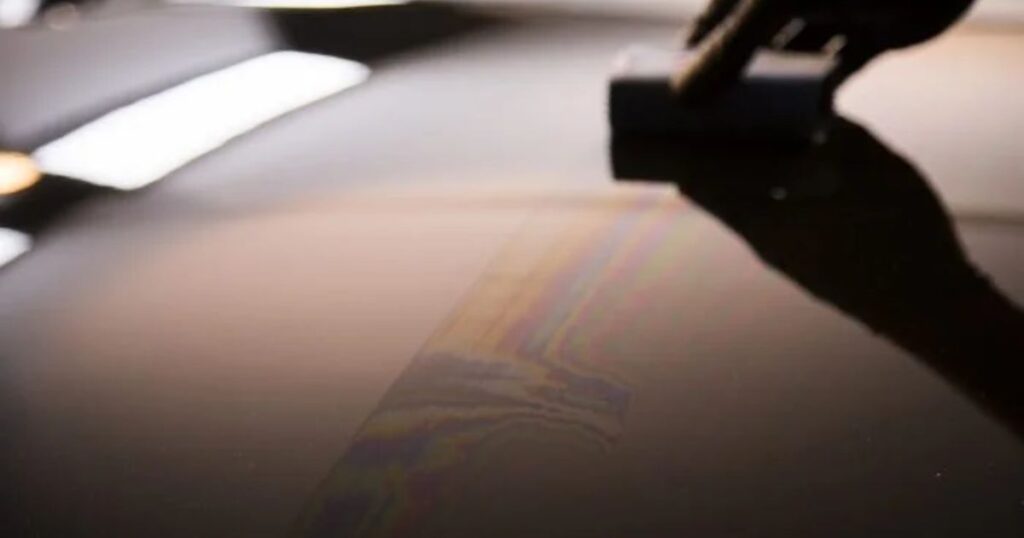
Ceramic coating on the Gold Coast starts at $995 for XPEL Fusion Plus V2 with an 8 year warranty, $1,395 for Kovalent Borophene with a 9 year warranty, and $1,795 for Kraken Graphene Titanium with a 10 year warranty. Paint correction is quoted separately from $100 for the first hour. What that money buys is UV resistance, chemical resistance and far easier washing. What it does not buy is protection from stone chips or dents. This guide sets the expectation honestly, with a year by year picture of how a coating ages and the ongoing cost most quotes leave out.