

When people research ceramic coating or window tinting, most of the conversation focuses on products. Which brand, which tier, which VLT percentage. These things matter, but they are only part of what determines the finished result. The environment where the work happens matters just as much.
Mobile car protection services have grown in popularity because of one clear advantage: convenience. The operator comes to you. You do not need to drop the car off or arrange transport. For some services, that trade-off works well. For ceramic coating and window tinting, it comes with real compromises that affect the quality and longevity of the outcome.
Ceramic coating requires the paint surface to be clean, dry, and free of contamination before application. The coating then needs to cure correctly after application. Both stages are sensitive to the surrounding environment.
Temperature affects how the coating flows, levels, and bonds to the surface. High ambient heat causes the product to cure too quickly. Cold conditions slow the process and can affect adhesion. Humidity introduces moisture into the equation, which interferes with bonding and can cause high spots, streaking, or premature curing failure.
A purpose-built studio controls all of these variables. Temperature and humidity stay within the range the product requires. The technician works in conditions that are consistent from one job to the next, which means the preparation and application process can follow the correct sequence without external factors changing the outcome.
A mobile operator works in whatever conditions exist at your driveway or car park on that day. In Queensland, that could mean intense summer heat, afternoon humidity, or gusty winds carrying airborne debris. None of those conditions are compatible with a quality ceramic coating application.
Dust is one of the most persistent enemies of a quality paint protection job. Ceramic coating bonds to whatever is on the surface at the time of application. Dust particles that settle onto paint during the process bond into the coating and create visible imperfections in the cured finish. The same applies to pollen, insects, and any other airborne contaminants present in an open environment.
Window tinting faces the same challenge. Dust trapped between the film and the glass creates bubbles and specks in the finished installation. These are impossible to remove without taking the film off and starting again. Even skilled technicians cannot prevent dust contamination when working outdoors or in semi-enclosed spaces.
A closed studio dramatically reduces airborne contamination. Clean air, controlled ventilation, and an enclosed workspace keep the surfaces and materials free of the particles that cause visible defects. The result is a coating or tint installation that looks sharp and remains consistent across the entire surface.
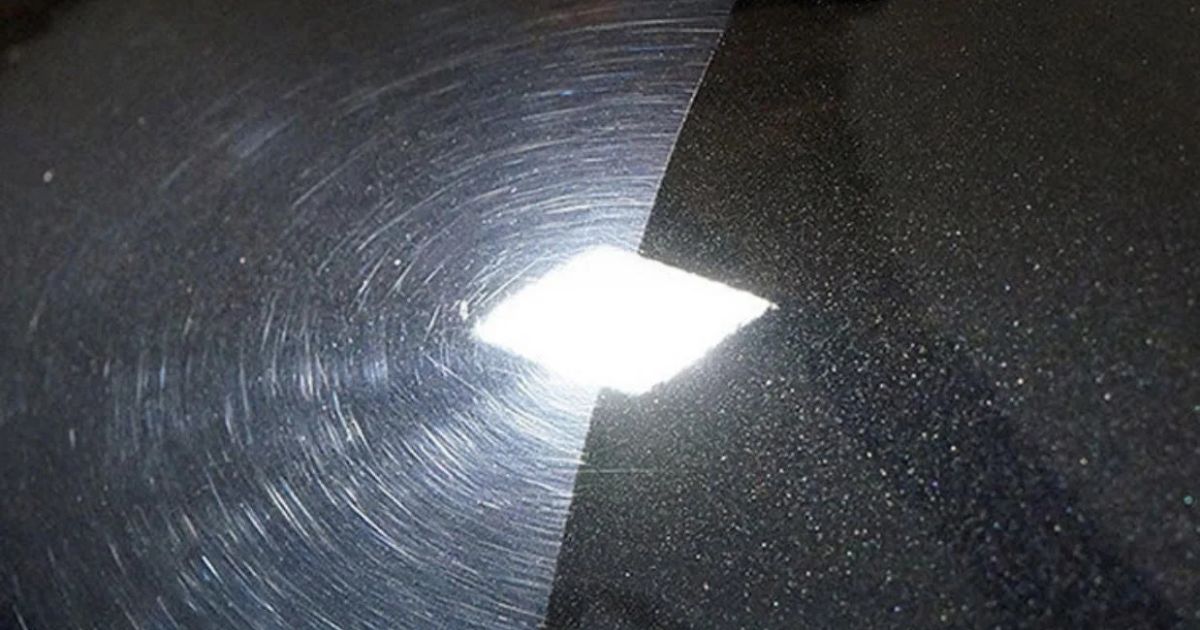
Proper lighting is a tool, not just a comfort. Technicians working under quality studio lighting can see the paint surface clearly in all angles and identify imperfections that need addressing before the coating goes on. This includes swirl marks, fine scratches, water spotting, and any contamination remaining after the initial preparation.
Mobile services operate under whatever natural light the location provides. Direct sunlight creates reflections and shadows that mask surface defects. Working under harsh midday sun or in a shaded driveway both obscure details that studio lighting makes obvious. A technician who cannot see the surface clearly cannot assess it accurately.
This matters because coating applied over a surface defect seals that defect in. The imperfection becomes a permanent feature of the finish rather than something that could have been corrected before application. Studio lighting removes the guesswork and gives the technician full visibility of what they are working with.
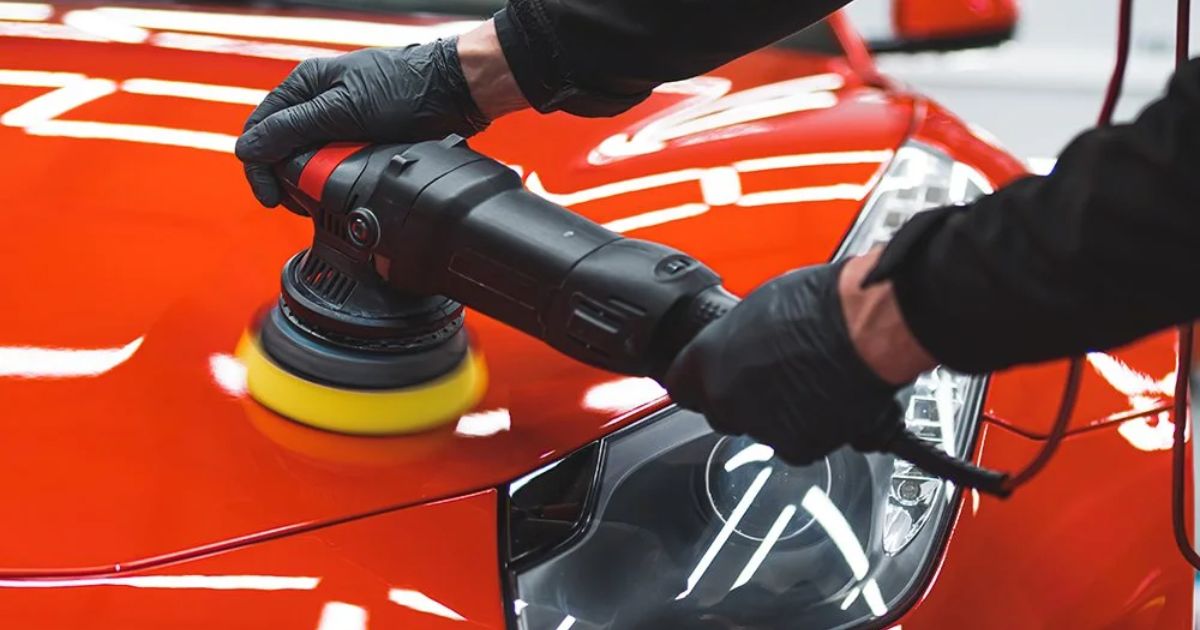
A professional studio holds the equipment required for each stage of the process. Paint decontamination tools, polishing machines, curing lamps, and film-cutting systems all take up space and require a fixed setup to use effectively. Technicians working in a studio access the right tool for each step without improvising or skipping stages due to equipment limitations.
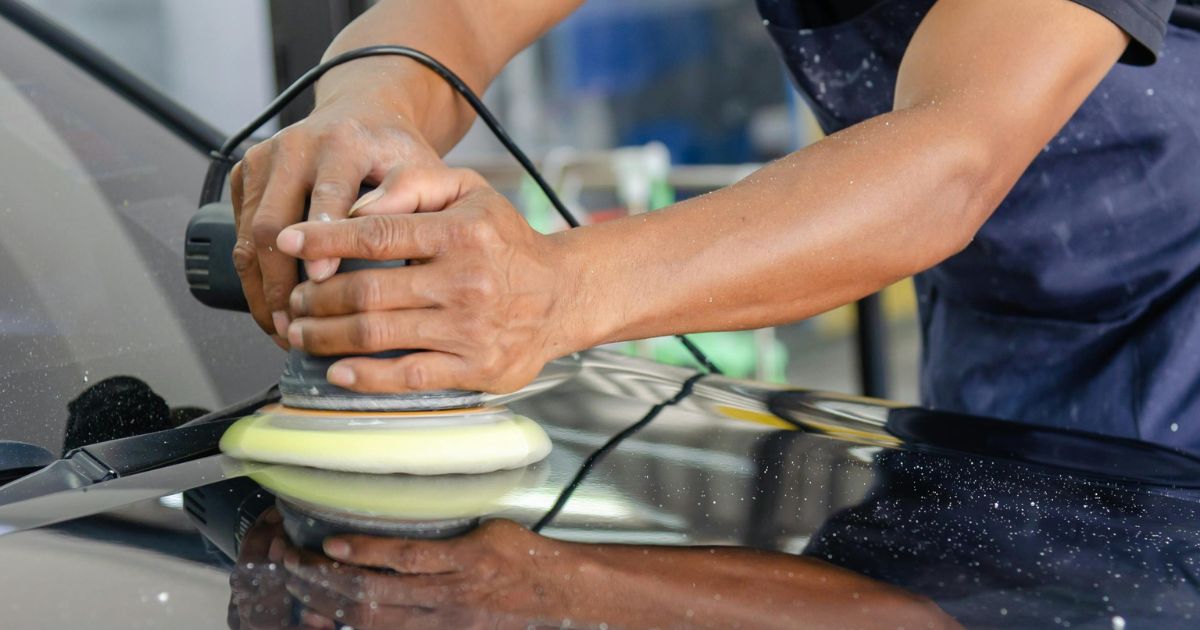
Mobile operators carry what fits in a van. The nature of mobile work limits the size and range of equipment available on each job. Paint correction before ceramic coating, for example, requires a polishing machine and the space and lighting to use it properly. This step is often skipped or reduced in mobile settings, which directly affects how well the coating bonds and how long it lasts.
Window tinting benefits from plotters and film-cutting systems that produce precise, clean cuts for each vehicle’s glass shape. A studio setup accommodates this equipment. A mobile service cuts film by hand in variable conditions, which introduces a higher margin of error in the fit and finish of each pane.
A studio produces consistent results because the variables stay constant. The same temperature, the same lighting, the same preparation process, the same equipment, applied by technicians who work in that environment every day. Consistency is what allows a studio to build a reliable standard and stand behind the quality of every job.
Mobile services introduce variability by design. Every location is different. Every day brings different weather. The conditions that produced a good result on one job may not exist on the next. A technician adapting to different environments on each job cannot deliver the same standard repeatedly in the way that a fixed studio can.
For a product like ceramic coating, where the quality of the application determines how many years the coating performs, that consistency has a direct impact on the value of the investment.
Mobile services win on convenience. There is no argument with that. Dropping a vehicle at a studio, arranging transport, and collecting it later requires more effort from the owner.
The question is what that convenience costs in terms of outcome. For a quick detail or a basic wash, mobile convenience makes complete sense. For ceramic coating or professional window tinting, where the result is expected to last several years and the preparation process is critical to achieving that, the controlled environment of a studio delivers a meaningfully better result.
Bringing the vehicle to a studio means the technician works on it in conditions designed for the job. The preparation is more thorough. The application is cleaner. The finish is more consistent. The longevity of the product is better. For most owners making that investment, those outcomes justify the extra step of dropping the car off.
The environment where ceramic coating and window tinting are applied directly affects the quality and longevity of the result. Mobile services offer convenience but expose the vehicle to variable temperature, humidity, dust, and lighting conditions that compromise preparation and application. A purpose-built studio controls all of these variables, enabling thorough preparation, clean application, and consistent results across every job. For services where the outcome is expected to last years, the controlled conditions of a studio consistently outperform what mobile operators can deliver in an open environment.
At Prestige Protection we offer superior product and premium service for all car protection services. Save up to 50% off dealership prices when you choose us.
© 2026 Prestige Protection. Web Design